

Blog
How to Reduce Friction Burns and Keep Moving

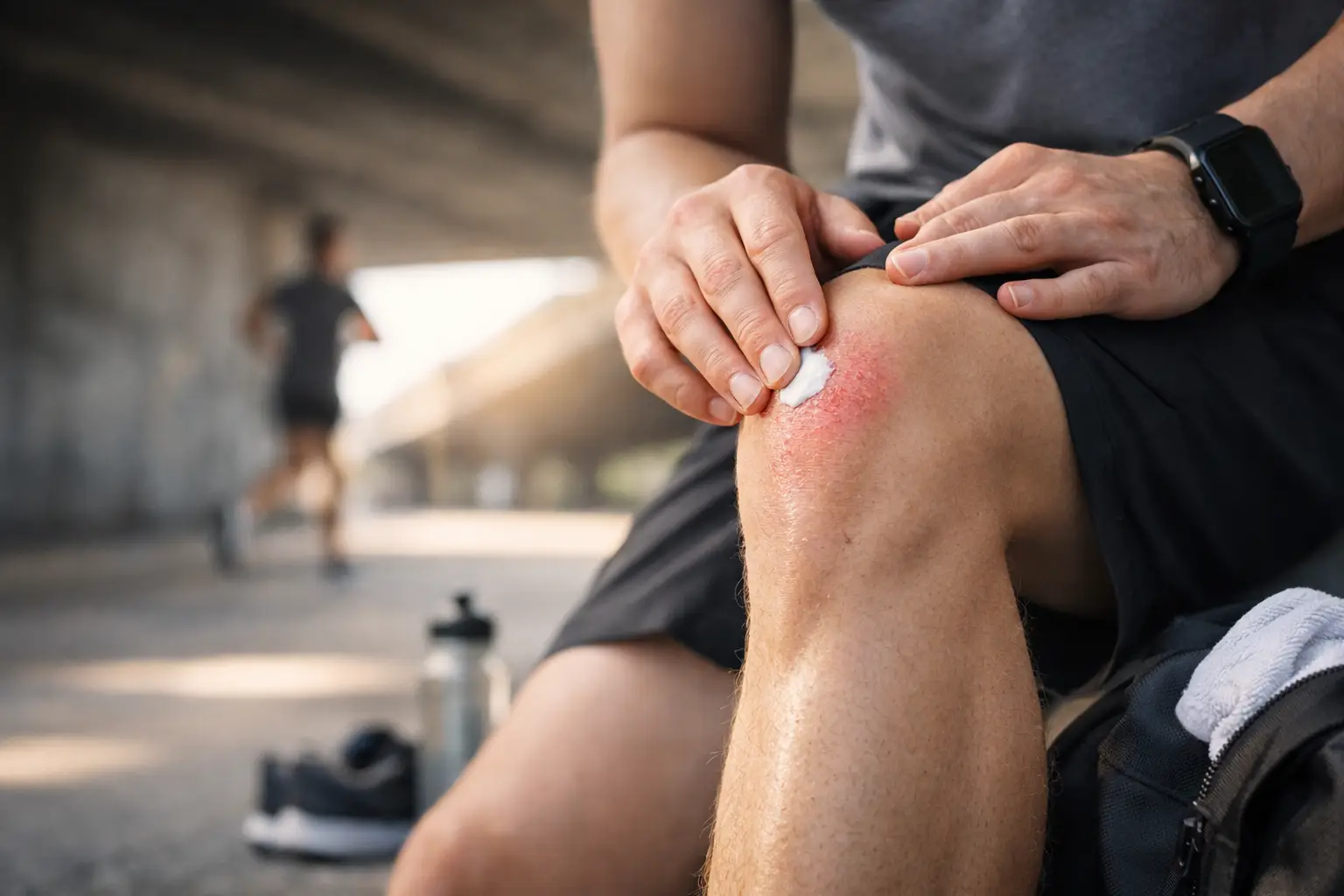
A hot patch on your inner thigh at mile three. A shoulder strap that starts to sting halfway through a hike. A blister forming beneath your sock when you are nowhere near home. Knowing how to reduce friction burns means acting before a minor rub becomes the reason you cut your session short.
Friction burns happen when skin repeatedly rubs against skin, clothing, footwear or equipment. Heat, sweat and pressure make that rubbing more aggressive, damaging the outer layer of skin until it feels sore, looks red or becomes raw. The good news is that most friction burns are preventable with a little preparation and a few smarter choices around kit, fit and skin protection.
Why friction burns happen during activity
Friction is not only a problem for endurance athletes. Runners may experience thigh chafing, nipple chafing or underarm irritation. Cyclists can deal with saddle-area discomfort, while hikers often notice rubbing at the heel, toes, hips and shoulders. Gym sessions, long shifts on your feet, warm-weather walks and travelling can all create the same issue.
Usually, more than one factor is involved. Damp fabric grips and drags rather than gliding. A loose seam repeatedly catches the same spot. Shoes that are slightly too big allow your foot to slide, while shoes that are too tight put concentrated pressure on the skin. Even a familiar route can cause trouble if the weather is hotter, your kit is new or you are going farther than usual.
The aim is not to eliminate all contact. Movement involves contact. The aim is to reduce drag, limit moisture and protect the areas that you know are likely to rub.
How to reduce friction burns before they start
The best time to deal with friction is before you are warm, sweaty and already uncomfortable. Build prevention into the same routine as filling your water bottle or lacing your shoes.
Protect your known hot spots
Think back to where rubbing normally begins. For some people, it is the inner thighs or underarms. For others, it is the bra line, waistband, heels, toes or the point where a backpack strap sits. Apply an anti-chafe balm to clean, dry skin in these areas before activity.
A good balm creates a protective layer that helps surfaces glide rather than drag. Use enough to cover the whole friction zone, not just the point that hurt last time. If you are running a marathon, hiking all day or riding in heat, take a portable stick with you and reapply when needed. Sweat, water, towel drying and long hours on the move can all reduce that protective layer.
Runglide RG Anti Chafe Balm is designed for exactly this job: practical, pocket-ready skin protection that supports comfortable movement without making your routine complicated.
Choose clothing that moves with you
The right fabric and fit can make a huge difference. For running and training, choose technical layers that move moisture away from the skin and lie flat where possible. Avoid worn-out shorts with rough inner seams, cotton socks that stay damp, or clothing that shifts as you move.
Fit matters just as much as fabric. Compression shorts can help prevent thigh-on-thigh rubbing, but only if they stay in place and do not pinch. A sports bra should feel supportive without digging in at the band or straps. For hiking, make sure pack straps are adjusted snugly enough to prevent bouncing but not so tight that they create pressure points.
There is no single perfect set-up. Some runners prefer looser shorts with a fitted liner; others feel better in longer compression styles. Test new kit on shorter sessions before trusting it on race day or a full-day trek.
Take foot friction seriously
Blisters are friction burns with a very familiar warning sign: a warm, tender spot that gets sharper with every step. Do not assume you can push through it. A small hot spot can become a painful blister quickly, especially on a descent or in wet conditions.
Start with shoes that suit your foot shape and the activity. Leave enough room for toes to move and for feet to swell on long outings, but not so much room that your heel slips. Pair them with moisture-managing socks that fit smoothly, without bunching around the toes or heel.
If you regularly get blisters, apply balm to the areas that rub before putting on your socks. Check your lacing too. Heel lock lacing can reduce slipping for some people, while loosening the lower laces may relieve pressure across the top of the foot. It depends on where the friction starts.
Manage heat and moisture
Sweat is normal. Staying in soaked clothing for hours is optional when you can plan around it. On long runs, rides and hikes, use breathable layers and carry spare socks or a dry base layer if conditions make that realistic. Change out of damp kit soon after finishing rather than sitting in it during the journey home.
In hot weather, slow down when you need to, drink regularly and expect your skin to be more vulnerable. Salt from dried sweat can make fabric feel abrasive, particularly around waistbands and underarms. A quick wipe-down and a fresh layer of balm during a longer event can be the difference between finishing comfortably and spending the final miles distracted by a burning patch.
What to do when a friction burn has already started
If you feel a sting during exercise, respond early. Continuing without changing anything may turn mild irritation into broken skin. Pause if you can, gently dry the area and apply more anti-chafe balm around the rubbing zone. Adjust the item causing the problem, whether that means changing socks, tightening a strap or smoothing a seam.
Once you are finished, rinse the affected skin with clean, lukewarm water and use a mild cleanser if needed. Pat it dry rather than rubbing with a towel. Keep the area clean and avoid tight clothing that will continue to scrape it while it settles.
For intact but irritated skin, give it a break from the activity or clothing that caused the issue until the tenderness has eased. If the skin is broken, cover it with a clean, non-stick dressing where it may rub against clothing. Avoid picking at peeling skin or popping a blister, as this increases the chance of infection.
Pain, spreading redness, heat, swelling, pus or feeling unwell are signs to seek advice from a pharmacist or healthcare professional. Get medical help promptly for a deep wound, a large blister, a burn that will not stop bleeding, or if you have diabetes, poor circulation or a condition that affects healing.
Build a friction-proof routine for big days
Long events expose small weaknesses in your routine. The shorts that feel fine for a 5K may rub after 20 kilometres. The socks that work on a dry local walk may fail during a wet mountain day. Treat training as a chance to test your entire comfort system, including shoes, layers, underwear, bag fit, nutrition and skin protection.
Before a race, sportive or trek, avoid changing everything at once. Wear proven kit, protect your usual hot spots and pack what you need for reapplication. If you are trying a new product or clothing style, use it first on an ordinary training session. Familiarity gives you one less thing to worry about when effort, weather and distance start to build.
There is also a practical confidence benefit. When you know your skin is protected, you stop checking every little sensation and focus on your pace, your route or the people beside you. That is what good preparation should give you: fewer distractions and more freedom to move.
Prevention is part of performance
Friction burns can feel like a small problem until they change how you run, walk, ride or recover. Protecting your skin is not overthinking it. It is the same sensible preparation as choosing the right shoes and bringing water.
Start with the places that usually rub, make a habit of applying protection before activity, and listen when your body gives you an early warning. A few seconds of preparation can help keep your next mile, climb or everyday walk focused on where you are going, not what is rubbing.