

Blog
How to Prevent Shoe Blisters for Good

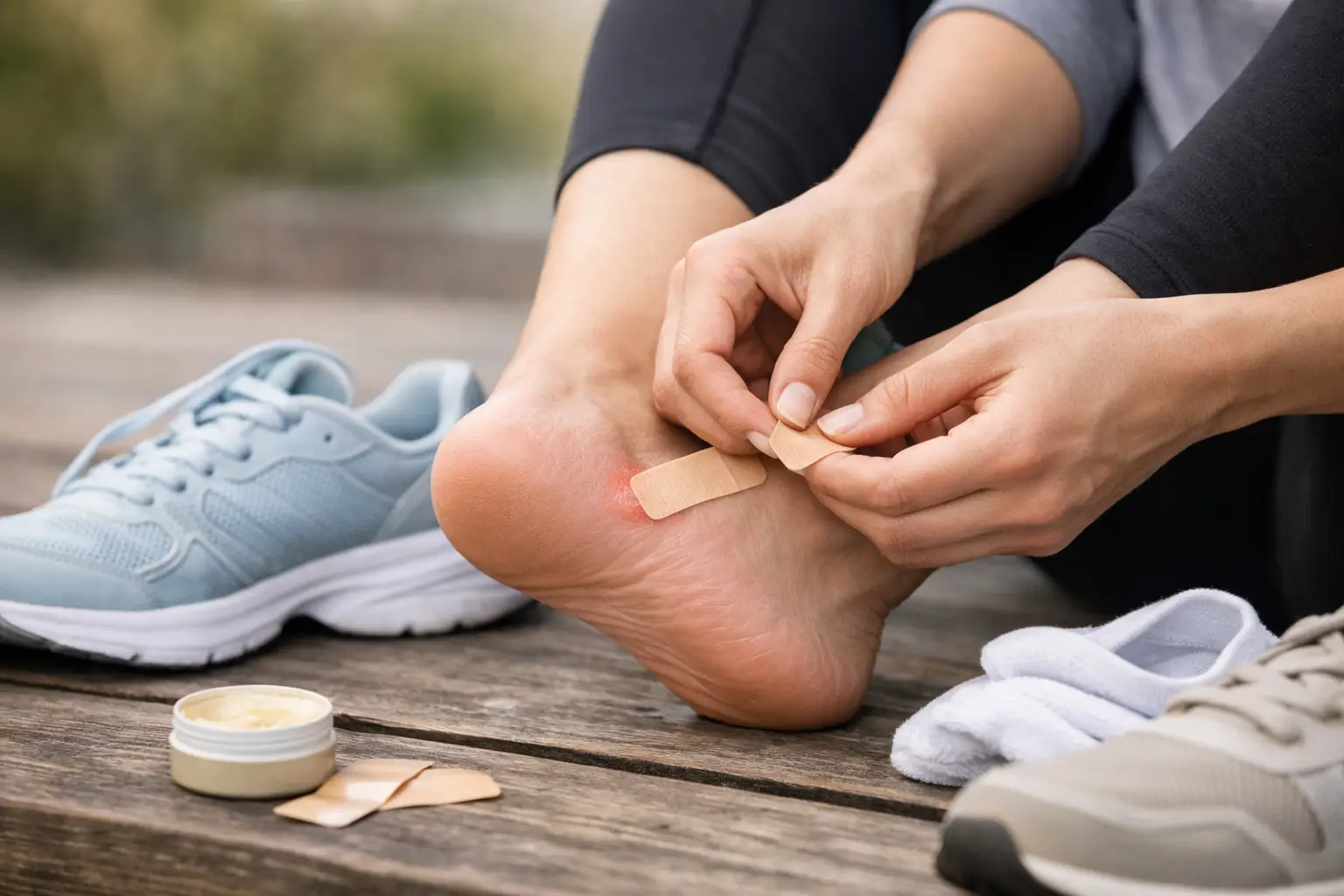
A blister can turn a solid run, a long shift or a weekend hike into a stop-start slog in minutes. If you want to know how to prevent shoe blisters, the real answer is not one magic trick. It is about reducing friction, managing moisture and making sure your shoes work with your feet rather than against them.
Most blisters happen when skin is rubbed over and over in the same spot. Add heat, sweat and a bit of movement inside the shoe, and the top layer of skin starts to separate. That is why blisters often show up on the heel, little toe, ball of the foot or arch. The good news is that prevention is usually straightforward once you know what is causing the rubbing.
How to prevent shoe blisters starts with fit
The biggest mistake people make is assuming a blister means they need to toughen up. Usually, it means the fit is off. Shoes that are too tight create pressure points. Shoes that are too loose allow your foot to slide around. Both can lead to rubbing.
A good fit should feel secure through the midfoot and heel without squeezing the forefoot. Your toes need room to spread and move naturally, especially if your feet swell during exercise. That matters even more for runners, hikers and anyone spending hours on their feet.
Try shoes on later in the day if possible, because feet often expand as the day goes on. Wear the same type of socks you plan to use during training, walking or hiking. If a shoe already rubs in the shop, it is unlikely to improve once you add miles.
There is a trade-off here. Some people like a locked-in, performance-focused feel, while others prefer more toe room. Neither is automatically right. The best shoe is the one that holds your foot securely without creating hot spots.
Heel slip is often the real culprit
If you keep getting blisters on the back of your heel, look at movement first. Even a small amount of heel lift can create enough repeated friction to irritate the skin.
Sometimes the fix is simple: adjust your lacing so the heel is held more firmly. Sometimes it means the shoe shape just does not suit your foot. Stiff heel counters, low-cut uppers and certain sock materials can make the issue worse.
Moisture makes friction worse
Dry skin is not always the goal. What you really want is controlled friction. Sweat softens the skin and makes it more vulnerable to rubbing, which is why blisters are more common in hot weather, during hard sessions and on long days out.
This is where socks matter more than most people think. Cotton tends to hold moisture, and once it gets damp it can bunch and rub. Technical socks made for running, hiking or training usually do a better job of moving sweat away from the skin. A snug fit helps too, because wrinkles in the fabric can create pressure and friction in all the wrong places.
If your feet run hot, it may be worth changing socks during a long event or walk. It sounds minor, but a fresh dry pair can make a noticeable difference. The same goes for letting shoes dry fully between sessions. Damp shoes are not just uncomfortable. They can set you up for the same problem again tomorrow.
Thin or thick socks?
It depends on the shoe. Thicker socks can add cushioning and reduce rubbing in some pairs, especially hiking boots. In tighter shoes, though, extra bulk can increase pressure and make blisters more likely.
That is why there is no universal best sock. Test your setup on shorter efforts before trusting it on race day, a long hike or a full day of travelling.
Friction control is the part most people skip
If you are serious about how to prevent shoe blisters, you need to think beyond shoes and socks. Friction-reducing products can help create a protective barrier on high-risk areas before rubbing starts.
This is especially useful if you already know your trouble spots. Maybe it is the heel on every run, the side of the big toe in certain trainers, or the ball of the foot during long walks. Applying an anti-friction balm before activity can help the skin move more comfortably instead of catching with every step.
For active people, this is often the difference between hoping for the best and having a proper routine. A portable anti-chafe balm like Runglide makes sense because it is easy to apply before training, races, hikes or everyday wear when you know friction is likely.
That said, balm is not a fix for a truly bad shoe fit. Think of it as support for a good setup, not a replacement for one.
Break shoes in without wrecking your feet
New shoes are a common blister trigger, even when they seem to fit well. Materials are stiffer, pressure points are not obvious yet, and your feet have not adapted to the way the shoe moves.
The smart approach is gradual. Wear new shoes for shorter outings first. If you are planning a long run, trek or event, do not make brand-new footwear part of the experiment. Give yourself time to spot any rubbing early and adjust before it turns into damaged skin.
Some shoes need very little breaking in, while others soften over time. If a pair feels aggressively stiff around the heel, toe box or arch from day one, pay attention. Not every shoe improves enough to justify the discomfort.
Watch for hot spots, not just blisters
A hot spot is your early warning sign. It is the area that feels warm, irritated or slightly raw before a blister forms. That is the moment to act.
Stop if you can. Adjust your sock, relace the shoe, dry the area or apply friction protection. Waiting until the skin is already damaged usually means the rest of the day becomes about managing pain rather than enjoying the activity.
Small adjustments can solve stubborn problems
If blisters keep happening in the same place, something specific is usually going on. It may be a seam inside the shoe, a rough insole edge, a sock crease or a lacing pattern that pushes your foot forward.
This is where a bit of trial and error helps. Different lacing techniques can reduce heel slip or pressure over the top of the foot. Insoles can improve foot stability in some shoes, though they can also change fit and volume. For hikers, small changes in boot lockdown can have a bigger effect than expected over several hours.
Toenails matter too. Nails that are too long can press into the shoe and change how your toes sit, which sometimes leads to rubbing on the tips or sides. It is not glamorous advice, but it works.
Some feet need more prevention than others
Not everyone gets blisters at the same rate. Foot shape, sweat levels, skin sensitivity and activity type all play a part. Long-distance runners, hikers and people working on their feet often need a more deliberate prevention routine because the volume of movement is simply higher.
If you have bunions, prominent toe joints, high arches or very narrow heels, you may be more likely to develop repeat friction points. That does not mean you are stuck with blisters. It just means your setup needs to be more personalised.
For some people, that may mean choosing shoes with a wider forefoot. For others, it means targeted friction protection before every long effort. The goal is not perfection. The goal is consistency, because friction problems tend to respond best to simple habits done every time.
What to do before a run, hike or long day out
Good blister prevention should feel easy enough to repeat. Start with footwear that fits the activity and your foot shape. Put on clean, well-fitting technical socks. Apply friction protection to the places that usually rub. Then pay attention in the first few minutes, because early discomfort nearly always tells you something useful.
If you are heading out for longer, pack a backup plan. That could mean spare socks or a way to protect a hot spot if one starts to develop. It is a lot easier to prevent skin damage than to push through it.
Blisters are not a badge of effort. They are friction, heat and moisture getting the upper hand. Once you build a smarter routine around fit, fabric and skin protection, your feet stop being the thing that holds you back – and that means more comfortable miles, more confidence and fewer excuses to cut the day short.
The best prevention is the one you will actually use every time, so make it simple, make it reliable and give your feet the support they need to keep moving.