

Blog
Triathlon Skin Protection for Every Race Day

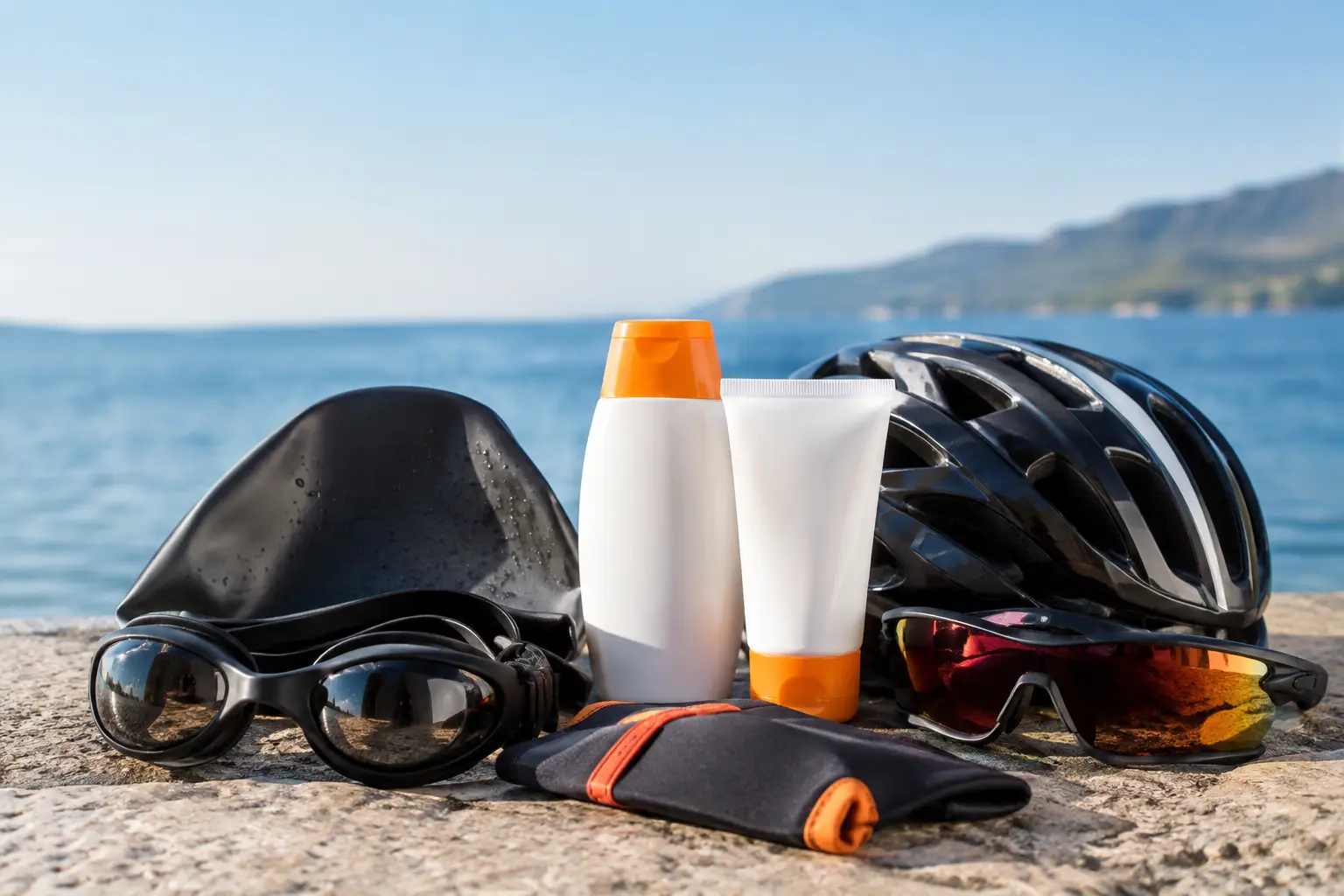
A triathlon can expose your skin to more in a few hours than an ordinary week of training: chlorinated or open water, a damp trisuit, saddle pressure, salt, heat and thousands of repeated running strides. Effective triathlon skin protection is not about adding another complicated ritual. It is about dealing with the small friction points before they become the reason your race gets harder than it needs to be.
The goal is simple: arrive at the run with your skin intact, your focus clear and no surprise sting every time your kit moves. A little preparation can feel like invisible armour when the miles begin to stack up.
Triathlon skin protection starts with friction
Most race-day skin problems are not caused by one dramatic moment. They build gradually. Skin rubs against skin, fabric holds moisture, a shoe shifts slightly, or a saddle presses in the same place for long enough. Once the outer layer of skin is irritated, heat, sweat and movement accelerate the damage.
This is why the areas you protect matter more than applying something everywhere. Think about your personal pressure points. For many triathletes, these include inner thighs, underarms, around sports bra seams, the groin area, toes, heels, the arches of the feet and beneath a watch or heart-rate strap. Cyclists may also need extra attention where shorts and saddle meet, while swimmers can experience neck chafing from a wetsuit collar.
Your history is useful here. If a spot has rubbed during a long brick session, assume it can rub during a race. Race pace, nerves and weather rarely make a known issue disappear.
Apply protection before the skin feels sore
Anti-chafe balm works best as prevention, not rescue. Apply it to clean, dry skin before putting on your trisuit or wetsuit. Cover the area likely to experience rubbing with a light, even layer, rather than one heavy patch that could transfer onto kit.
A portable stick makes this quick at transition or before a long training session. Runglide RG Anti Chafe Balm is designed for exactly this kind of targeted application, helping create a barrier where friction is most likely without relying on petroleum or oils.
For longer events, pack your strategy around your race format. A sprint triathlon may only require one careful application beforehand. For an Olympic-distance, 70.3 or full-distance event, you may benefit from keeping a small balm stick in transition or special-needs kit where race rules and logistics allow. The point is not to overdo it. It is to reapply before persistent rubbing starts.
Protect the swim-to-bike transition zone
The swim creates a unique challenge: your body is wet, your suit may be snug, and your skin has already been exposed to salt or pool chemicals before you reach the bike. A wetsuit can rub the neck, underarms and shoulders, particularly if its fit is too loose in one area or restrictive in another.
Use a friction barrier around the neckline and underarms before the swim, but test it in training first. Some products can affect how easily a wetsuit slides on or how it feels against certain fabrics. The right approach depends on the suit, the water temperature and how long you will be swimming.
After open-water swimming, avoid leaving saltwater sitting on your skin any longer than necessary. A quick rinse at an event is not always possible, but drying yourself reasonably well in transition can reduce the combination of grit, moisture and rubbing under your cycling kit. If you race in a trisuit throughout, make sure you have trained in that exact suit after a swim. A comfortable fit when dry can feel very different once soaked.
On the bike, fit matters as much as balm
No skin product can fully compensate for poorly fitted shorts, a worn chamois or a saddle that does not suit your position. If you repeatedly develop saddle sores, numbness or broken skin, treat that as a fit problem worth investigating, not simply a reason to apply more product.
That said, friction protection can make a meaningful difference on long rides. Sweat and movement can cause chafing at the inner thigh, groin and waistband, while a poorly placed seam may rub the same line with every pedal stroke. Apply balm where your shorts create friction and choose clean, well-fitting kit for every key session and race.
Never wear unwashed cycling shorts for a second hard ride. Bacteria, old sweat and residue can aggravate already stressed skin. After training, change out of damp kit promptly and wash gently. This is unglamorous advice, but it is one of the best ways to keep small irritation from becoming a problem that disrupts your next session.
Save your feet for the run
Foot blisters can turn a strong run into a negotiation with every step. They usually start with a mix of heat, moisture, friction and movement inside the shoe. The solution is rarely just one thing. Your socks, shoe fit, lacing, toenail care and foot protection all play a part.
Train in the socks you plan to race in. Test whether you prefer thin technical socks, a slightly more cushioned option, or no socks at all. Going sockless can save time in transition, but it raises the need for a shoe setup you have tested repeatedly in wet conditions. A choice that feels fine for a 20-minute run may not work after a bike leg.
Before the race, apply anti-chafe balm to known hot spots such as heels, toes, bunions and the sides of the forefoot. Avoid coating the whole foot so heavily that it feels slippery in the shoe. If you are prone to blisters between your toes, give that area particular attention and make sure your shoes have enough room in the toe box for feet that may swell during a warm event.
Keep toenails trimmed straight and not too short. A jagged edge can catch on a sock, while nails that are too long can create pressure on descents and during the run. Small details are often what decide whether your feet are still an asset in the final kilometres.
Do not forget sun, salt and recovery
Triathlon skin protection also means protecting exposed skin from the elements. Use a broad-spectrum, water-resistant sunscreen that suits the conditions and apply it early enough to set before the start. Cover shoulders, back, ears, the back of the neck, calves and the tops of your thighs if they are exposed. A race belt, sleeveless suit or changing weather can leave unexpected areas vulnerable.
You may need to reapply for long races, especially after a swim or in intense heat. But sunscreen and anti-chafe balm do different jobs. Sunscreen helps defend against UV exposure; a friction barrier helps reduce rubbing. Use both where needed, and test the combination in training so you know how your skin and kit respond.
After the finish, rinse off salt, chlorine and sweat as soon as practical. Pat irritated areas dry rather than scrubbing them with a towel, then change into loose, clean clothing. If skin is raw, broken, blistered badly or looks infected, give it time to recover and seek professional advice when needed. Pushing through a minor hot spot can be brave; pushing through damaged skin can cost you days or weeks of comfortable training.
Build your routine before race week
The most reliable race-day routine is the one you have already used on long swims, rides and brick sessions. Do not introduce a new balm, a different pair of socks or unfamiliar kit the night before your A race. Your skin is individual, and the only useful test is how it behaves under your own sweat, pace and movement.
Lay out your kit with your protection plan in mind. Put sunscreen where you will see it, keep your anti-chafe balm with transition essentials, and identify the few areas that deserve attention. This takes minutes, yet it removes a common source of discomfort from a day you have trained hard to enjoy.
Your race does not need extra obstacles. Protect the skin that carries you through the swim, bike and run, then spend your energy where it belongs: moving forward with confidence.