

Blog
How to Stop Armpit Chafing During Exercise

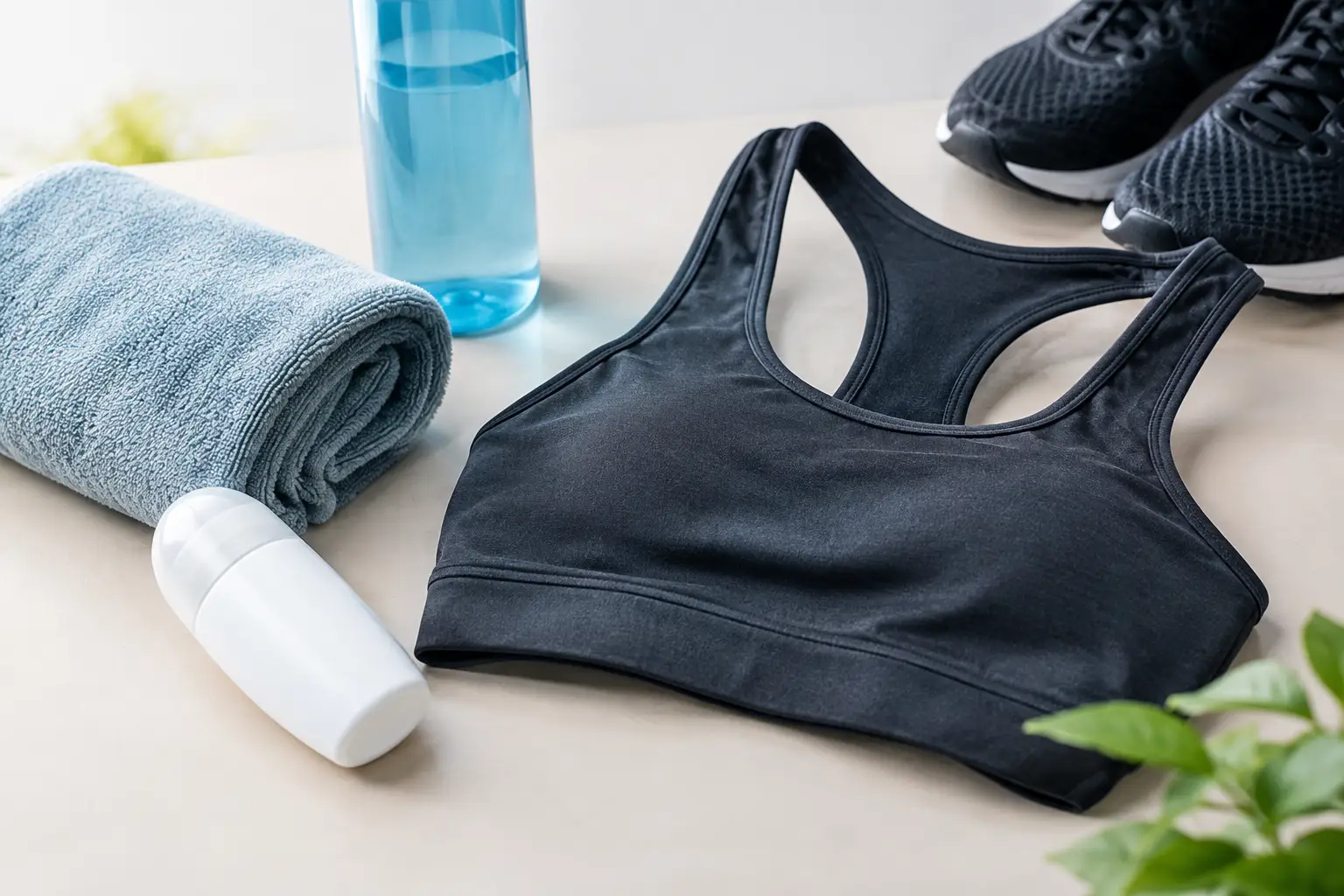
That sharp, burning patch under your arm can turn an enjoyable run, a long walk or a gym session into something you simply want to finish. The good news is that learning how to stop armpit chafing is usually less about changing your training and more about managing the friction, sweat and fabric that cause it.
Armpit chafing is common, whether you are building towards a race, hiking on holiday, commuting by bike or just moving more in warm weather. It is not a sign that you are doing anything wrong. It is your skin telling you that repeated rubbing has broken down its protective barrier. Deal with the cause early and you can keep moving with far more comfort.
Why armpit chafing happens
Chafing occurs when skin repeatedly rubs against skin, clothing or a seam. Under the arms, that friction builds quickly because your arms swing constantly as you walk, run, lift or cycle. Add warmth and sweat, and the skin becomes softer, saltier and more vulnerable to irritation.
A loose vest that shifts with every stride can be as troublesome as a tight top with rough seams. Backpack straps, poorly fitted sports bras and armholes that sit too close to the skin can all create a rubbing point. Even a favourite running top may start causing problems after many washes, when its fabric becomes rougher or loses its shape.
Hair removal can also make the area more sensitive for a day or two. Freshly shaved skin has less protection from friction, and fragranced deodorants may sting if the skin is already irritated. The answer is not always one thing. It is often a combination of better kit, a protective barrier and a few small routine changes.
How to stop armpit chafing before it starts
Prevention works best when you apply it before the first mile, first hill or first set. Once skin is raw, every movement can keep reopening the irritation. Treat your underarms as a friction hotspot in the same way you would protect your feet from blisters.
Start with a friction barrier
An anti-chafe balm creates a smooth layer between your skin and the source of rubbing. Apply it directly to clean, dry skin under the arms before activity, covering the areas where your arm or clothing usually catches. Do not wait until you feel the first twinge – by then, the skin may already be stressed.
A stick format makes this quick and mess-free. Keep one in your running belt, gym bag or hiking pack so you can reapply during long events, hot days or multi-hour walks. Runglide RG Anti Chafe Balm is designed for exactly this kind of practical protection: portable, cruelty-free and made to help reduce friction without relying on petroleum or oils.
How often you need to reapply depends on the conditions. For a short, easy session in cool weather, one application may be enough. For a marathon, a humid hike, a long-distance cycle or a day of travelling, take it with you and top up if sweat, rain or repeated rubbing starts to break down the barrier.
Choose clothing that stays put
The best anti-chafe top is not always the lightest or tightest one. Look for a fit that allows your shoulders to move without fabric bunching under the arms. Flat seams, soft technical fabrics and well-finished armholes can make a real difference.
Test new kit on a shorter session before relying on it for race day or a big hiking weekend. A top that feels perfect while standing in a changing room can rub after an hour of arm swing and sweat. If one particular shirt causes chafing repeatedly, retire it from longer workouts rather than hoping it will improve.
For runners, a close-fitting technical tee or vest can reduce movement compared with a loose cotton shirt. Cotton is not automatically bad, but it holds moisture for longer, which can increase rubbing during sweaty sessions. In cooler conditions, make sure layers do not shift against each other around the armholes.
Sports bras deserve the same attention. A bra that rides up, has rough edging or fits too tightly at the sides can cause painful underarm friction. The right style varies by body shape and activity, so judge it by how it feels after sustained movement, not just by the label size.
Manage sweat without irritating your skin
Sweat is natural, but staying in damp clothing for hours gives friction more time to do damage. Wear breathable layers suited to the weather, and change out of wet kit promptly after training. If you are doing an event with stops or aid stations, use them as a chance to check any developing hotspots.
Deodorant and antiperspirant can help you feel fresh, but they are not anti-chafe products. Some formulas contain alcohol, fragrance or active ingredients that sting on broken skin. If you are prone to irritation, test a gentler product during everyday use and avoid applying it immediately after shaving.
Small habits that make a big difference
Armpit chafing is easier to prevent when you notice your personal pattern. Perhaps it only happens on long runs, when carrying a pack, after shaving, or in one particular top. Once you know the trigger, you can prepare for it rather than limiting your activity around it.
Before a longer session, take a minute to run through a simple friction check:
- Apply a barrier to underarms and any other known rubbing points.
- Choose clean, dry kit with no stiff seams or worn edges.
- Adjust backpack or hydration-vest straps so they do not pull fabric into the armpit.
- Pack a small stick of balm for longer, warmer or wetter days.
This is not over-preparation. It is the same sensible approach as checking your laces or bringing water. When comfort is handled in advance, you can focus on pace, scenery, strength or simply enjoying the time outside.
What to do when your armpits are already chafed
If chafing has already started, pause the rubbing where possible. Gently rinse the area with lukewarm water and a mild cleanser, then pat it dry rather than rubbing it with a towel. Loose, breathable clothing will usually feel better while the skin settles.
Avoid shaving, exfoliating, heavily fragranced products and intense workouts that will immediately rub the same spot again. A protective barrier may help prevent further friction once the skin is not open or weeping, but do not apply products that burn or worsen the irritation.
Give the area time to recover. Minor chafing often improves within a few days when you remove the cause and keep the skin clean and dry. If the skin is badly broken, increasingly painful, hot, swollen, oozing, or shows signs of infection, seek advice from a pharmacist or healthcare professional. The same applies if a rash persists, as not every underarm irritation is caused by friction.
Do not let one bad session dictate your routine
It can be tempting to stop running, walking or training after a painful episode. Usually, though, the smarter move is to identify what changed. Was it a new vest? A hotter day? A longer route? A backpack strap? The solution may be as straightforward as switching one layer and applying protection before you set off.
From Newry to trails and training routes around the world, active people face the same basic challenge: skin and fabric can only tolerate so much repeated friction. Build anti-chafe protection into your routine, and your underarms no longer need to be the reason you cut a good session short. Your movement should feel like freedom, not something to endure.