

Blog
Women’s Friction Balm for Chafe-Free Movement

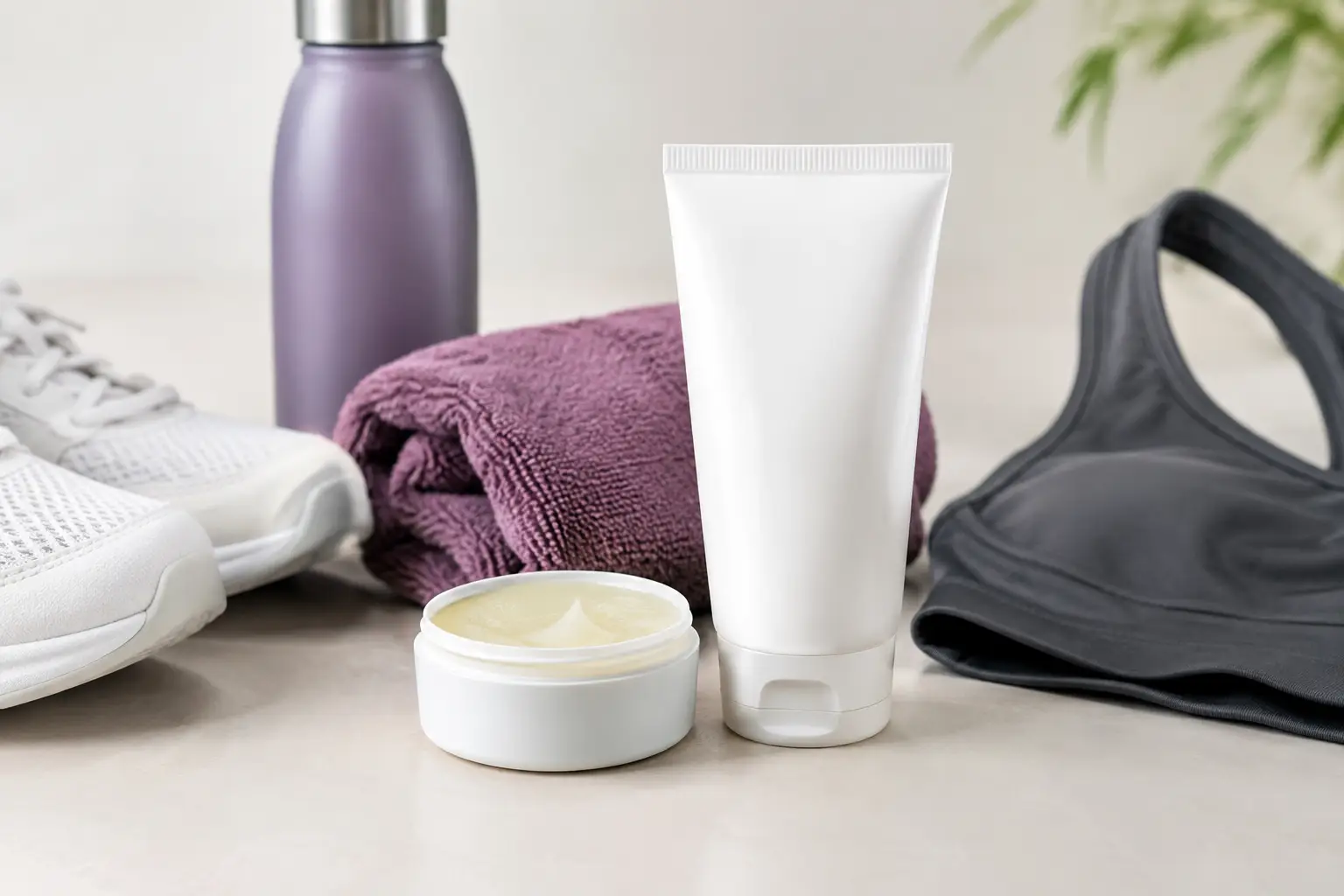
The run can be going brilliantly, your walking route can be exactly what you needed, and then one small area starts to sting. A women’s friction balm is made for that moment before it happens – creating a protective barrier where skin, fabric, footwear or kit repeatedly rubs. It is simple preparation, but it can make the difference between cutting a session short and moving with confidence.
Chafing is not a sign that you are unfit, inexperienced or wearing the wrong size. It happens to runners, hikers, cyclists, gym-goers and people heading out for a long day of travelling. Heat, sweat, distance and repeated movement all add up. The answer is not to hold back. It is to give your skin the support it needs to keep going.
What is women’s friction balm?
Friction balm is a solid, portable skin-protection product applied directly to areas prone to rubbing. It helps skin and surfaces glide rather than catch, reducing the friction that can lead to soreness, redness, hot spots and blisters.
For women, common friction points often include the inner thighs, under the bra line, beneath the bust, around sports-bra seams, underarms, feet and the back of the heel. The right application points depend on your body, clothing and activity. A fitted running short may solve one issue while creating a little rubbing at the waistband; a new pair of hiking boots may feel perfect until the second hour on the trail.
A women-specific balm can be a useful choice when you prefer a formula designed with women’s everyday movement in mind. But the biggest factor is finding a balm that feels comfortable on your skin, applies cleanly and stays put through the activity you actually do.
Why chafing happens when you move
Chafing begins with repetition. Skin-on-skin contact, a damp seam or the edge of a sock may not seem significant at first, but thousands of repeated movements can quickly irritate the surface of the skin. Add moisture from sweat, rain or humidity and the area becomes more vulnerable.
Long runs and rides are obvious triggers, but chafing is not reserved for endurance sport. A warm commute, a full day sightseeing, a beach walk, a strength session or wearing a dress in summer can all create the same problem. This is why prevention is more useful than waiting for soreness to develop. Once skin is broken or inflamed, even ordinary movement can feel uncomfortable.
Friction balm acts as invisible armour. It does not change how hard you train or ask you to avoid the clothes you enjoy wearing. It simply reduces the rubbing at the points where your body needs extra protection.
Where to apply friction balm
Apply balm to clean, dry skin before you begin moving. Use a light, even layer over the whole area that is likely to rub, not just one small point. If you know a certain spot flares up after a few kilometres, treat it from the start.
For running and walking, inner thighs, underarms, bra lines, waistbands and toes are common places to check. Hikers may also apply it around the heel, sides of the feet and anywhere a backpack or clothing seam repeatedly moves against the body. Cyclists often focus on inner thighs and areas affected by shorts, seams and saddle contact.
Foot care deserves special attention. Blisters can begin as a tiny hot spot, then become the thing you notice with every step. Apply balm before putting on socks, paying attention to heels, toes and the sides of the foot if those are your usual pressure points. Pair it with socks and shoes that fit well. Balm helps manage friction, but it cannot fully compensate for footwear that is too tight, too loose or unsuitable for the distance.
Choosing a balm that works in real life
The best friction balm is one you will actually use before a run, pack for a weekend away and keep close for active days. A stick format is practical because it allows direct, no-fuss application without messy hands. It can live in a kit bag, gym locker, desk drawer or hand luggage, ready when conditions change.
Look for a product that forms a dependable barrier without leaving you feeling greasy or uncomfortable. Some people prefer to avoid petroleum-based products or heavy oils, particularly when applying balm near technical clothing or wearing it frequently. A cruelty-free formula with thoughtfully selected ingredients can also matter when you want performance care to align with your personal choices.
There is a trade-off to consider. Very light products may feel barely there but need reapplication on an especially hot, wet or long day. A more substantial balm may offer longer-lasting protection but feel richer on the skin. Test your choice during a shorter session before relying on it for race day, a full-day hike or a long ride.
How to make your protection last
Applying balm is only one part of a smart anti-chafe routine. Start with dry skin and give extra attention to the areas that have caused trouble before. Do not wait until you feel rubbing. By then, friction has already started to irritate the skin.
Your clothing matters too. Choose kit that fits your activity and has seams positioned away from your sensitive areas where possible. Wash sports bras, shorts, socks and base layers regularly, as dried sweat and worn fibres can become more abrasive. For longer efforts, carry your balm so you can top up when changing clothes, after a swim or when the weather turns warmer.
Hydration can play a role as well. Sweating is normal and necessary, but prolonged dampness can increase friction. Breathable fabrics, dry socks and a chance to change out of wet kit all help. Think of your balm as one reliable layer in a wider comfort strategy, not a replacement for well-fitting gear.
Everyday comfort counts too
There is no need to save friction protection for a start line. Many women use it for summer dresses, holidays, festivals, workdays spent on their feet and long travel days. If thigh chafing makes you plan your outfit around discomfort, a quick application can give you more freedom to wear what you want and go where you want.
It is also useful when you are rebuilding your routine. Perhaps you are returning to exercise after time away, increasing your walking mileage, training for your first 10K or simply deciding that more movement belongs in your week. Skin irritation is a small problem with an outsized ability to disrupt momentum. Remove that barrier early and it is easier to stay consistent.
Runglide RG Anti Chafe Balm was created for exactly this purpose: targeted, portable protection that supports active people without making the routine complicated. From Newry to routes, trails and city streets worldwide, the goal is the same – help you move without friction getting in the way.
A few sensible skin-care precautions
Friction balm is intended for prevention, so avoid applying it to broken, severely irritated or infected skin. If an area is already sore, give it time to recover, keep it clean and reduce the rubbing that caused the problem. Stop using any product that causes discomfort or a reaction.
For a new balm, a small patch test is a sensible precaution if you have sensitive skin or known ingredient sensitivities. Persistent rashes, swelling, significant pain or blisters that show signs of infection deserve advice from a pharmacist or healthcare professional.
Comfort is not a luxury extra for active life. It is part of showing up, putting one foot in front of the other and trusting your body to carry you through the miles. Keep a women’s friction balm close, apply it before the rubbing begins, and give your next walk, workout or adventure one less reason to slow down.