

Blog
Can Body Balm Mark Clothing? What to Know

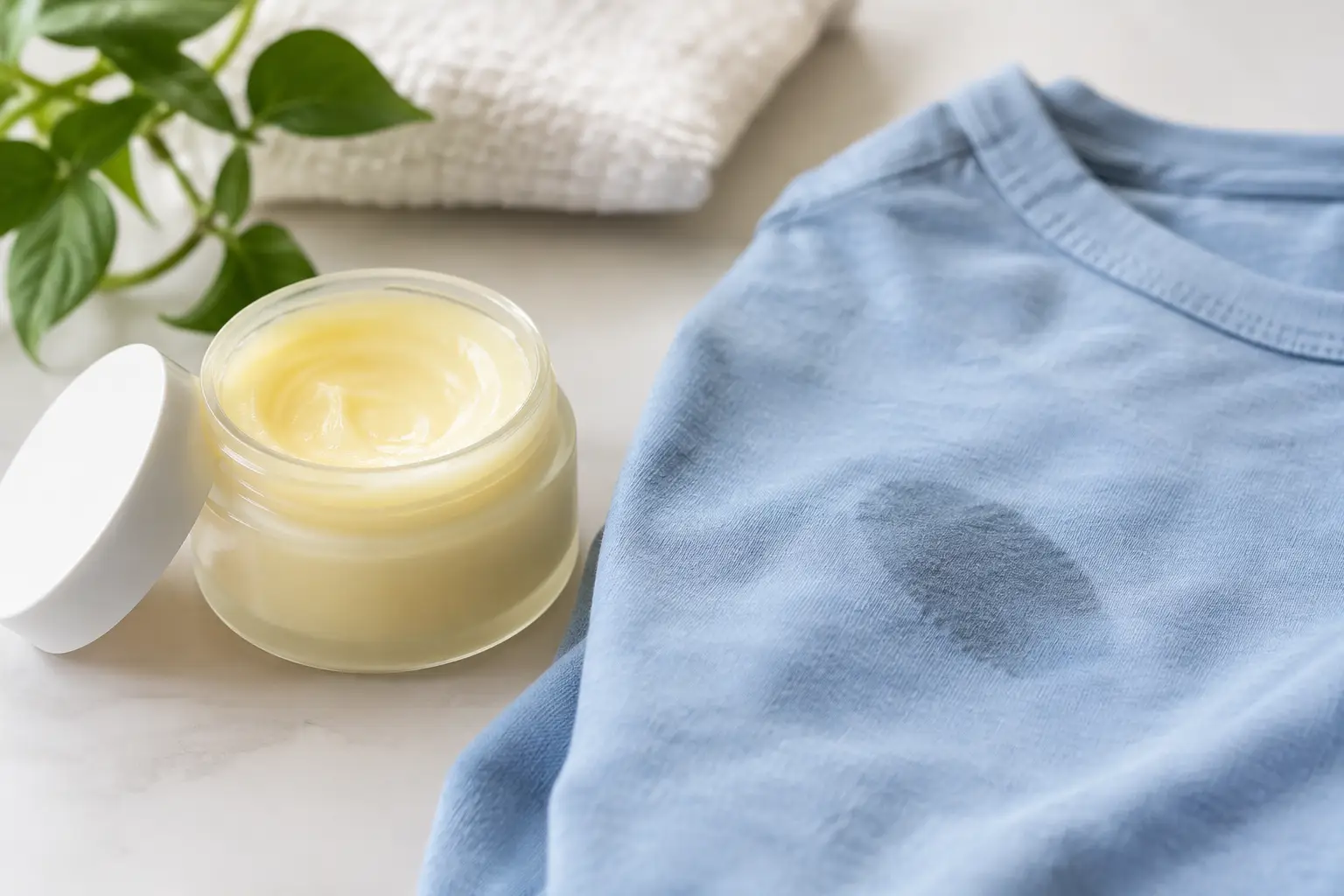
A fresh pair of running shorts, a light-coloured cycling top, and a long session ahead should not come with a worry about laundry. So, can body balm mark clothing? Yes, it can – but whether it does depends on the formula, how much you apply, the fabric you wear and what happens once heat, sweat and movement enter the picture.
The good news is that a little know-how goes a long way. The right anti-chafe balm should help you move freely without leaving you checking your kit after every run, hike or gym session.
Can Body Balm Mark Clothing?
Any product designed to create a barrier between skin, fabric or skin-on-skin contact has the potential to transfer. Balms are often made with waxes, butters or emollient ingredients that sit on the skin long enough to reduce friction. That is exactly what makes them useful on inner thighs, underarms, feet, bra lines and anywhere rubbing threatens to slow you down.
Transfer is more likely when the balm is applied too generously, when clothing is pulled on immediately, or when the garment is tight enough to press repeatedly against the area. Warm weather and endurance sessions can add another layer: body heat softens product, while sweat and constant movement create more contact with the fabric.
A faint mark does not automatically mean a balm is poor quality. It can simply mean there is more product on the skin than the situation requires. Equally, a formula that feels greasy from the start is more likely to migrate than one made for active movement.
Why Some Balms Leave More Residue Than Others
The ingredient profile matters. Heavy, oily products can soak into certain fibres and leave a darker-looking patch, particularly on pale cotton, technical white tops or delicate fabrics. Petroleum-based ointments may be especially difficult to remove because they are designed to be highly occlusive.
Fabric makes a real difference too. Natural fibres such as cotton are absorbent, so they can show a temporary oily-looking mark more readily. Smooth synthetic activewear may resist absorption initially, but close-fitting leggings, shorts and sports bras can transfer balm through pressure. Dark fabrics tend to hide marks better, although residue can still affect how a garment feels or washes over time.
Colour is not the whole story. A pale cream balm may be invisible on black leggings but show on a bright technical vest. Meanwhile, a clear balm can still leave a darker patch if it contains ingredients that absorb into fabric. What you see depends on the product and the garment together.
Apply Less Than You Think You Need
Anti-chafe protection works best as a thin, even layer. You are not trying to coat the skin heavily. You are creating a comfortable glide zone that reduces the friction caused by repeated movement.
For a stick balm, a few light passes over clean, dry skin are usually enough. Focus on the exact point where rubbing starts rather than covering a large area “just in case”. Inner thighs, the edge of a sports bra, heel counters and toe areas all benefit from targeted application.
Give the balm a brief moment to settle before getting dressed. It does not need a long drying period, but allowing a minute or two before pulling on compression shorts or a fitted base layer can reduce immediate transfer. If you have applied more than intended, gently blot excess with a clean tissue rather than rubbing it further into the skin.
This approach also makes your balm last longer. Better coverage is not about using more product. It is about placing the right amount where your movement needs it most.
Clothing Choices That Help Keep Balm Off Fabric
Your favourite kit does not need to sit out every long run. A few practical choices can lower the chance of marks while keeping you protected.
Start with clean, dry skin. Applying balm over damp moisturiser, sunscreen residue or sweat can create a softer, more mobile layer that is more likely to transfer. If you use body lotion, let it absorb fully before applying anti-chafe protection.
Fit matters as well. Very loose clothing may move around and rub more, prompting you to use extra balm. Extremely tight clothing can press product directly into the fibres. Well-fitting, moisture-wicking kit usually offers the best balance for runners, hikers and cyclists.
For a big event, a new pair of pale shorts or a treasured race top, test your routine first. Apply the balm as you normally would, wear the garment for a short walk or training session, then inspect the contact areas. It is a simple way to learn what works with your skin, product and kit before race day.
Choosing an Anti-Chafe Balm for Activewear
Look beyond whether a product is called a balm. The performance of the formula is what counts. A purpose-made anti-chafe stick should feel controlled on application, offer reliable glide and avoid leaving your skin feeling slick or coated.
It also helps to choose a portable format. A stick lets you apply directly where you need it without getting product on your hands, gym bag or changing-room bench. That means less accidental transfer before you have even started moving.
Runglide RG Anti Chafe Balm is designed for this job: targeted friction protection in an easy-to-use stick, without petroleum or oils. For active people, that focused approach matters. You want invisible armour where skin and kit create friction, not a heavy skincare layer that competes with your clothing.
No balm can promise identical results for every fabric, body temperature and activity. A winter walk in relaxed trousers is different from a humid half marathon in compression gear. But a product made specifically for movement, used sparingly and applied with care, gives you the strongest chance of staying comfortable without unwanted residue.
If Body Balm Does Mark Clothing, Act Early
Do not panic, and do not throw the garment straight into a hot wash. Heat can set oily residue more deeply into fibres, making the mark harder to shift.
First, check the care label. Then gently lift any excess product with a spoon edge or clean, dry cloth. Avoid vigorous rubbing, which can spread the balm and push it further into the fabric. Work a small amount of washing-up liquid or liquid laundry detergent into the affected area, leave it for several minutes, then wash according to the garment’s instructions.
For technical activewear, use a detergent suitable for sports fabrics and avoid fabric conditioner where the label advises against it. Fabric conditioner can coat moisture-wicking fibres, reducing their ability to move sweat away from the skin. Air dry the item after washing and inspect the area before using a tumble dryer. If a shadow remains, repeat the treatment rather than applying high heat.
Delicate fabrics such as silk, wool or specialist performance garments may need professional cleaning advice. It is better to be cautious than to risk damaging the fabric while trying to remove one small mark.
Sweat, Sun Cream and Balm: The Real-World Factor
Most marks blamed on body balm are not always caused by balm alone. Sun cream, fake tan, moisturiser, deodorant and sweat can combine on the skin and alter how a product transfers. On a hot holiday walk, a summer hike or an all-day cycling event, this mix can be very different from your usual treadmill session.
If you need sun protection, let it dry before applying anti-chafe balm to the friction points that need it. Keep the applications separate where possible. For example, apply sun cream broadly to exposed skin, then use a light layer of balm at the inner thighs, under a pack strap or around areas that rub beneath clothing.
This is also why training-day testing is valuable. Your event routine includes more than footwear and fuelling. It includes the products that sit against your skin for hours. Knowing how they work together means fewer distractions when the miles build up.
Comfort Should Not Cost Your Favourite Kit
Body balm can mark clothing, especially with overapplication, oily formulas and close-contact fabrics. Yet that risk is manageable, and it should not put you off protecting skin that is prone to chafing or blisters.
Use a light, targeted layer, allow it to settle, and treat any transfer promptly and gently. Then get back to the point of your kit: moving farther, feeling stronger and letting nothing as avoidable as friction interrupt your day.