

Blog
Friction Management for Work Uniform Comfort

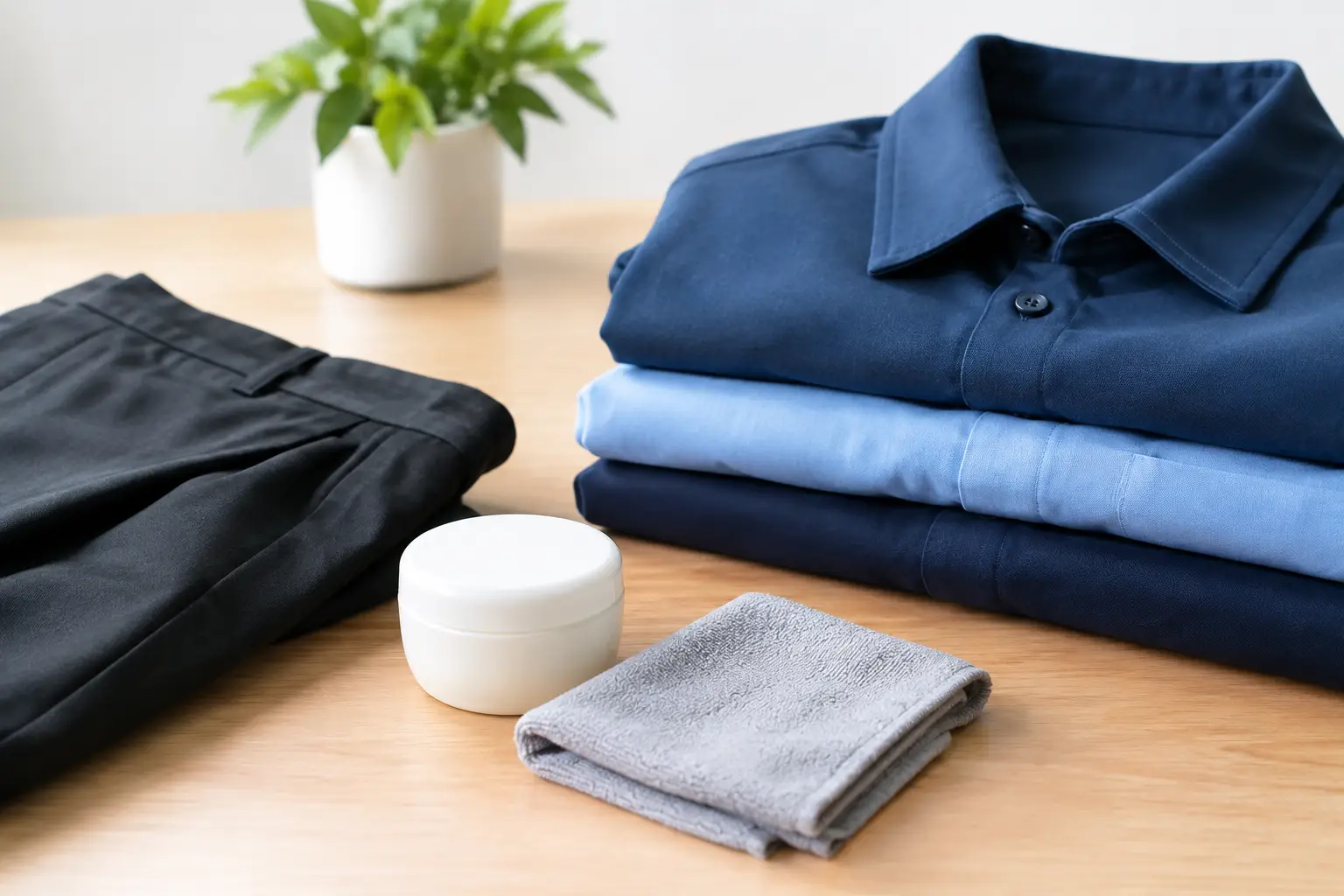
A uniform should help you do your job, not leave you counting the minutes until you can take it off. Yet friction management for work uniforms is often overlooked until a collar rubs raw, a boot creates a painful hot spot, or a long shift ends with thigh chafing. For people who walk floors, lift stock, serve customers, work outdoors or spend hours on their feet, small points of rubbing can become a serious distraction.
The good news is that workplace friction is usually manageable. The answer is rarely one dramatic change. It is a practical combination of fit, fabric, layering, footwear and skin protection that lets you focus on the shift ahead rather than the discomfort building underneath your clothes.
Why work uniforms cause friction
Uniforms are designed for consistency, identification and protection. Comfort can be part of the brief, but a garment that works well for one person can rub, trap heat or restrict movement for another. Repeated motions turn a minor issue into an irritated area: bending to restock shelves, climbing stairs, walking a ward, cycling between deliveries, or moving in and out of a vehicle.
The most common pressure points are predictable. Collars and necklines can rub during active work. Waistbands may dig in when sitting or bending. Seams around the inner thigh, underarm and chest can catch with every step or reach. Safety boots, formal shoes and work trainers can create hot spots at the heel, toes and sides of the foot.
Heat and moisture make every one of these problems worse. Sweat softens skin, while damp fabric and socks are more likely to cling and rub. This is why a uniform that feels fine during a short fitting can become uncomfortable halfway through a warm, demanding day.
Start friction management for work uniforms with fit
A uniform does not need to be loose to be comfortable, but it needs to move with you. Clothing that is too tight creates concentrated pressure and pulls seams into high-friction areas. Clothing that is too baggy can bunch, twist and catch. The right fit sits securely without pinching when you squat, reach overhead, climb steps or sit down.
Try on workwear as you actually wear it. Put on the socks, base layers, belt and footwear you use for a normal shift, then move through the positions your role demands. A pair of trousers can feel acceptable while standing still but become restrictive at the waist or inner thigh when you bend repeatedly.
Pay attention to the details that are easy to dismiss. A stiff label, rough inner seam, poorly placed pocket edge or belt buckle can cause a surprising amount of discomfort over eight hours. If your workplace permits adjustments, a different trouser cut, a longer shirt length or a less abrasive layer can make a meaningful difference.
For safety-critical uniforms and personal protective equipment, fit still matters, but changes must remain within workplace policy. Do not alter protective garments in a way that affects their coverage, visibility, flame resistance or other required function. Comfort should support safe working, never compete with it.
Choose fabrics and layers for the conditions
Fabric choice depends on your environment. In a cool office, softness and flexibility may matter most. In a busy kitchen, warehouse, healthcare setting or outdoor role, moisture control becomes more important. A fabric that holds sweat against the skin can increase rubbing, while a breathable, quick-drying layer helps reduce the damp conditions that cause chafing.
Where dress codes allow, a smooth base layer can create a useful barrier between skin and a rougher uniform. This may be fitted shorts beneath trousers or a skirt, a lightweight vest beneath a shirt, or moisture-wicking socks inside boots. Avoid layers that roll, crease or have thick seams in the exact place you are trying to protect.
Socks deserve more attention than they usually get. Work footwear is unforgiving when socks slide down, bunch at the toes or stay wet. Choose a pair that fits closely without constricting the foot, and carry a spare pair if your role involves rain, heat or long periods of walking. Changing damp socks mid-shift is a simple reset for feet that are beginning to feel tender.
Protect the skin before the rubbing starts
Once skin is already sore, almost any contact can feel worse. Prevention works best before your commute, shift or active break begins. If you know your usual trouble spots, treat them as part of getting ready, just like tying your laces or checking you have your ID.
A purpose-made anti-chafe balm can reduce drag where skin meets skin, fabric or footwear. Apply it to clean, dry skin in areas that regularly rub, such as inner thighs, underarms, along bra lines, under waistbands or at shoe contact points. The aim is not to make skin slippery everywhere. It is to create a comfortable protective layer exactly where repeated movement causes trouble.
A portable stick format is especially useful for working days. Keep it in a locker, kit bag or desk drawer for a top-up before a long walk, a double shift or the journey home. Runglide Anti Chafe Balm is designed for this kind of practical routine, offering targeted friction protection in a compact format without petroleum or oils.
Skin protection is not a substitute for addressing a badly fitting uniform or worn-out footwear. If a boot seam has split, a heel counter has collapsed, or trousers consistently cut into the same area, solve the source as well as protecting the skin. Think of balm as invisible armour, not permission to ignore equipment that needs replacing.
Build a routine that works on real shifts
The best anti-friction plan is the one you will actually repeat when mornings are rushed. Keep it simple and match it to the demands of your work.
Before leaving home, check that your uniform is clean and fully dry, especially socks and base layers. Apply skin protection to your known friction zones and wear the footwear you have already broken in. New shoes, new insoles and new uniform pieces are best tested on shorter days where possible.
During the shift, respond early. A warm patch on your heel, a seam that has started to catch, or an area of damp fabric is a warning rather than something to push through. Take a moment to straighten a bunched layer, change socks, dry the area or reapply protection if needed. Five minutes of care can prevent several days of painful skin.
After work, wash away sweat and product gently, then let the skin dry properly. Check recurring sore spots rather than hoping they disappear by morning. Patterns tell you what needs changing: perhaps your boots are too narrow, your waistband is moving during lifting, or your chosen fabric is not suited to warmer shifts.
Know when discomfort needs more than a quick fix
Mild redness that settles after rest is common, particularly during hot weather or when starting a new role. Broken skin, swelling, spreading redness, discharge, severe pain or a blister that makes walking difficult needs proper attention. Follow your workplace first-aid process and seek advice from a pharmacist or healthcare professional when symptoms are persistent or worsening.
If you have diabetes, reduced circulation, skin conditions or a history of foot problems, take hot spots and blisters seriously from the start. It is worth getting personalised clinical advice on foot care and suitable products, particularly if safety footwear is a daily requirement.
Comfort at work is not a luxury or a reward for an easy day. It is part of being able to move well, stay focused and finish the shift with energy still in reserve. Set up your uniform, footwear and skin protection with the same care you bring to the job, and give friction far less opportunity to get in your way.