

Blog
A Long Walk Comfort Checklist for Better Miles

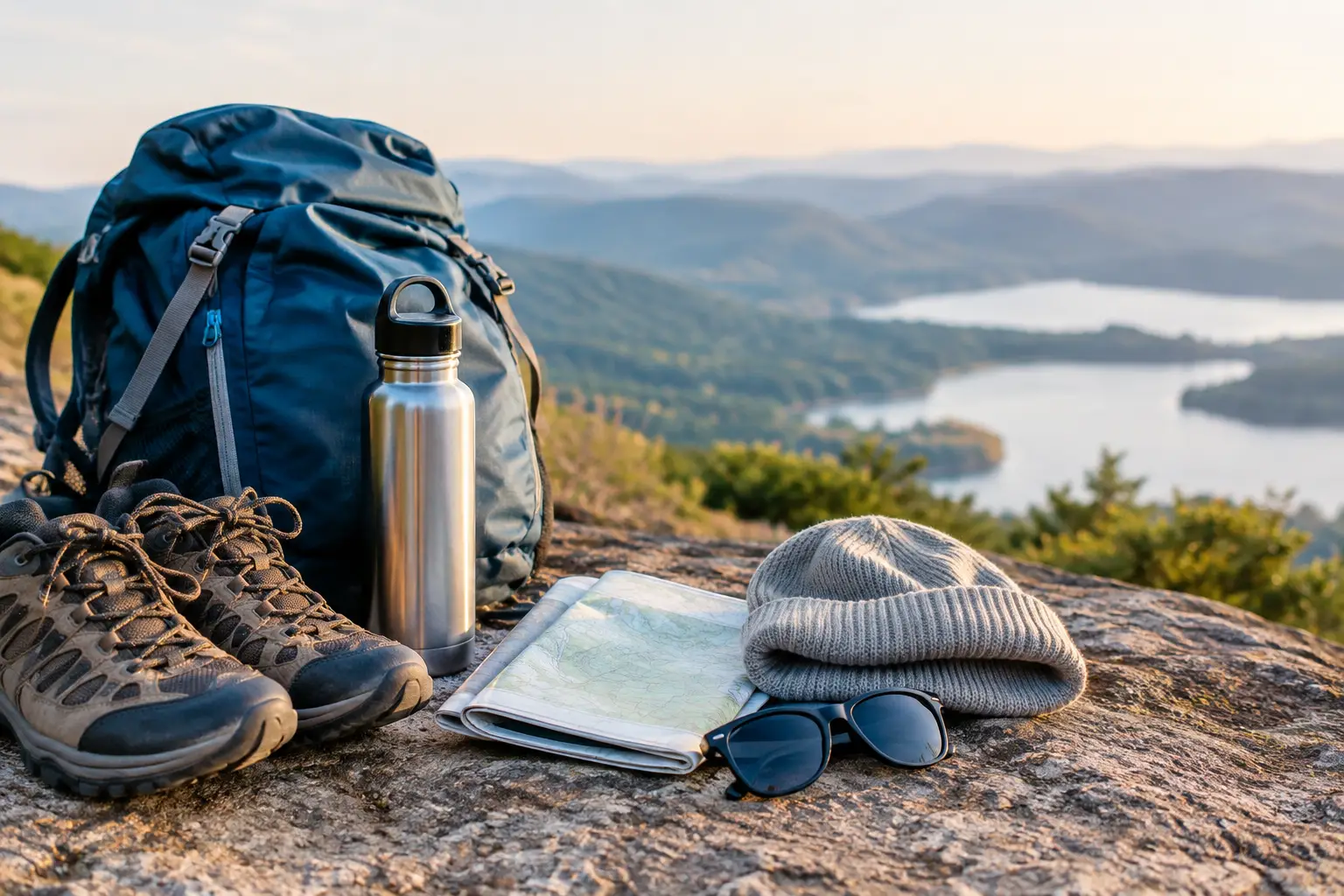
The first warning sign on a long walk is rarely dramatic. A sock starts to rub at the heel. Your waistband shifts every few minutes. Your water bottle suddenly feels too far away. This long walk comfort checklist is designed to catch those small problems before they turn a brilliant day outdoors into the slow shuffle home.
Whether you are walking coastal paths, exploring a city on holiday, building fitness on local trails or taking on a full-day hike, comfort is not a luxury. It is what lets you stay present, enjoy the route and keep moving with confidence.
Start your long walk comfort checklist the night before
The best long walks usually begin before you leave the house. Last-minute packing is how people end up wearing untested socks, forgetting sun protection or grabbing shoes that have spent the past month at the back of a cupboard.
Check the route, terrain and forecast first. A dry canal path and a rocky hill route ask different things of your footwear, layers and water supply. Look at the distance, expected walking time, elevation and where you can refill water or stop for food. If the weather is changeable, plan for it rather than hoping it stays kind.
Lay out what you will wear from head to toe. This simple habit makes it much easier to spot missing items and removes a little friction from the morning itself. Your goal is not to pack every possible extra. It is to take the kit that protects your comfort without turning your rucksack into dead weight.
Choose footwear that has earned your trust
New walking boots may look ready for an adventure, but your feet get the final say. Long distances magnify every tight seam, loose heel and pressure point. For a major walk, choose footwear you have already worn for several shorter outings.
Fit matters more than the name on the shoe. Your toes need room to move, particularly on descents, while your heel should stay secure without being squeezed. Try footwear later in the day if possible, when feet are naturally a little more swollen. That gives a more realistic sense of how it may feel after hours on the move.
Socks deserve just as much attention. Choose clean, well-fitting walking socks that manage moisture and do not bunch under the arch or at the toes. Carrying a spare pair can be a genuine comfort saver in rain, heat or muddy conditions. Wet socks do not guarantee blisters, but they make friction more likely and make each mile less pleasant.
If you notice a hot spot, a small area of heat or rubbing, act early. Stopping for two minutes can be the difference between a minor adjustment and a painful blister that changes how you walk for days.
Dress for movement, not just the forecast
A chilly start can tempt you into too many layers. Once your pace rises, trapped heat and sweat can create their own discomfort. Build an outfit you can adjust: a breathable base layer, a light insulating layer if needed, and a packable waterproof outer layer when rain is possible.
Avoid fabrics and fits that rub when you move. Seams around the inner thigh, underarms, waist and bra line can become surprisingly irritating over a long distance. Shorts, leggings and trousers should feel good while climbing steps, sitting down and taking a full stride, not only while standing in front of a mirror.
For skin-on-skin or clothing-on-skin friction, apply an anti-chafe balm before you set off, not once the sting has begun. Think of it as invisible armour for known trouble spots: thighs, underarms, feet, waistbands or anywhere your kit repeatedly rubs. A portable stick is easy to keep in a pocket or pack for reapplication when the day is hot, wet or especially long. Runglide Anti Chafe Balm is made for exactly this kind of practical, on-the-go protection.
Carry comfort, not clutter
A well-packed bag supports you without pulling on your shoulders all day. Put heavier items close to your back, tighten the straps so the bag does not bounce, and keep the things you need most often within easy reach. A pack that shifts constantly can create rubbing across shoulders, hips and lower back.
For most long walks, these essentials earn their place:
- Water, plus extra capacity or a clear refill plan for longer or warmer routes.
- Easy food such as fruit, sandwiches, oat bars or salty snacks.
- A light waterproof, sun protection and an extra layer suited to the conditions.
- A small first-aid kit with blister care, plasters and any personal medication.
- A charged phone, route details and a compact power bank if you will be out all day.
The amount of water and food depends on distance, temperature, effort and access to shops or taps. A gentle urban walk with regular cafés requires less than a remote hillside route. Do not treat thirst or low energy as something to push through. They affect your mood, pace and decision-making long before they feel serious.
Pace the first hour like it matters
It does. The first hour sets the tone for the rest of your walk. Starting too fast may feel satisfying while your legs are fresh, but it can leave you drained halfway through the route. Set a pace at which you can talk comfortably, especially if the day includes hills or uneven ground.
Take small, regular sips instead of waiting until you are parched. Eat before you feel completely empty. For walks lasting several hours, a quick snack every 60 to 90 minutes is often easier on your energy than one huge stop. Your needs will vary, so use training walks to learn what works for you.
Breaks are useful, but do not wait until you are exhausted to take one. Pause to adjust a lace, remove a layer, eat something or check your feet. On cold days, keep longer breaks shorter so you do not stiffen up. In high heat, shade and a longer reset may be the smarter choice.
Know the friction zones that change a good walk
Chafing and blisters are not signs that you lack toughness. They are usually the result of repeated friction, heat, moisture and pressure. The more quickly you recognise the causes, the more reliably you can prevent them.
Feet are the obvious place to look, but do not overlook the inner thighs, groin, underarms, nipples, bra band, waistband and shoulder straps. These areas can be affected by sweat, damp clothing, a swinging bag or repetitive movement. What bothers one person may never affect another, so your own experience is the best guide.
At the first sign of rubbing, stop and investigate. Dry the area if you can, smooth a folded sock or twisted seam, adjust your straps, change socks or add protection. Continuing in the hope that it will settle is rarely the winning move. Friction tends to build, particularly once skin is already irritated.
Plan for weather changes and daylight
British and Irish weather can offer sunshine, wind and rain before lunch. Even on a short route, a light waterproof and an insulating layer can make the difference between feeling adventurous and feeling miserable. In strong sun, cover exposed skin, wear a hat and use sunscreen. In colder conditions, protect hands and ears, and keep a dry layer accessible.
Check daylight as carefully as distance. A wrong turn, slower terrain or a longer café stop can all push your finish later than planned. If dusk is possible, carry a small torch or head torch and let someone know your route and expected return time. This is not about making a simple walk feel complicated. It is about giving yourself options if the day changes.
Finish the walk well
When you stop moving, do a quick body check before you head home. Deal with any hot spots, change out of damp socks and clothes, and give your feet a chance to dry. Rehydrate, eat something with substance and avoid ignoring a sore patch simply because the walk is over.
Make a short note of what worked. Perhaps your new socks were excellent, your bag sat too low, or you needed more water than expected. Those details turn every outing into useful preparation for the next one.
Comfort gives you more than an easier walk. It gives you the freedom to take the scenic turn, add another mile and remember the view rather than the rubbing. Pack with purpose, listen to your body and let your next long walk feel like the start of something bigger.