

Blog
How to Avoid Swimsuit Chafing This Summer

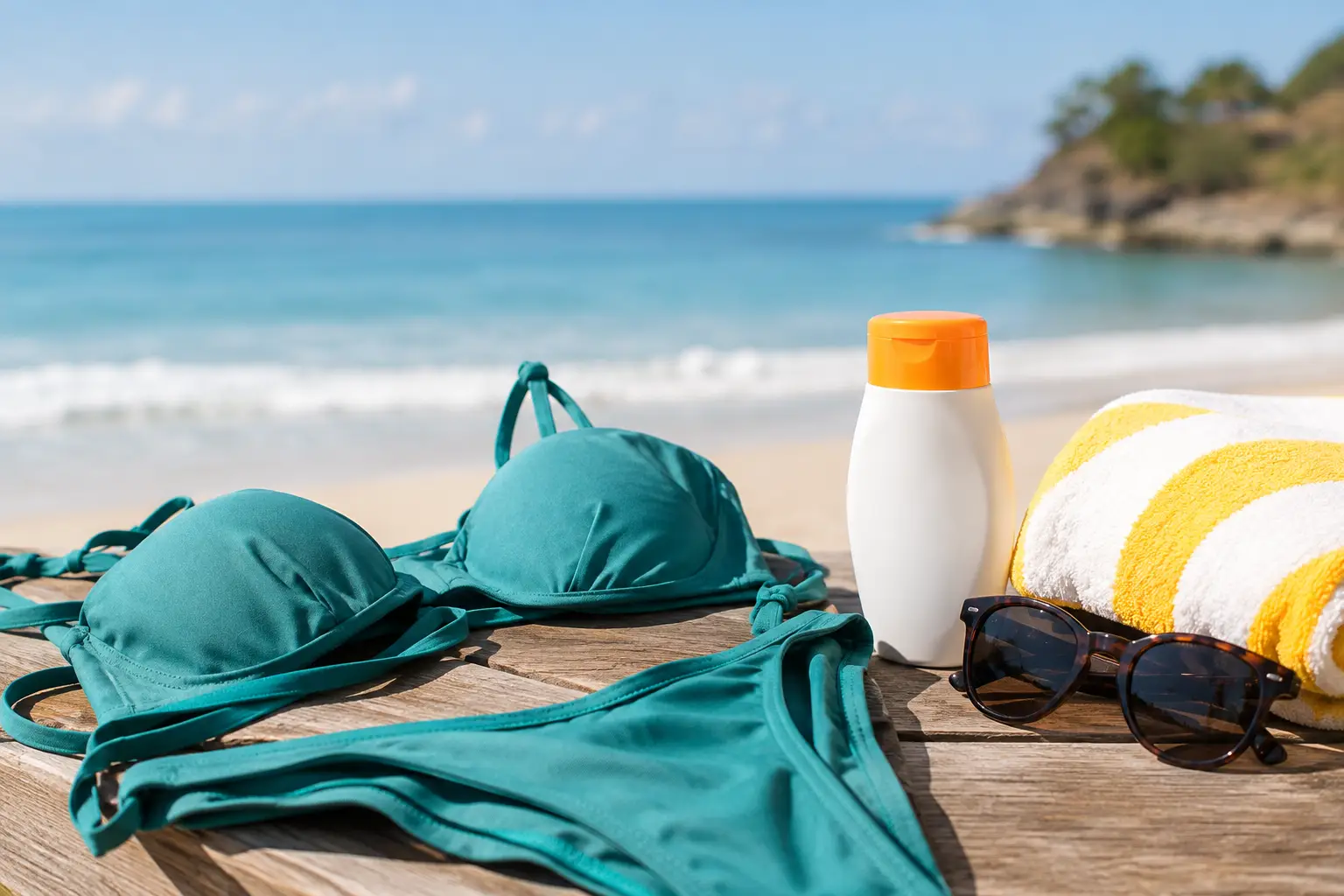
A swim should leave you feeling refreshed, not walking home with sore inner thighs, a raw bikini line or irritated underarms. Knowing how to avoid swimsuit chafing means planning for more than sunshine: fabric, fit, salt water, sand and the length of time you stay in damp swimwear all affect how your skin feels.
Chafing can happen to anyone. It is not a sign that you have chosen the wrong body for a swimsuit or that you are somehow not fit enough to swim. It is simply friction meeting warm, damp skin. The good news is that a few practical choices can make a real difference, whether you are training in the pool, taking a sea dip or spending a full day on holiday by the water.
Why swimsuits cause chafing
Chafing develops when skin repeatedly rubs against skin or fabric. Moisture softens the outer layer of skin, making it more vulnerable, while heat and movement increase friction. Add salt, chlorine, sand or a seam that catches in the same spot, and a small annoyance can become a painful rash surprisingly quickly.
The usual trouble spots are the inner thighs, groin and bikini line, underarms, beneath the bust, around the waistband and where swimsuit straps sit on the shoulders. Men may notice rubbing beneath tight swim shorts or along the leg openings. Women may find that a swimsuit with a narrow gusset, tight leg elastic or a shifting bikini bottom creates irritation during a long walk to the beach, paddleboarding or swimming laps.
It is rarely just one factor. A suit that fits well for a quick dip may start rubbing after an hour of wet wear. Equally, a loose suit can bunch up, trap sand and create friction of its own. Prevention works best when you address both the garment and your skin.
How to avoid swimsuit chafing before you get wet
Start with fit, not size on the label. Your swimsuit should feel secure without digging in, pulling across the hips or leaving deep marks at the leg openings. Try it on properly: raise your arms, squat, walk about and mimic a few swimming movements. If the fabric rolls, gaps, pinches or shifts when dry, it will usually become more noticeable in water.
For lap swimming or water sports, a streamlined one-piece, fitted swim shorts or a longer-leg style can reduce fabric movement. For beach days, choose a cut that does not rub at your natural crease points. There is a trade-off here: more coverage can protect skin-on-skin contact, but only if the extra fabric stays in place. Loose board shorts may be comfortable for lounging yet rub during a long swim or run along the shore.
Fabric matters too. Look for soft, smooth materials with flat or carefully placed seams. Rough mesh linings, decorative stitching and tight elastic edges can be common culprits. If you already know that a particular suit irritates you, do not rely on it for an active day just because it looks good. Keep it for short wear and choose your dependable option when movement is on the plan.
Before dressing, make sure your skin is clean and completely dry. Dampness from a shower, body lotion that has not absorbed or sweat from getting ready can make friction start early. Avoid heavily fragranced products on areas prone to irritation, especially after shaving or hair removal, when skin can be more sensitive.
Apply a friction barrier to your hot spots
A dedicated anti-chafe balm creates a protective layer between skin and friction. Apply it generously to clean, dry areas that usually rub: inner thighs, underarms, beneath swimwear edges and anywhere straps or waistbands repeatedly catch. Do this before putting your swimsuit on, rather than waiting for the first sting.
The right amount depends on your activity and your body. A quiet hour by the pool may need little more than a light application. Open-water swimming, a beach walk, a triathlon session or a humid holiday day calls for more coverage and a stick you can reapply easily. Runglide RG Anti Chafe Balm is designed as portable, everyday invisible armour for the places friction tries to slow you down.
Do not forget less obvious areas. If you wear goggles for long sessions, check whether the straps irritate behind your ears. If you use a wetsuit, consider the neck, underarms and any point where the suit creases as you move. Wetsuits bring their own challenge: they reduce exposure to sand and sun, but the close fit and repeated arm movement can create rubbing if the sizing is off.
Stay comfortable during a pool or beach day
Once you are in the water, pay attention to early warning signs. A warm, prickly sensation or a patch that suddenly feels tender is your cue to act. Continuing through pain can turn minor rubbing into broken skin, and salt water or chlorine will not make that more pleasant.
Rinse off when you can, particularly after swimming in the sea. Salt crystals and sand can remain on the skin and inside your suit, creating an abrasive surface with every step. At the pool, a quick shower removes chlorine and helps you spot any developing irritation before it worsens.
The biggest practical habit is simple: change out of wet swimwear as soon as it makes sense. Sitting in a damp costume for hours after swimming keeps moisture and friction locked against the skin. Pack dry underwear and loose, breathable clothes, even if you think you will only be in the water briefly. This is especially useful after a sea swim followed by a drive, sightseeing or a meal out.
If you are staying in your suit for a full day, rinse it between swims and shake out sand. A second swimsuit can also be a game-changer. Rotate into a clean, dry pair after lunch or before an afternoon walk. It may feel like extra packing, but it is far easier than managing painful skin for the rest of your holiday.
For open-water swimmers and athletes
Training sessions need a more deliberate approach because repetition magnifies small problems. A swimsuit that is fine for casual use may not be the best option for dozens of pool lengths, a long open-water swim or a swim leg in a triathlon. Test your race or training kit before the big day, including your chosen balm, goggles, wetsuit and any tri suit.
Open water adds changing conditions. Cold water can make you less aware of rubbing initially, while salt water can sting the moment skin is compromised. If you are wearing a wetsuit, check the neckline before every session and ensure it sits flat. A little preventative barrier around the neck and underarms can save a session, but it cannot fully compensate for a suit that is too tight, worn out or incorrectly fitted.
Cycling or running immediately after a swim creates another transition point. Dry off thoroughly, change into clean kit where possible and reapply protection to the areas relevant to the next activity. Do not assume the product or clothing choice that worked in the water will cover a sweaty ride or run afterwards.
What to do if chafing has already started
Stop the rubbing first. Get out of the wet swimsuit, rinse the area gently with fresh water and pat it dry rather than rubbing with a towel. Wear loose clothing that will not scrape against the irritated skin. Avoid perfumed body wash, exfoliants and tight underwear until the area settles.
For mild chafing, keeping the skin clean, dry and protected from further friction is often enough. Let the area recover before another long swim or hard session. If skin is blistered, bleeding, very swollen, weeping, showing signs of infection or not improving, seek advice from a pharmacist or healthcare professional.
Do not try to push through because the event feels important. Missing one swim is frustrating; turning a small hot spot into a painful injury that affects walking, running and sleep is worse. Smart prevention is part of training, not a sign of taking it easy.
Build a no-chafe swim bag
Your swim bag does not need to be complicated. Bring a well-fitting swimsuit, a small anti-chafe stick, a towel, fresh water for rinsing, dry underwear and a change of loose clothes. If you are heading to the beach, add a spare suit so you are not spending the journey home in something wet and sandy.
The aim is freedom: fewer distractions, more confidence and the ability to say yes to one more length, a coastal walk or an unplanned swim without worrying about the aftermath. Choose kit that works with your movement, protect the areas that tend to rub and change out of wet fabric promptly. Your skin will be far more likely to keep pace with your plans.