

Blog
How a Gym Member Solved Thigh Rub With Balm

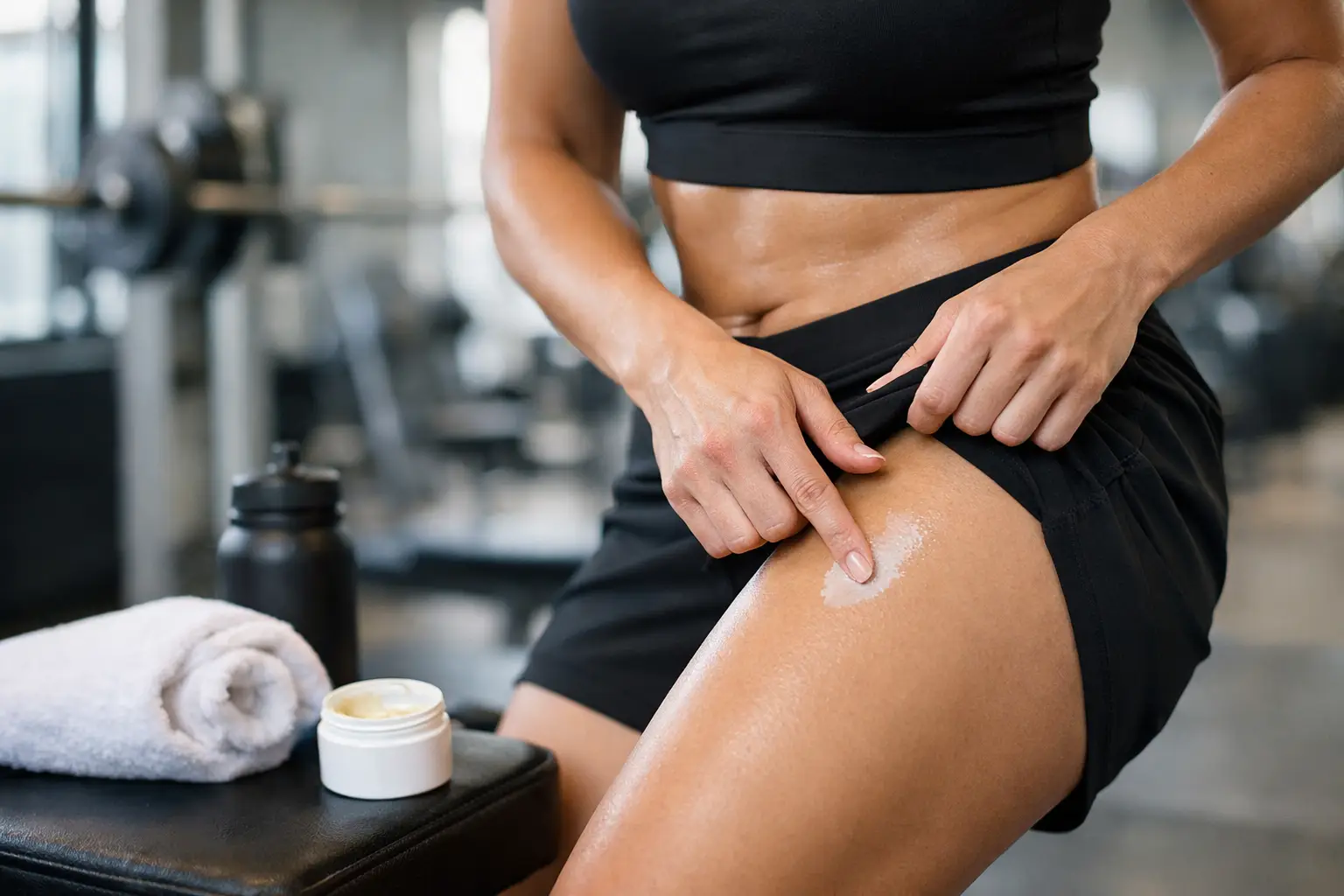
The gym member who solved thigh rub with balm did not need a new training plan, a different body, or the perfect pair of leggings. They needed to deal with friction before it became pain. That small change meant they could focus on the last set, the treadmill interval, or the walk home instead of the sting building with every stride.
Thigh rub is often treated as something you simply put up with. But when skin repeatedly meets skin, damp fabric, or a rough seam, irritation can escalate quickly. A protective balm creates a smooth barrier at the point of contact, helping skin glide rather than drag. For gym-goers trying to build consistency, that comfort is not a luxury. It is part of showing up again tomorrow.
Why thigh rub can derail a good gym session
Thigh chafing happens when repeated movement creates friction. Squats, lunges, incline walking, cycling, rowing and even a busy strength session can all create the conditions for it. Heat and sweat make the skin softer and more vulnerable, while tight shorts, loose fabric, seams and certain fabrics can add another source of rubbing.
It is not limited to one body type, fitness level or sport. Thigh rub can affect a first-time gym member finding their rhythm, a regular lifting heavier than ever, or an endurance athlete fitting in a recovery session. The common factor is movement plus friction.
The frustrating part is how quickly it can change your behaviour. You shorten your stride on the treadmill. You skip the finisher. You avoid walking between meetings after training because every step feels uncomfortable. Once skin is already irritated, the next session can feel like a bigger hurdle than it should.
A balm will not replace sensible clothing, personal hygiene or recovery. What it can do is address the direct issue at the skin surface: friction. Used before movement begins, it gives your thighs a layer of invisible armour for the session ahead.
How the gym member solved thigh rub with balm
The practical fix was simple: apply anti-chafe balm to clean, dry skin before the workout, directly where the thighs usually rub. The goal is coverage, not excess. A few smooth passes across the high-friction area are generally enough to create a protective layer without leaving you feeling coated or distracted.
Timing mattered. Applying balm after the first signs of rubbing can still feel soothing for some people, but prevention is where it earns its place in a gym bag. Friction does not wait for the end of a session. If your training includes cardio, high-rep leg work or plenty of walking, apply it before you warm up.
The gym member also stopped treating it as a product reserved for long runs. A 40-minute workout can create plenty of friction, especially in a warm gym or during a humid spell. The stick format made it easy to use at home, in the changing room, or before a lunchtime session. No complicated routine. No need to make comfort another task on the to-do list.
That is why a purpose-made anti-chafe balm can be more useful than whatever happens to be in the bathroom cabinet. Products designed for friction prevention are made to stay where you apply them while you move. Runglide RG Anti Chafe Balm is a portable, petroleum-free option created for active days, from gym sessions and runs to walking, travel and warm-weather wear.
Apply it where friction actually happens
Most people know their trouble spots after one or two uncomfortable sessions. Inner thighs are the obvious area, but friction can spread beyond the exact point where skin touches. Apply across the full zone that moves against itself, rather than drawing one narrow line and hoping for the best.
If you are unsure where to start, think through your workout. For treadmill walking or running, cover the inner thighs from upper thigh to the area just above the knee where rubbing tends to occur. For cycling or spin, consider where your shorts, saddle position and repeated pedal stroke create pressure and movement. For strength training, remember that squats, step-ups and loaded carries can produce more thigh contact than you might expect.
Use the balm on intact skin. If the area is already raw, broken, bleeding or showing signs of infection, stop the activity that is aggravating it and give it time to recover. Seek advice from a pharmacist or healthcare professional if irritation is severe, worsening, persistent or accompanied by swelling, heat or discharge.
Balm works better alongside the right kit
A balm is a strong first line of defence, but clothing still matters. The best option depends on how you train, how much you sweat and what feels comfortable on your body. Some gym-goers prefer longer, close-fitting shorts under looser layers. Others find that breathable leggings reduce fabric movement. Neither choice is automatically better.
Check seams before blaming your skin. A seam that sits in precisely the wrong place can rub even when the fabric feels soft in the changing room. Test new shorts on a short session before relying on them for a long treadmill workout or a full leg day. Wash workout clothing promptly too, as dried sweat and detergent residue can make fabric less comfortable against sensitive skin.
Hydration and changing out of damp kit after training also help. Sweat itself is normal, but leaving wet clothing against irritated areas for hours is rarely kind to skin. A quick shower, dry clothes and a little recovery time can make the next workout feel far more manageable.
Build a pre-workout routine you will actually keep
The best anti-chafe habit is the one that takes almost no effort. Keep your balm beside your trainers, water bottle or lifting belt so it is part of getting ready, not something you remember after discomfort starts. If you train straight from work, put one in your gym bag. If you walk to the gym, apply it before leaving the house.
This matters most when your routine changes. A new programme might add incline walking, a longer warm-up, more cycling or higher-volume lower-body work. Holiday heat, a crowded gym with poor airflow, or a longer commute on foot can also increase sweat and friction. Your skin does not care whether the movement comes from a structured workout or a busy day. Protection can make both easier.
There is a useful mindset shift here: anti-chafe balm is not an emergency product for when something goes wrong. It is a performance accessory. Just as you bring supportive footwear for a run or straps for heavy pulls, you use a friction barrier to remove a preventable distraction.
When to make a bigger adjustment
If balm and better-fitting kit do not improve the issue, look closer at the pattern. Does chafing happen only in one pair of shorts? Only on the bike? Only during very sweaty sessions? The answer can reveal whether the main culprit is a fabric seam, saddle position, technique, skin sensitivity or a sudden increase in training volume.
Do not push through damaged skin to prove toughness. Consistency beats one heroic session followed by several uncomfortable days. Scale back the activity causing the rub, wear soft and dry clothing, and return when the area has settled. If you have recurring irritation without an obvious friction trigger, professional medical guidance is sensible.
Comfort should not be the thing that decides whether you train. Apply your balm before the first rep, move with confidence, and let your effort – not thigh rub – be the part of the workout you remember.