

Blog
Blister Balm vs Blister Plasters: Which Works?

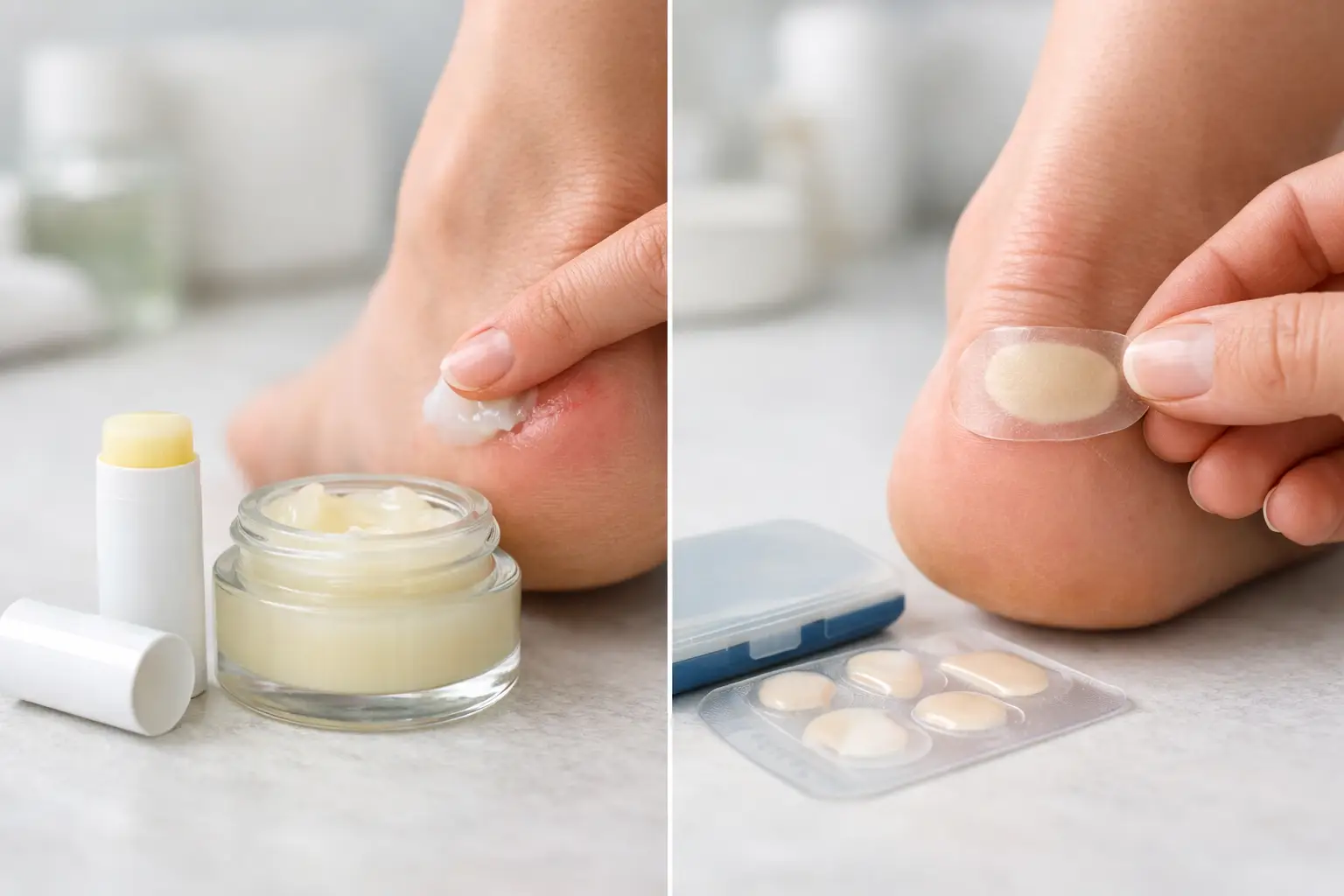
A hot spot at mile six can turn a good run into a limp home. The real question in blister balm vs blister plasters is not which product is better overall. It is which one matches what your skin needs right now: less friction before damage starts, or cushioning and protection once it has.
For runners, hikers, cyclists and anyone clocking up steps on holiday or during a long workday, blister prevention is usually the smarter first move. But plasters still earn a place in your kit when rubbing has already won the first round.
Blister balm vs blister plasters: the key difference
Blisters form when repeated rubbing causes the outer layers of skin to separate. Fluid collects in the gap, creating that familiar sore bubble. Heat, sweat, poorly fitted socks, new shoes and long periods on your feet can all make the problem worse.
A blister balm works before a blister forms. Applied to intact skin, it creates a low-friction barrier so skin, sock and shoe move against each other with less drag. Think of it as invisible armour for the places that reliably rub: heels, toes, the balls of your feet, arches and anywhere a sandal strap catches.
Blister plasters, often hydrocolloid plasters, are primarily for after friction has caused a hot spot or blister. They cushion the area, protect it from more rubbing and can help keep the wound clean while it heals. They do not remove the original cause of friction around the rest of your foot, and they can be awkward to apply on sweaty skin or in a hard-to-reach place between toes.
The distinction is simple: balm is proactive; plasters are reactive. For consistent training, prevention generally means fewer compromised sessions.
When blister balm is the better choice
Use balm when your skin is unbroken and you know where trouble tends to start. If your right heel always rubs in a particular pair of trainers, there is no prize for waiting until it hurts. Apply your anti-chafe balm before you leave, then get on with the miles.
It is particularly useful for long runs, hikes, cycle rides, gym sessions involving lots of repetitive movement, and days spent walking in warm weather. A balm is also practical when a plaster would struggle to stay put, such as on the side of a toe, under a sock that gets damp, or across a moving joint.
The best application is generous enough to leave a slick protective layer, but not so excessive that it makes your socks feel saturated. Cover the full friction zone rather than only one pinpoint. On a heel, for example, apply across the back and slightly around both sides, where footwear often creates pressure during push-off.
A portable stick makes this easy to build into a pre-run routine: shoes on, laces checked, balm applied, out the door. Runglide Anti Chafe Balm is designed for exactly this type of friction defence, with a convenient stick format that can come along for long days outside.
Balm is not a fix for every footwear problem. If shoes are drastically too small, too large or rubbing due to a damaged heel counter, no product can make that setup ideal. It can reduce friction, but it cannot correct a poor fit.
When blister plasters make more sense
Once a hot spot is painful, or a blister has formed, a blister plaster can be the more comfortable option. Its cushioning layer spreads pressure and reduces direct contact with the shoe. For an intact blister, that extra padding may make it possible to walk more comfortably while giving the area time to settle.
Clean and dry the skin first, then apply the plaster carefully and press the edges down firmly. Follow the product instructions for how long to leave it in place. Hydrocolloid plasters are designed to stay on for a period of time, so repeatedly peeling one off to inspect the area can irritate delicate skin.
If a blister has burst, protect it from dirt and further rubbing. Avoid tearing away the loose skin unless a healthcare professional advises otherwise, as that skin can still protect the tender area beneath. Keep an eye out for increasing redness, warmth, swelling, pus or worsening pain. These can be signs of infection and are reasons to seek medical advice, especially if you have diabetes, poor circulation or reduced sensation in your feet.
A plaster is also useful as an emergency option during an event. A sudden hot spot on a hike may need immediate cushioning. Just remember that a plaster applied over sweaty skin may lift at the edges, bunch up or create another rubbing point. Carrying one is sensible. Relying on one as your only plan is less so.
Can you use both?
Yes, but not on exactly the same patch of skin at the same time. Balm needs direct contact with clean, dry, intact skin to reduce friction. A plaster needs clean, dry skin to adhere. Applying balm underneath a plaster will usually stop it sticking.
The smarter combination is to use each where it belongs. Protect an existing blister with a plaster, then apply balm to the surrounding high-friction areas that are still healthy. For instance, if one heel has blistered, cover that spot appropriately and use balm on the other heel, toes and forefoot before putting your shoes back on.
This approach matters on multi-day walks and training blocks. One sore area can subtly change your stride, which may create fresh rubbing elsewhere. Protect the damaged spot, reduce friction across the rest of the foot and give yourself the best chance of moving normally.
The footwear factors that decide the outcome
Neither balm nor plasters can compensate fully for footwear that is working against you. If blisters keep returning in the same place, investigate the setup rather than simply adding more protection.
Start with fit. Your toes need room to spread and move without repeatedly striking the end of the shoe, especially on descents. Your heel should feel secure without being squeezed. Try shoes later in the day, when feet are often slightly larger, and wear the socks you actually train or walk in.
Socks are the next big variable. Damp cotton can hold moisture against skin and increase friction. Technical, moisture-managing socks are often a better choice for longer activity. Some people find double-layer socks helpful, while others prefer a thin, well-fitted pair. The right answer depends on your feet, shoes and how much you sweat.
Do not ignore shoe condition either. Worn linings, seams, rough insoles and collapsed cushioning can all create new pressure points. A shoe that was comfortable six months ago may no longer be the right partner for your long run.
A practical routine for blister-free miles
Before a session, inspect your feet for tender spots, cracked skin or areas that have rubbed recently. Apply balm to known friction zones on clean, dry, unbroken skin. Choose socks that match the activity, and make sure your shoes are laced securely without pressure across the top of the foot.
During longer outings, act early. A warm, tingly spot is your signal to stop and address it, not something to grit your teeth through. Dry your feet if possible, adjust your socks or laces, and use a plaster if the skin has become sore enough to need cushioning.
Afterwards, wash and dry your feet well. Let your skin recover before another long session if an area is tender. Small habits like rotating shoes, trimming nails and breaking in new footwear gradually can prevent a surprising number of problems.
So, which should you pack?
Pack both if you are heading out for a long walk, race, trek or trip where comfort matters. Use blister balm as your first line of defence, because preventing skin damage is easier than managing it halfway through a day. Keep blister plasters for the moments when an existing hot spot needs cushioning and protection.
Your goal is not to become tougher by ignoring friction. It is to stay comfortable enough to keep moving with confidence, whether that means chasing a personal best, reaching the summit or simply enjoying the walk home without every step reminding you of your shoes.