

Blog
Friction Rash Treatment Guide for Active Skin

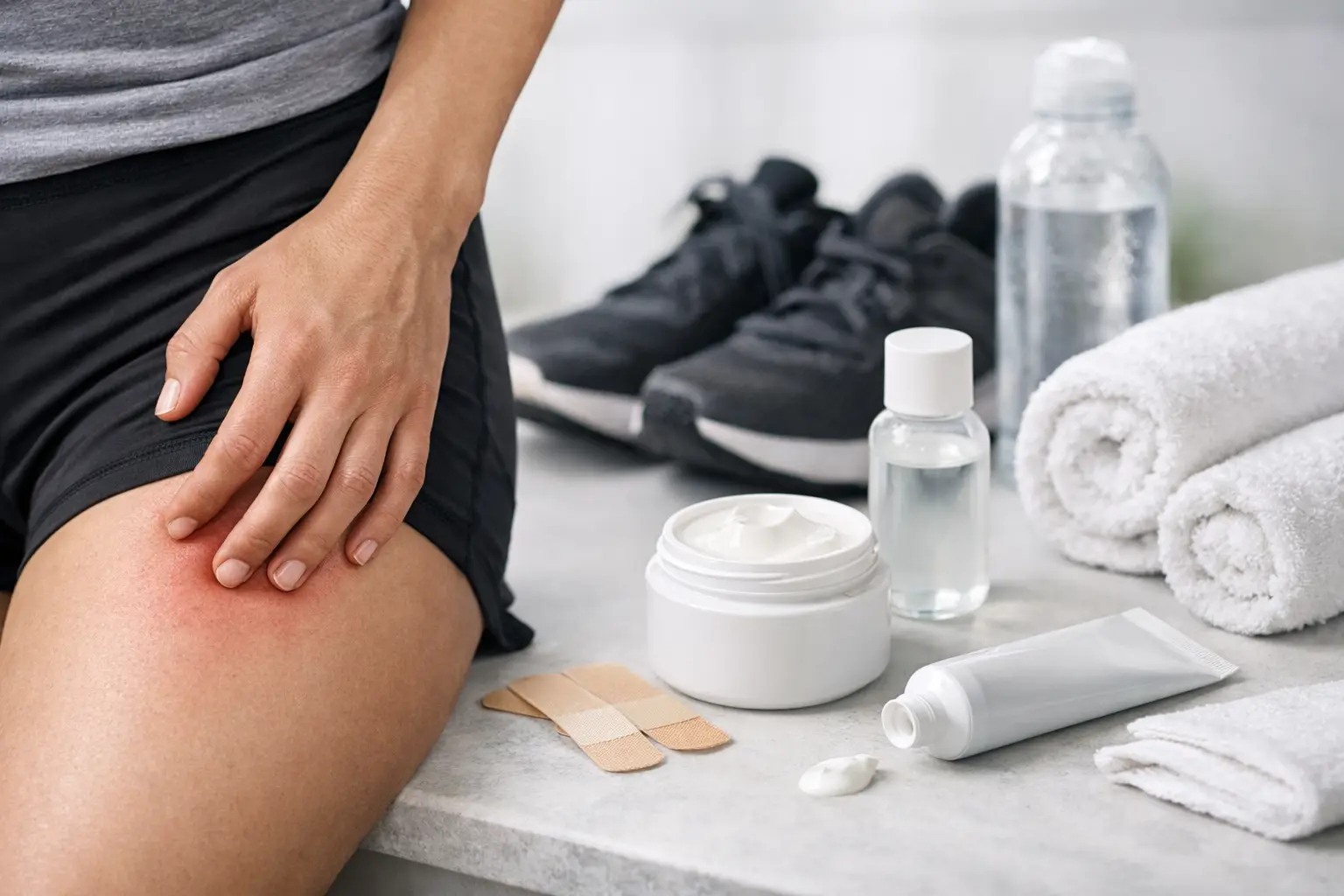
That burning patch on your inner thighs halfway through a long run is not a test of toughness. Friction rash can turn a great session, hike or hot commute into an uncomfortable ordeal. This friction rash treatment guide explains how to calm irritated skin now, recognise when it needs medical care, and build a routine that lets you keep moving with confidence.
What friction rash looks and feels like
Friction rash, often called chafing, happens when skin repeatedly rubs against skin, fabric or equipment. Heat, sweat, humidity and salt make the skin more vulnerable, which is why it often appears on the inner thighs, groin, underarms, nipples, beneath sports bras, waistbands and feet.
Early chafing may feel warm, tender or itchy. The skin can look pink or red, then become raw, raised or sore if the rubbing continues. On deeper skin tones, redness may be less obvious, but tenderness, darkening, a shiny appearance or a stinging sensation can still signal irritation.
The good news is that most mild friction rashes improve with a short period of gentle care. The harder you push through it, however, the more likely you are to damage the skin barrier and make the next movement painful.
Friction rash treatment guide: what to do first
The first job is to stop the rubbing. End or modify the activity if you can, change out of sweaty clothing and give the affected area some airflow. Continuing in damp, abrasive kit can turn a small hot spot into broken skin surprisingly quickly.
Gently rinse the area with cool or lukewarm water. If you use cleanser, choose a mild, fragrance-free option and do not scrub. Pat dry with a clean, soft towel rather than rubbing. Skin that has been chafed needs a quiet reset, not an exfoliating routine.
Once dry, protect the irritated area with a simple, fragrance-free barrier product that is suitable for damaged or sensitive skin. This reduces rubbing from clothing while the surface repairs. If the rash is open, weeping or bleeding, use a sterile non-stick dressing where practical and avoid products that sting, contain fragrance or are designed to feel cooling.
A cool compress can ease heat and discomfort for 10 to 15 minutes at a time. Wrap it in a clean cloth rather than placing ice directly on the skin. Loose, breathable clothing also makes a real difference, especially overnight or on a rest day.
Avoid shaving the area, using perfumed body sprays, applying deodorant to broken skin or taking a very hot shower. These can all add irritation when your skin is already working hard to recover.
Should you keep training?
It depends on how sore the rash is and where it sits. Mild, closed irritation may allow a low-friction session, such as easy cycling with the right kit or a gentle upper-body workout. But if walking hurts, skin is broken, or your clothing will repeatedly rub the same spot, rest is the smarter performance decision.
A day or two spent healing can protect weeks of consistent training. When you return, start with a shorter session and address the cause before you test the same distance, route or clothing setup again.
When a rash may need medical advice
Chafing is common, but not every red or sore patch is simple friction rash. Fungal infections, eczema, contact reactions and bacterial skin infections can look similar. Seek advice from a pharmacist, GP or other qualified clinician if you are unsure, if symptoms are severe, or if the rash is not improving after a few days of gentle care.
Get medical help sooner if you notice any of the following:
- Increasing pain, swelling, warmth or redness spreading beyond the original area
- Pus, yellow crusting, an unpleasant smell or fluid that keeps leaking
- Fever, feeling unwell, or red streaks moving away from the rash
- Deep cracks, blisters that are large or painful, or bleeding that will not stop
- A rash around the genitals that is severe, persistent or accompanied by other symptoms
People with diabetes, reduced circulation, immune conditions or a history of skin infections should take damaged skin seriously and seek professional guidance early. That is not overreacting. It is good body maintenance.
How long does friction rash take to heal?
A mild rash often settles in two to seven days once the friction stops. More severe chafing can take longer, particularly when the skin has cracked or blistered. Recovery is affected by sweat, clothing, repeated movement and whether the area can stay clean and dry.
Do not judge progress only by appearance. A patch can look calmer while still stinging when fabric touches it. Wait until movement feels comfortable and the skin is intact before returning to your full routine. If it keeps reopening, something in your kit, stride, footwear or training conditions still needs attention.
Prevent the next rub before it starts
Treatment gets you comfortable again. Prevention protects your momentum. The most effective approach is to reduce friction before sweat and movement build up, especially on long runs, humid hikes, gym sessions and warm-weather walks.
Start with fit. Shorts, leggings and sports bras should stay in place without digging, rolling or trapping excess moisture. Flat seams can help, but even good seams cause trouble if the garment shifts as you move. Test new kit on a shorter session before trusting it for race day, a long trek or a full day of travelling.
Fabric matters too. Moisture-wicking materials are often more comfortable than heavy cotton when you expect to sweat. For feet, choose socks that fit closely without bunching, and check that your shoes have enough room for natural swelling on longer efforts. A tiny wrinkle in a sock can become a serious blister by mile ten.
Apply an anti-chafe barrier to your known hot spots before activity, not after you feel the burn. A portable balm can create a protective layer between skin, clothing and equipment, helping movement feel freer. Runglide RG Anti Chafe Balm is designed for exactly this kind of practical, pre-activity protection, whether your friction point is your thighs, underarms, bra line or feet.
Reapply when conditions demand it. A short run in cool weather may need one application. A marathon, long hike, triathlon, beach walk or humid holiday day may call for more, particularly after changing clothes, swimming or heavy sweating. The trade-off is simple: a few seconds of preparation beats managing raw skin later.
Find your personal friction pattern
Chafing is rarely random. It usually follows a pattern involving distance, heat, pace, body movement or a particular piece of kit. Pay attention to when it shows up. Does it happen only after 45 minutes? Only in wet weather? Only with one pair of shorts or a new backpack?
Keep a brief mental note after training. If the same spot flares repeatedly, adjust one variable at a time: change the garment, use a barrier earlier, alter sock choice, or check whether straps and seams are moving. This makes prevention far more reliable than trying a different fix every session.
Your body should not be the thing that stops you from enjoying a run, finishing a hike or getting through a busy day comfortably. Give irritated skin time to recover, then treat friction prevention as part of your kit check – as routine as lacing your shoes.