

Blog
Blister Socks Versus Balm: What Stops Friction?

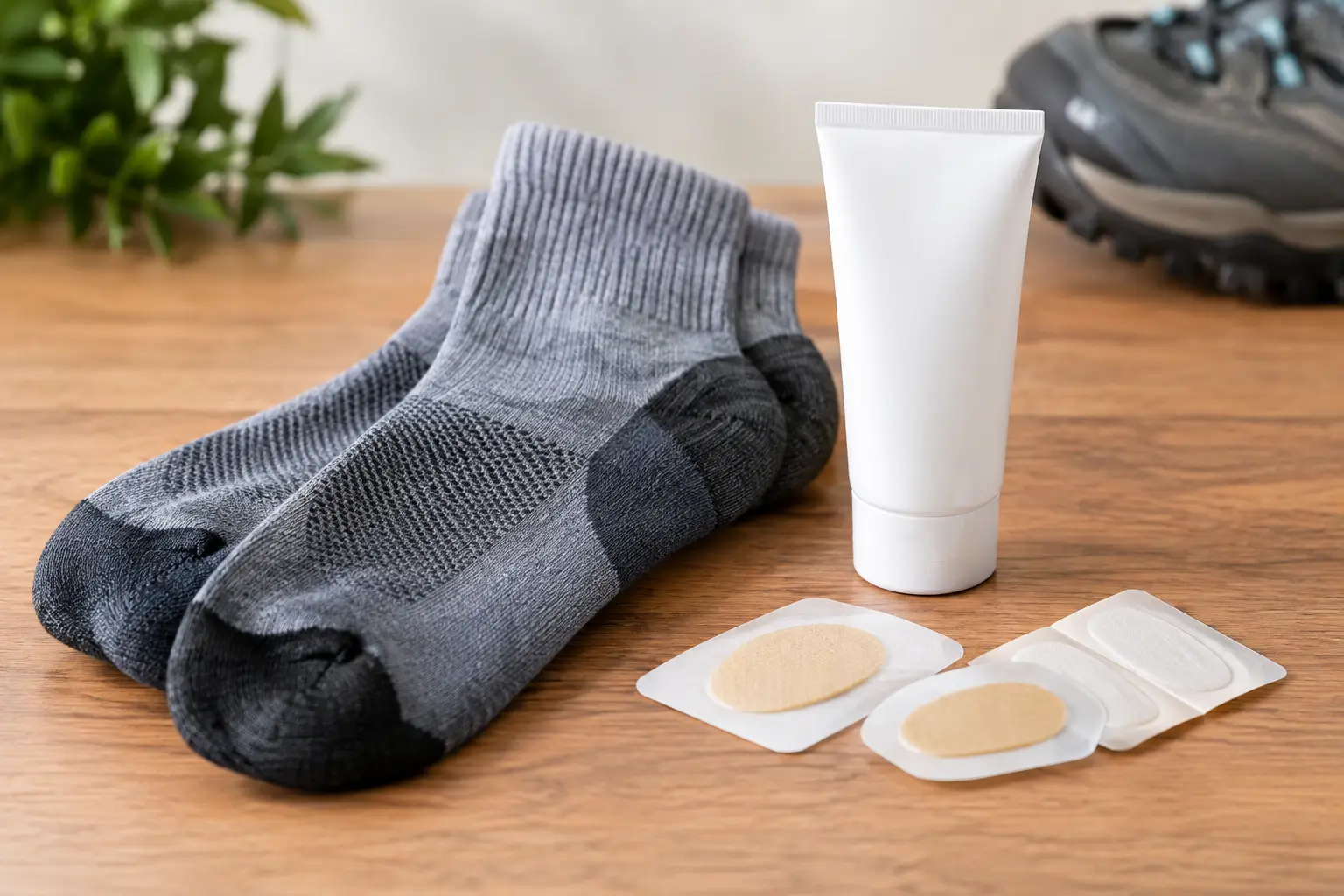
A hot spot can turn a promising long run into a limp home, or make the last miles of a hike feel far longer than they are. In the blister socks versus balm debate, the best answer is rarely about choosing a single winner. Both can reduce the friction that damages skin, but they work in different places and under different conditions.
If your feet repeatedly rub in the same spot, your prevention plan needs to match the cause: sock movement, shoe fit, moisture, pressure, skin-on-skin contact or a combination of all five. Get that right before you set off and your feet can stay focused on the miles, not the irritation.
Blister socks versus balm: the key difference
Blister socks are a clothing solution. Their job is to manage the interface between your foot and footwear. Many are made with technical fibres that move moisture away from the skin, while some use double-layer construction to shift rubbing between two fabric layers rather than against your foot. A close, wrinkle-free fit also matters. A sock that bunches around the toes or slides at the heel can create the very friction it is meant to prevent.
Anti-chafe balm is a skin solution. Applied directly to areas prone to rubbing, it creates a protective, low-friction layer that helps surfaces glide rather than drag. This can be useful around the heel, toes, ball of the foot and along footwear edges, but it is equally valuable beyond the shoe: think inner thighs, underarms, bra lines, waistbands and backpack contact points.
In simple terms, socks help manage fabric, moisture and fit. Balm helps protect exposed friction points on the body. Neither can fully compensate for a shoe that is too small, too loose or badly suited to your stride.
When blister socks are the stronger choice
Technical socks deserve to be the foundation of your foot-care routine, especially for running, hiking and long days on your feet. They remain in place all session, help keep your feet drier and offer a consistent barrier between skin and shoe.
They are particularly useful when the problem is widespread rather than localised. If both feet get sweaty on warm runs, if your skin softens during wet-weather hikes, or if ordinary cotton socks become heavy and creased, a better sock can make a noticeable difference. Cotton absorbs moisture and can stay wet against the skin. A well-fitting performance sock is usually the more reliable choice for sustained activity.
Sock height is practical, too. Crew-length socks can protect ankles and lower legs from boot collars, trail debris and vegetation. Lower-cut socks may feel cooler for road running, but only if they sit above the collar of your shoe and do not slip down mid-run.
The trade-off is that even excellent blister socks cannot target every problem. They cannot protect the exact seam that rubs your little toe, stop your heel sliding in an over-roomy shoe, or help with thigh chafe on a summer walk. They also need changing when soaked. Carrying a dry spare pair on a long hike can be as useful as the pair you start in.
When balm earns its place
Balm shines when you know your personal friction hotspots. Perhaps it is the back of the heel on long runs, the side of a big toe in cycling shoes, or the forefoot during a holiday packed with city walking. A quick application gives you targeted protection without adding another layer of fabric or changing your footwear setup.
It is also the more versatile option for people whose movement goes well beyond training. Apply it before a gym session, commute, travel day, round of golf or warm-weather walk. The same stick can address foot friction and skin-on-skin rubbing elsewhere, which makes it easy to keep in a kit bag, running vest or hand luggage.
Runglide Anti Chafe Balm is designed as that portable layer of invisible armour: a practical, petroleum-free option for the places where movement tends to bite back. The aim is not to make you think about skincare mid-session. It is to help you move with fewer distractions.
Balm does have limits. It needs to be applied to clean, dry, intact skin before friction begins. If you are heading out for several hours in heavy rain, crossing streams or sweating heavily, you may need to reapply where practical. And if a shoe is rubbing because its heel cup is too loose or its toe box is too narrow, balm may reduce irritation but will not correct the underlying fit.
Why using both often works best
For many runners and hikers, blister socks and balm are not competing products. They are a layered defence. Start with shoes that fit well, add socks that stay smooth and manage moisture, then use balm on the specific points that have caused trouble before.
This approach is especially useful for events and conditions that increase friction: a first half marathon, a trail race, a multi-day trek, new footwear, hot weather or long-distance travel. The further you go, the more small imperfections in fit and movement tend to reveal themselves.
Use both when you have a known pattern of blisters despite decent shoes and socks. For example, a runner may wear technical socks but still get rubbing on the inside of the arch. A hiker may have excellent boots yet develop heel hot spots on steep descents. In these cases, targeted balm complements the sock rather than replacing it.
There is one rule worth following: do not save a new prevention strategy for race day. Test socks, shoes and balm on shorter sessions first. Your feet are individual, and the combination that feels perfect for a 5K may behave differently after three hours in wet trail shoes.
Build a friction-prevention routine that lasts
Before activity, check your footwear with the same care you give your training plan. Your toes should have room to spread and swell slightly, particularly in hiking boots and long-distance running shoes. Your heel should feel held rather than lifted. Laces should be secure enough to limit sliding, but not so tight that they create pressure across the top of the foot.
Choose socks based on conditions, not just colour or cushioning. A lightweight technical pair may suit a dry summer run. A slightly more cushioned, higher sock may be better for a long hill day in boots. If you use double-layer socks, make sure the extra thickness does not make your shoes feel tighter.
Then apply balm deliberately. Cover a thin, even layer over the places that normally rub – not every centimetre of your foot. Pay attention to heel edges, toe joints, the ball of the foot and anywhere a sandal strap, shoe seam or orthotic tends to create pressure. Let your own history guide you.
During longer efforts, act at the first sign of a hot spot. Stop briefly, smooth out your sock, check for grit, adjust your lacing and apply more balm if needed. Pushing through a mild warm patch because you are chasing a pace can turn a manageable issue into an open blister that changes your gait.
What to do if a blister has already formed
Prevention products work best before the skin breaks down. If you feel a hot spot, reduce friction immediately. Once a blister has formed, protect it from further rubbing, keep the area clean and avoid popping it unless you have appropriate clinical advice. Open, painful, unusually red or worsening blisters deserve extra care, particularly if you have diabetes, poor circulation or signs of infection.
You do not need an elaborate foot-care ritual to stay comfortable. You need a setup that respects the distance, weather and activity ahead. The right socks provide a dependable foundation; balm gives you precision where your body needs it most. Put both to work before friction gets a vote in where your day ends.