

Blog
Anti Blister Balm for Hiking Boots Review

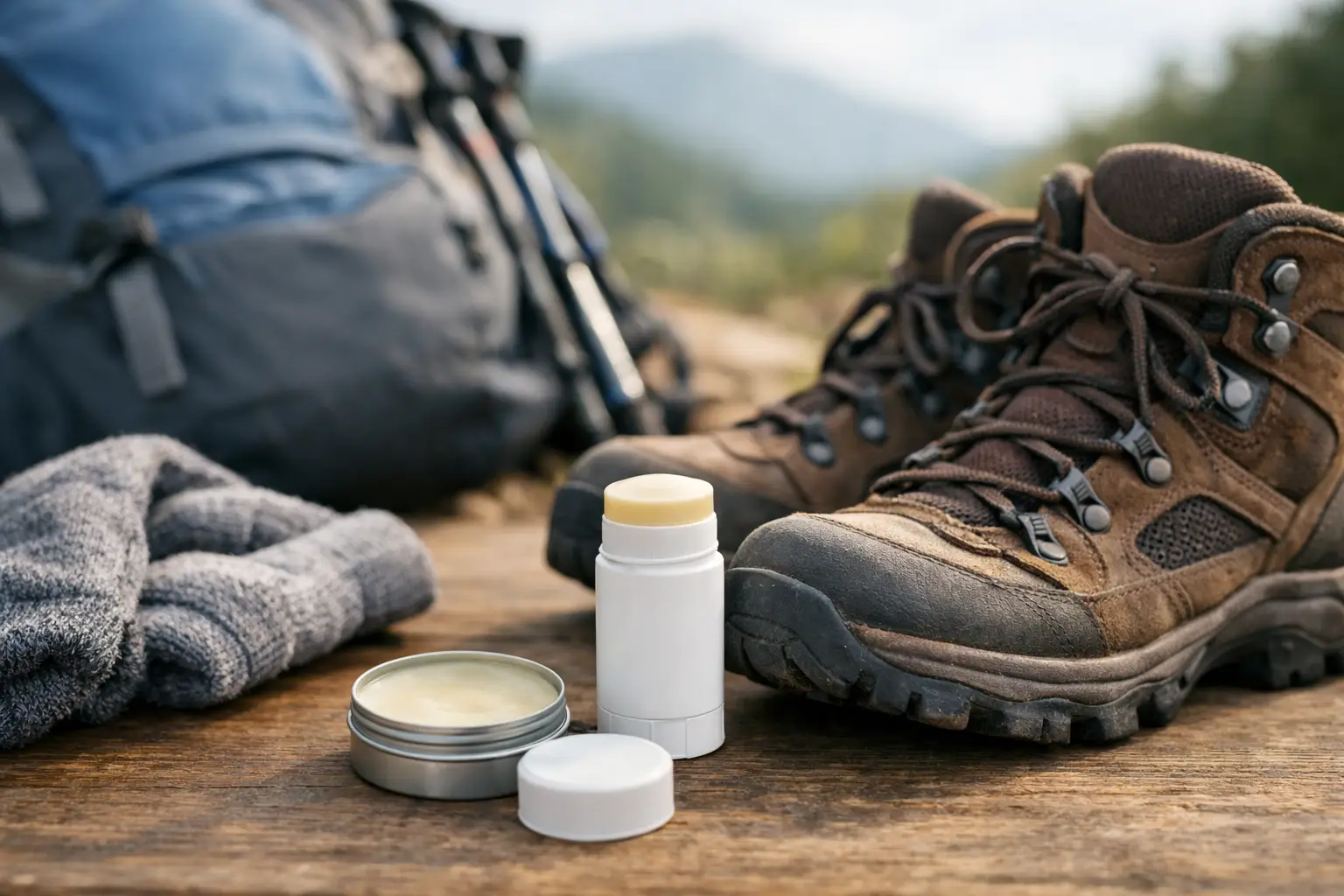
A boot can feel perfect on a quick shop walk, then turn into a friction machine five miles into a steep, wet hike. That is where an anti blister balm for hiking boots review needs to be honest: balm is not magic, but applied well, it can be the small piece of kit that keeps a hot spot from becoming the reason you cut a good day short.
For walkers, trail runners and multi-day trekkers, the value is simple. An anti-blister balm creates a protective, low-friction layer between skin, sock and boot. Less drag on the skin means fewer painful pressure points, fewer blisters and more freedom to keep moving.
What an anti-blister balm actually does
Most hiking blisters begin with repeated rubbing. Your foot moves slightly inside the boot, especially on long descents, side slopes, wet ground or in warm conditions when sweat softens the skin. That movement creates heat. Keep going, and a hot spot can become a blister.
A good balm helps reduce that friction before it builds. Think of it as invisible armour for the places your footwear tends to punish first: heels, toes, the balls of the feet and the sides of the forefoot. It does not replace well-fitting boots or sensible socks. It gives a strong footwear set-up extra protection when the miles, weather and terrain start asking more of your feet.
The best time to use it is before you feel discomfort. Once skin is already raw or a blister has formed, the priority changes to protecting the area, reducing pressure and avoiding infection. Prevention is where balm earns its place in a hiking pack.
Anti blister balm for hiking boots review: what matters
Not every anti-chafe product feels right inside a boot. A useful hiking balm must reduce friction without making your foot feel slippery, leaving your socks unpleasantly greasy or wearing off before lunch. The format matters too. On the trail, you want something compact, clean and quick to apply at a gate, a summit stop or before setting off again.
It should stay where you put it
Hiking asks more of a balm than a short gym session. Heat, moisture, mud and repeated impact all test its staying power. A balm that disappears after an hour may still help on a gentle local walk, but it is less convincing for a full-day route or a trek with a loaded pack.
Look for a protective feel that remains comfortable as your feet warm up. Some people prefer a lighter layer in summer; others need a more substantial barrier for long descents or stiff leather boots. The right amount is usually a thin, even coating, not a thick application that can bunch up inside your sock.
It should feel practical, not messy
A stick is particularly useful for hiking because you can apply it directly without coating your hands. That matters when you are tying laces, checking a map, opening food or grabbing trekking poles. It also makes targeted application easier: one pass over the heel edge, a little across the toes, then socks on.
For active people who prefer a petroleum-free, oil-free and cruelty-free option, Runglide RG Anti Chafe Balm is built around that straightforward job: reducing friction in a portable stick format, without turning preparation into a ritual.
It should work with your sock system
Balm works alongside socks, not instead of them. A smooth, moisture-managing hiking sock can reduce rubbing and help keep skin drier. Wrinkled, worn-out or overly loose socks can undo much of the benefit of any product.
If you use liner socks, apply balm to clean, dry skin first, then put on the liner and outer sock carefully. Check that there are no folds around the heel and toes. On a long hike, changing into a dry pair of socks can be as useful as reapplying balm.
Where to apply balm before a hike
Your previous blisters are the best route map. If you always rub the outside of your little toe, treat that area before each significant walk. If downhill sections catch your heels, protect the heel and Achilles area before you lace up.
For first-time use, focus on the usual problem zones: the back and sides of the heel, the balls of the feet, between or around toes that rub, and any bunion, seam line or pressure point you know your boots create. Apply only to intact skin. If an area is broken, blistered or shows signs of infection, avoid putting balm directly on it and protect it appropriately instead.
Do not forget that each pair of boots can behave differently. Lightweight trail shoes may create friction around the toe box, while high boots can irritate the ankle or heel collar. New boots and new insoles are especially worth treating with caution, even if they felt fine indoors.
The limits: when balm will not solve the problem
A candid review has to say this clearly: if your boot fit is wrong, balm is not the full answer. Boots that are too short will keep driving your toes into the front on descents. Boots that are too wide may allow excess movement. A stiff seam, poorly positioned insole or a heel that lifts with every step can create relentless friction.
Pay attention to the pattern. A single hot spot after an unusually long walk may be solved by balm and better sock management. The same blister in the same place every time is a signal to reassess the fit, lacing or footwear itself.
Lacing can make a major difference. Tightening the heel area before a descent can reduce slide, while leaving more room across the forefoot may prevent toe pressure. Give your feet a quick check at the first break rather than waiting for pain. A warm, tender patch is your chance to act early.
Weather changes the equation too. In dry heat, sweat and swelling can increase friction. In heavy rain, saturated socks can soften the skin and make it more vulnerable. Pack spare socks, and use balm generously but sensibly before the sections where you know your feet will work hardest.
A realistic trail routine for fewer blisters
The strongest approach is uncomplicated. Start with boots that have been properly worn in, socks that fit without creases and toenails trimmed short enough not to catch. On clean, dry feet, apply balm to your known friction zones. Put socks on carefully, lace your boots with the terrain in mind and carry your balm somewhere easy to reach.
On longer routes, stop before discomfort becomes pain. Remove your boot if needed, dry the foot, smooth the sock, reapply a light layer and adjust your lacing. This is not overthinking it. It is the same practical maintenance as topping up water or putting on a waterproof before the rain arrives.
For a multi-day hike, clean and dry your feet fully each evening. Give them air where possible, change socks and pay attention to any area that feels tender. A small issue managed at camp is far less likely to become a painful problem the next morning.
Is anti-blister balm worth carrying?
For anyone who has had to limp through the last stretch of a hike, the answer is usually yes. A small stick takes up almost no room and addresses one of the most common, preventable causes of discomfort on foot. It is especially worthwhile for new boots, hot weather, hill walks with long descents, charity treks, travelling days and any route where stopping early is not a convenient option.
It may not be necessary for every relaxed walk on familiar ground. But hiking plans have a habit of becoming longer, wetter and hillier than expected. A balm gives you an easy way to prepare for that reality without adding bulk to your kit.
Your goal is not to think about your feet every mile. Apply protection before you start, respond quickly to the first hint of friction, and let the route be the thing you remember.