

Blog
Anti Chafe Balm for Marathon Training Guide

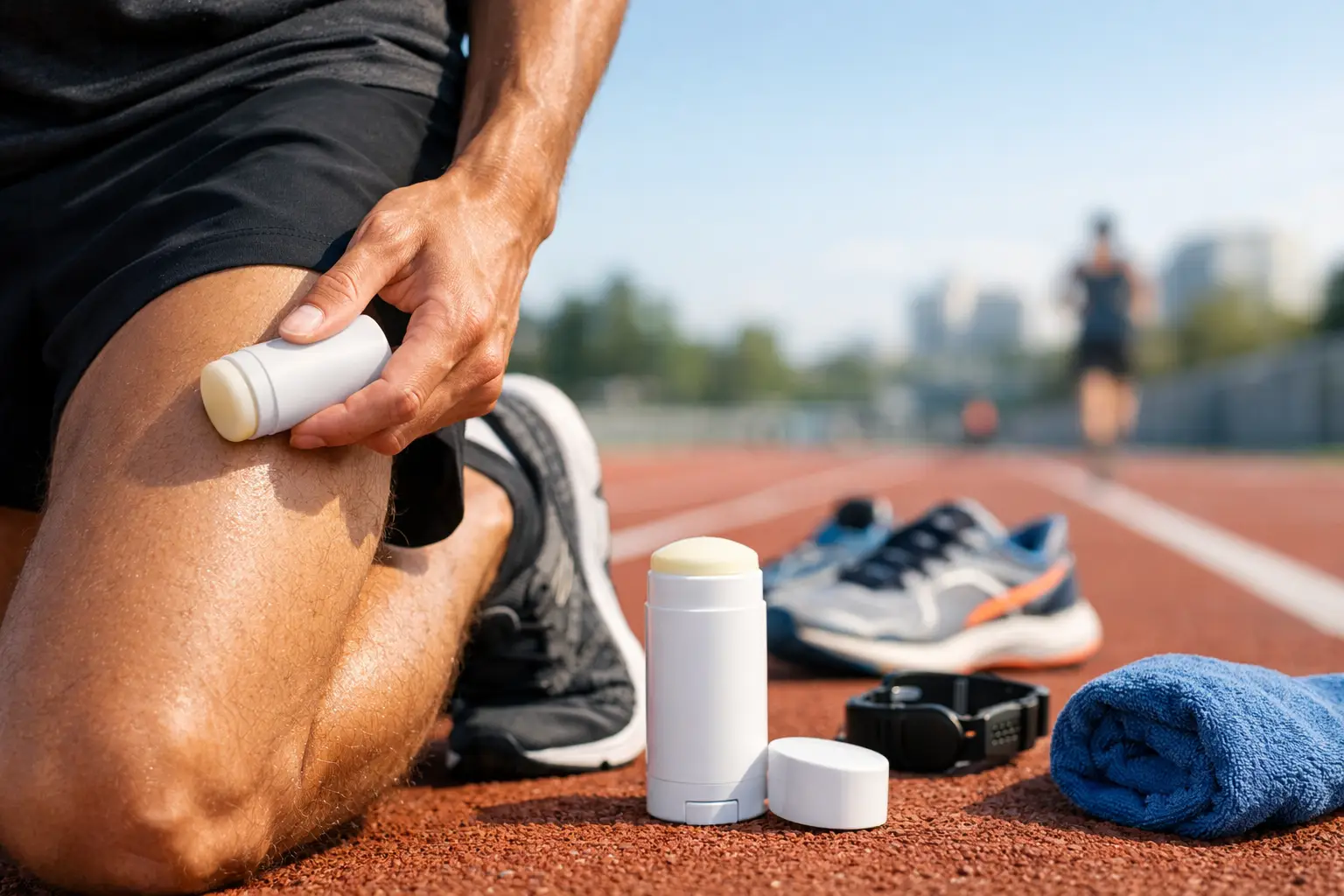
The run that exposes a weak point is rarely your fastest one. It is the slow, damp 28-kilometre training run when your waistband starts to rub, your socks shift, and a tiny hot spot becomes all you can think about. This anti chafe balm for marathon training guide is about stopping that distraction before it steals attention from your pace, fuelling and finish line.
Chafing is not a sign that you are doing marathon training wrong. It is a predictable result of repeated movement, sweat, heat, fabric and skin. The solution is equally practical: identify where friction begins, protect those areas consistently, and make anti-chafe preparation part of your kit routine rather than a last-minute rescue.
Why chafing gets worse as marathon mileage rises
A short easy run can hide problems that show up after two hours. As distance rises, sweat softens the skin, salt dries on the body, clothes hold moisture, and every stride repeats the same contact point thousands of times. A seam that feels harmless at kilometre five can feel sharp by kilometre 25.
Your body can change through a training block too. Warmer weather, a new pair of shorts, a different sports bra, rain, weight fluctuations, or simply longer time on your feet can alter how clothing and skin move together. That is why a reliable anti-chafe routine belongs alongside checking your shoes, planning your water and practising race-day nutrition.
The common sites are familiar: inner thighs, groin, underarms, nipples, bra lines, lower back, waistband edges, toes, heels and the arches of the feet. Cyclists and cross-training runners may also need protection where saddle, straps or equipment create pressure. The pattern is personal, so treat your own hot spots as useful data, not an annoyance to ignore.
Anti chafe balm for marathon training: where to apply it
Apply balm to clean, dry skin before you get dressed or before your final toilet stop. A stick makes this fast and precise. Use enough to create a light, even protective layer, particularly over the full area where rubbing occurs. A quick swipe on one painful point may not cover the route that a seam or thigh actually travels during a long run.
For inner-thigh chafing, apply across the area that makes contact as you stride, not only where skin already feels sore. For a waistband or bra line, follow the complete line of contact. For feet, cover known blister zones such as heels, toe edges or the ball of the foot, then put on dry, well-fitting socks. Avoid applying so heavily that you make putting on socks or clothing difficult.
Do not wait for a sting. Anti-chafe balm works best as prevention, creating a friction-reducing barrier before movement begins. If you are prone to severe rubbing, carry your stick on long runs and reapply at an aid-station-style stop, after a toilet break, or whenever you change damp clothing. Reapplication matters most in high heat, rain and sessions lasting several hours.
Runglide RG Anti Chafe Balm is designed as portable, everyday invisible armour for the places friction tries to slow you down. Its stick format makes it easy to keep in a running belt, kit bag or race-morning pocket, so protection is one less thing to overthink.
Test your routine on long runs, not race morning
Your longest training runs are rehearsals for more than pacing. They reveal whether your shorts ride up, whether a vest rubs at the neck, and whether a certain sock-and-shoe combination creates a hot spot. Use these runs to test your balm placement and how often you need to top up.
Change one variable at a time where possible. If you buy new shorts and try a new balm application pattern during the same 30-kilometre run, it is harder to know what solved the problem. Once you find what works, repeat it. Marathon preparation rewards boring consistency.
Make your clothing work with the balm
Balm is powerful protection, but it cannot completely compensate for kit that is badly fitted, worn out or unsuitable for the conditions. Choose running clothing that stays put when wet and does not have rough seams in your known friction zones. Wash kit after use, as dried salt and detergent residue can make fabric feel less comfortable against the skin.
For feet, make sure shoes have enough room for natural swelling on long runs. Cramped toe boxes, loose heels and worn socks are blister risks that balm alone cannot fix. If one shoe consistently rubs, review the fit and lacing rather than applying more product and hoping for the best.
There is a trade-off with compression gear. Some runners find close-fitting shorts reduce thigh-on-thigh contact, while others notice more heat and pressure around seams. The right choice depends on your body, pace, weather and how long you will be running. Test the whole system: underwear, shorts, top, socks, shoes and balm.
Sweat, rain and heat change the plan
Hot weather means more sweat and more salt, so use a generous, even layer and consider taking balm with you. In wet conditions, soaked socks and fabric can increase rubbing quickly. A dry spare pair of socks after a long, rainy run can be as valuable as a reapplication.
Cold days are not automatically chafe-free. Layers can trap moisture, and wet base layers can rub around the neck, underarms and waist. The mistake is assuming that because you are not overheating, your skin needs no protection. Let the duration and your personal hot spots guide you.
Protect skin without masking a kit problem
A little redness after a hard session can happen, but raw skin, bleeding, open blisters or pain that changes your stride deserve attention. Stop rubbing the area, gently clean it, keep it dry and give it time to recover. Do not apply balm to broken skin unless the product directions specifically say it is suitable to do so.
If chafing returns in the same exact spot despite consistent balm use, investigate the cause. Look for a loose label, worn seam, rough bra clasp, sock fold, shoe edge or running belt buckle. Persistent, spreading, infected or unusually painful irritation should be assessed by a healthcare professional.
The goal is not to toughen yourself up by running through preventable pain. Marathon training already asks plenty of you. Protecting your skin helps you train with better focus, recover more comfortably and turn up for the next session ready to build again.
A simple race-week anti-chafe plan
Do not make race day your first experiment. In the final week, pack the same clothing and socks you wore successfully on your key long runs. Check that your balm stick is not nearly empty, and keep it somewhere obvious with your bib, gels or safety pins.
On race morning, apply before dressing to every proven friction point, even if the forecast looks cool. Cover the areas that have caused problems in the past rather than reacting to what might happen. If your marathon allows a small carry item, bring the stick for a mid-race reapplication. If not, make your pre-run application thorough and choose kit you trust.
After the finish, change out of damp clothing promptly. Clean sweat and salt from your skin, inspect any tender areas, and treat small hot spots early. A comfortable recovery is not vanity. It helps you enjoy the achievement you trained months for.
Your marathon is a long chain of small decisions made well: the easy run you did not skip, the breakfast you practised, the shoes you broke in, and the friction protection you remembered before leaving the door. Build that small act into every long run, and keep your energy for the part that matters – moving forward.