

Blog
Activewear Fabric Chafing Guide for Workouts

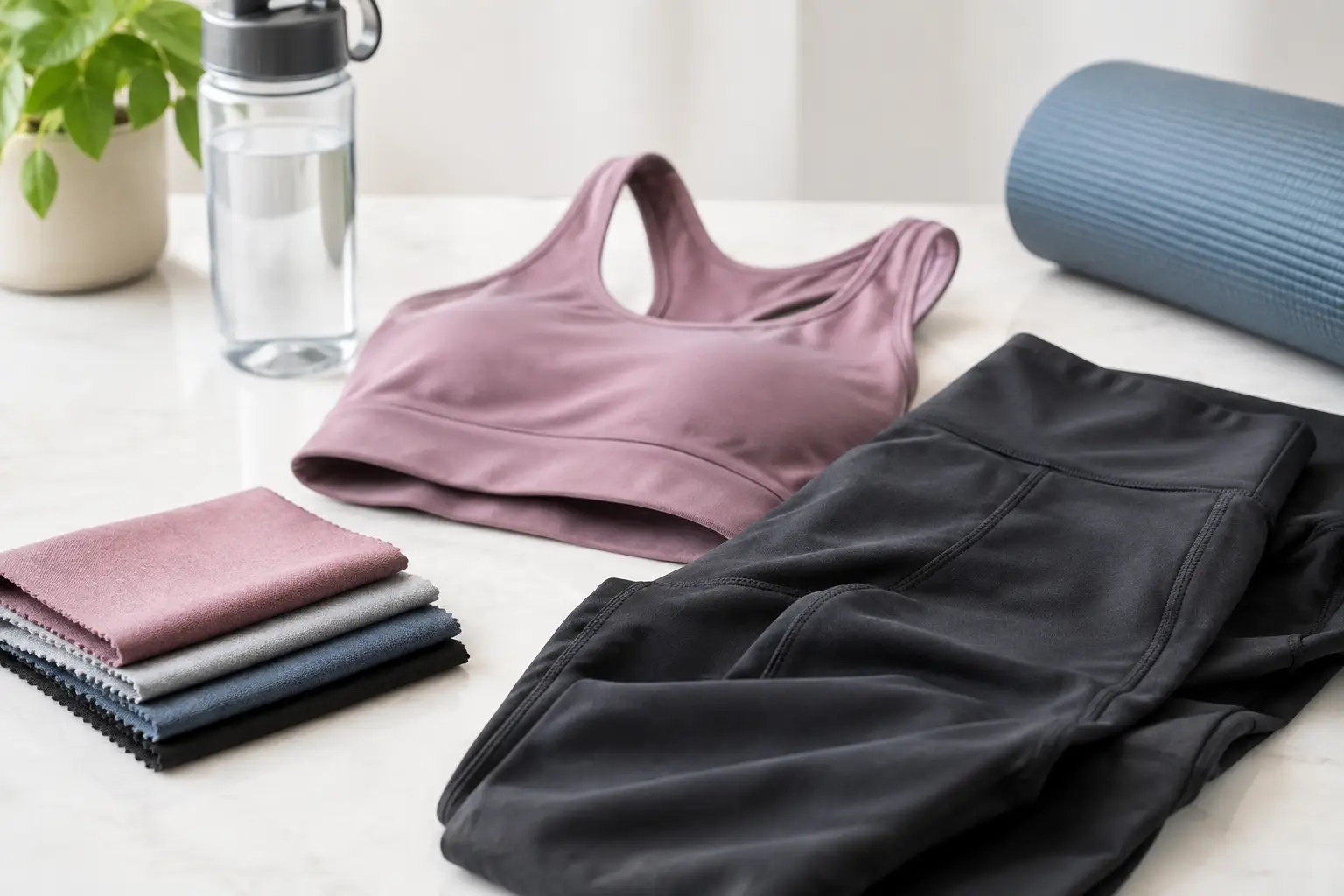
A run can feel perfect until the sting starts at mile three. A hike can be cut short by rubbing under a backpack strap. Even a gym session can leave you sore where a waistband, sports bra or inner-thigh seam has repeatedly caught the skin. This activewear fabric chafing guide helps you spot the clothing details that make friction worse, then choose kit that lets you keep moving with confidence.
Chafing is not a sign that you are unfit, overdressed or doing something wrong. It is the predictable result of friction, heat, moisture and repeated movement. The right fabric matters, but it is only one part of the picture. Fit, seam placement, weather and the length of your activity all decide whether your kit feels like support or becomes a source of irritation.
Activewear Fabric Chafing Guide: Start With Moisture
Sweat does not cause chafing on its own, but damp skin and damp fabric create more drag. Once material is saturated, it can cling, shift and repeatedly rub the same area. That is why a top that feels fine for a quick weights session may become uncomfortable during a long run, a summer walk or a full day on the trail.
For most high-sweat activities, synthetic technical fabrics are a practical starting point. Polyester is common because it is lightweight, durable and designed to move moisture away from the skin. Nylon often has a smoother, softer hand feel and can work particularly well in leggings, shorts and close-fitting base layers. Both are useful, but neither is automatically chafe-proof. A rough knit, a poorly placed seam or a fit that constantly rides up can still cause trouble.
Look for fabrics described as moisture-wicking, quick-drying and smooth against the skin. Those terms are not a guarantee, so trust how the garment feels when you move in it. Rub the material gently between your fingers. If it feels abrasive in the changing room, it is unlikely to improve after an hour of sweat and motion.
What Each Popular Fabric Does Well
Polyester: reliable for high-output sessions
Polyester is a dependable choice for running, gym work and team sports because it dries relatively quickly and keeps its shape. It is widely available, often affordable and works well in lightweight layers. The trade-off is that some polyester fabrics can hold odour and feel less soft than nylon or merino. Choose a fine, smooth weave for areas prone to rubbing, especially underarms, the chest and the inner thighs.
Nylon: smooth and strong for close-fitting kit
Nylon blends are common in running tights, cycling shorts and supportive tops. The fabric is hard-wearing, stretchy and often feels slicker against the body than standard polyester. That smoothness can reduce friction, provided the garment stays in place.
Nylon is especially useful when you need coverage without bulk, such as longer shorts for thigh rub or leggings for cool-weather running. The caution is heat. A heavier nylon garment may feel warm in humid conditions, leading to more sweat and, eventually, more rubbing. For hot weather, seek a lighter-weight version or breathable panels that do not sit directly on a high-friction area.
Merino: comfortable when conditions change
Merino wool is a strong option for walking, trekking and travel, particularly when temperatures rise and fall through the day. Fine merino can regulate temperature well, resist odour and remain comfortable when damp. It is not only for winter.
However, merino is not the obvious choice for every hard interval session or very humid run. It can take longer to dry than a lightweight synthetic, and cheaper or coarser wool blends may feel itchy. If you are prone to chafing, choose fine-gauge merino and test it on a shorter outing before relying on it for an all-day hike.
Cotton: comfortable at rest, less helpful when soaked
Cotton feels soft and breathable at the start of an activity, which explains its appeal for casual gym sessions and everyday wear. The problem is what happens after you sweat. Cotton absorbs moisture, becomes heavier and stays wet for longer. That wet fabric can bunch and rub, particularly under backpacks, around waistbands and between the thighs.
Cotton is not forbidden, especially for low-sweat movement or relaxed walking. But for running, cycling, long hikes and warm-weather training, a quick-drying fabric will usually give your skin a better chance.
Fabric Alone Cannot Fix a Poor Fit
A garment that is too loose can move against the skin. One that is too tight can dig in, trap heat and create pressure points. The best fit is activity-specific: close enough to stay put, with enough stretch to move naturally.
For runners and walkers, shorts should not creep upwards with every stride. Longer inseams can help prevent inner-thigh friction, but only if the fabric remains smooth rather than rolling at the hem. For cyclists, padded shorts need to sit flat against the skin and should generally be worn without underwear, as extra layers introduce more seams and movement.
Sports bras deserve the same scrutiny as running shoes. Check the underband, armholes, straps and any hooks or adjusters. A bra can be highly supportive yet still chafe if its edge repeatedly catches damp skin. For longer sessions, choose soft binding, covered hardware and a fit that does not shift as you lift, run or reach.
The Details That Often Cause the Real Problem
Seams are where good fabric choices can fail. Raised, thick or badly positioned seams can rub with every repetition. Flatlock seams are usually a safer choice because their edges lie flatter against the skin. Seamless styles can also be comfortable, though “seamless” does not mean friction-free: bonded edges, labels and fabric texture still matter.
Before committing to a new top, pair of leggings or hiking socks, inspect these areas closely:
- Inner thighs and the crotch gusset, where stride creates constant contact.
- Underarms and side seams, especially on running tops and vests.
- Waistbands, drawcords and pockets that can press or bounce.
- Bra bands, straps and closures, where sweat and repetitive movement meet.
- Toes, heels and ankle cuffs, where a sock or shoe can create a hot spot.
Remove scratchy labels where possible, and be wary of decorative stitching in high-contact zones. A stylish zip pocket at the lower back may be fine for a coffee walk but irritating on a long run with a hydration belt.
Build Your Kit Around the Activity
The fabric that works for a cool 5K will not always be your best option for a humid hike in the Alps or a long cycle in the rain. Plan for the movement, duration and weather rather than buying one “perfect” fabric.
For running, prioritise quick-drying, smooth synthetics, minimal seams and shorts or tights that do not shift. For hiking, durability and temperature regulation matter more, so nylon blends or fine merino layers can be excellent choices. For strength training, you may prefer a softer, stretchier fabric, but still watch for waistbands or tops that ride up during squats and overhead work.
Travelling presents its own friction challenges. Long days on your feet, warm climates and unfamiliar clothing can turn mild rubbing into sore skin. Comfortable, quick-drying underwear and shorts are often more valuable than another fashionable layer in your bag.
Protect Skin Before the Rubbing Starts
Even well-chosen activewear has limits. Rain, heat, salt from dried sweat, a new route or an unexpectedly long session can change the conditions quickly. That is where a friction barrier earns its place in your kit.
Apply an anti-chafe balm to known problem areas before activity: inner thighs, underarms, bra lines, waistbands, feet or anywhere equipment rubs. It reduces skin-on-skin and fabric-on-skin drag, giving you a layer of invisible armour when clothing alone cannot do the whole job. Runglide Anti Chafe Balm is designed as a portable, petroleum-free option for training days, long walks and everyday movement.
If you already have broken skin, give it time to recover and avoid products that sting or aggravate the area. Persistent rashes, swelling, warmth, discharge or pain that worsens deserve advice from a pharmacist or healthcare professional.
Your best activewear is not necessarily the softest piece on the rail or the most expensive one. It is the kit that stays dry enough, sits still and leaves your skin alone. Test it, adjust it and protect the areas that work hardest. Then put your focus back where it belongs: the next mile, climb, lift or adventure ahead.