

Blog
Anti Blister Products for New Shoes That Work

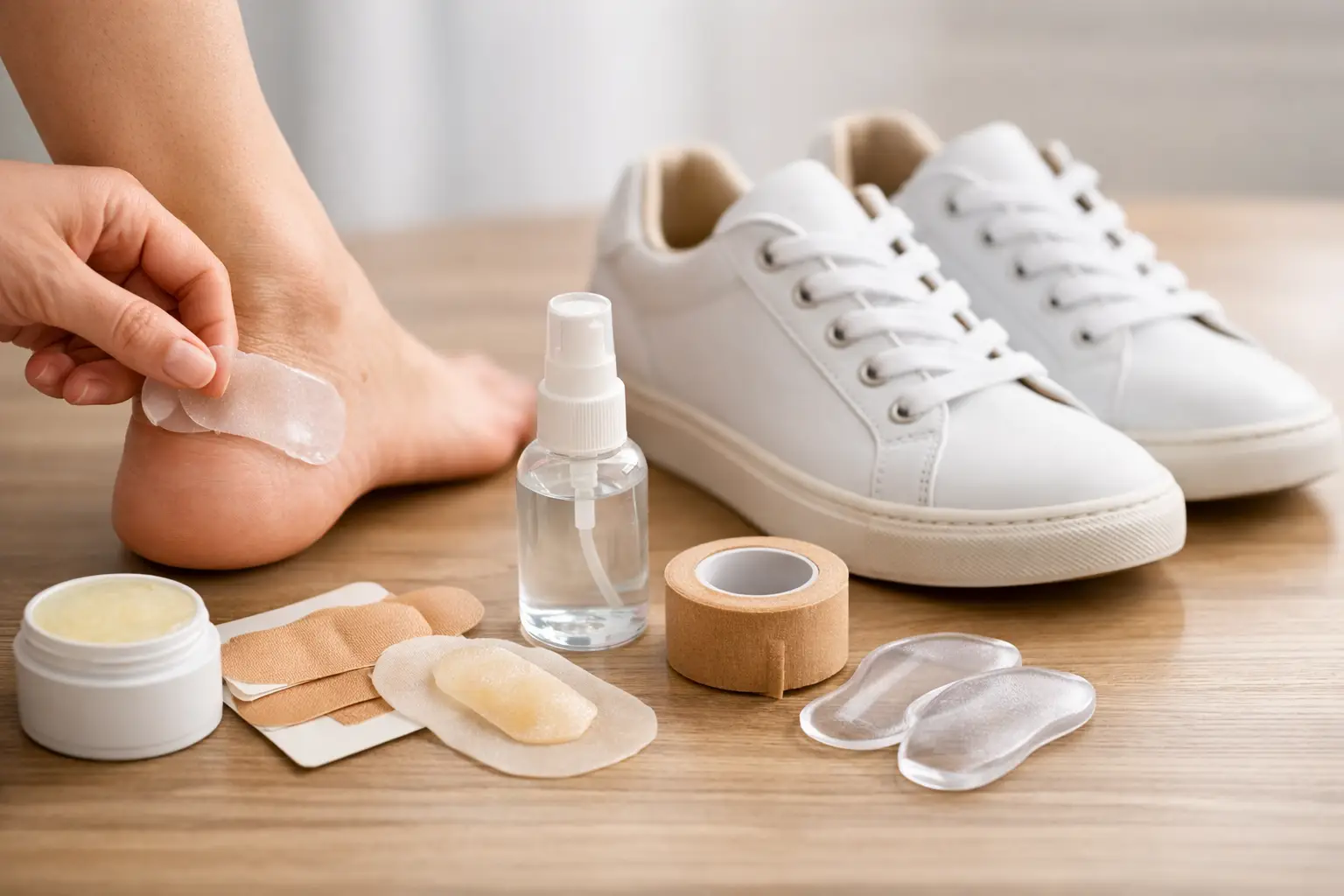
That fresh-out-of-the-box feeling can disappear fast when a stiff heel counter starts rubbing with every step. The right anti blister products for new shoes protect the places most likely to suffer before redness turns into a painful blister. Whether you are breaking in trainers for a 10K, boots for a long hike or smart shoes for work, friction prevention lets you focus on moving forward instead of limping home.
New shoes do not automatically mean bad shoes. Materials need time to flex, seams can sit differently than expected and your feet may move slightly as the day gets warmer. The goal is not to wait for the pain and patch it up afterwards. It is to create a low-friction barrier from the first wear.
Why new shoes cause blisters
A blister forms when repeated rubbing separates layers of skin and fluid fills the gap. Heat, sweat and pressure make that process quicker. New footwear is especially prone to it because the upper and lining have not yet softened around the shape of your foot.
The usual trouble spots are the back of the heel, sides of the big toe, little toe, ball of the foot and the top of the foot beneath laces or straps. A shoe can feel fine while standing still and still create a hot spot after twenty minutes of walking. That is why prevention works best when it happens before your first long outing.
Fit still matters. No product can fully compensate for a shoe that is too small, too narrow or slipping noticeably at the heel. Anti-blister protection reduces the friction that normal breaking-in creates. It should not be used to force an uncomfortable pair into working.
How anti blister products for new shoes prevent rubbing
The most useful products work in one of two ways. Some protect your skin by creating a smooth, breathable layer that helps surfaces glide rather than drag. Others modify the shoe or cover a vulnerable area to spread pressure and reduce movement.
A friction-reducing balm is often the simplest first step. Applied directly to clean, dry skin, it creates an invisible barrier on areas where you know you rub. Unlike a plaster, it can protect a larger area without adding bulk inside the shoe. It is particularly useful for heel edges, toes, arches, straps and the sides of the foot.
For active days, choose a balm that stays put through warmth and sweat without leaving your feet feeling greasy. Runglide Anti Chafe Balm is designed as a portable, petroleum-free option for reducing friction during training and everyday movement, making it easy to keep in a kit bag, desk drawer or travel bag.
Barrier products have a different role. They cover a small, specific spot that is already tender or predictably exposed to rubbing. They can be highly effective, but placement matters. If the edge of a patch sits in the wrong place, it can create a new rubbing point. Apply it to clean, dry skin and smooth it down fully before putting your socks on.
Shoe-based solutions are valuable when movement is the main problem. A heel grip can reduce slipping in a slightly loose shoe, while cushioning pads can soften a hard seam or a firm edge. They are not always the answer, though. Adding too much padding can make a close-fitting shoe tighter, increasing pressure at the toes.
Choose the right protection for the problem
The best product depends on where the friction starts and how you plan to wear the shoes. Think about the source, not just the sore spot.
- Use anti-friction balm for broad or recurring rubbing, especially on heels, toes, arches and areas affected by straps.
- Use blister plasters or protective tape for one small, high-risk point, such as a toe that catches on a seam.
- Use heel grips when the heel is lifting up and down in the shoe.
- Use cushioned pads when a hard edge, stitch or hardware presses into one area.
- Use technical socks when sweat and fabric bunching are adding to the problem.
For a run, hike or full day on your feet, balm and well-fitting technical socks are often the most comfortable combination. For dress shoes worn to an event, a small heel patch or discreet heel grip may make more sense. For walking boots, address the fit first, then use a friction barrier on known hot spots before setting off.
Prepare your shoes before a big day
Do not make a race, city break or wedding the first proper outing for a new pair. Wear them indoors for short periods with the exact socks you plan to use. Walk on different surfaces, take the stairs and notice where your foot shifts. A five-minute check can reveal a heel that lifts or a toe box that pinches before you are miles from home.
When you identify a hot spot, act on it immediately. Apply balm before the next wear rather than waiting for the skin to become red. If the shoe is rubbing in one precise place, try a protective patch or adjust the lacing so your foot sits more securely. A runner’s lock lacing technique can be especially helpful when the heel is moving in a trainer that otherwise fits well.
Gradual wear helps stiff materials soften, but avoid shortcuts that damage the shoe. Soaking footwear, blasting it with heat or aggressively bending it can weaken glues and change the fit in unhelpful ways. Consistent short wears are slower, but they give both your shoes and your skin time to adapt.
Do not overlook socks and moisture
A brilliant anti-blister product can be undermined by the wrong socks. Cotton can hold moisture against the skin during longer activity, increasing drag. Look for socks that manage moisture, fit closely without bunching and have smooth toe seams. For hiking or long-distance running, slightly cushioned technical socks may offer useful protection, provided they do not make the shoe too tight.
Bring a spare pair for long walks, travel days and endurance events. Changing out of damp socks can make a bigger difference than people expect. If you tend to sweat heavily, applying balm more generously to your known friction points and checking your socks mid-activity is a sensible routine.
What to do if you already feel a hot spot
A hot spot is your early warning system. Stop when practical, take off the shoe and sock, and inspect the area. If the skin is intact, dry it, apply an anti-friction barrier or protective covering, then deal with the cause. Re-tie your laces, smooth a wrinkled sock or add a heel grip if the shoe is slipping.
If a blister has already formed, protect it from more rubbing and keep the area clean. Avoid popping it unless you have a clear reason and know how to manage it hygienically. Broken skin raises the risk of infection, particularly on long hikes or when you cannot easily keep the area clean. Seek professional advice if you notice spreading redness, warmth, swelling, pus or increasing pain.
Build protection into your routine
The strongest approach is simple: use the right shoe, wear the right sock and apply protection before friction begins. Keep a stick balm where you get ready to train, and place plasters or tape in your running belt, hiking pack or work bag for backup. Prevention takes seconds, while a blister can disrupt several days of movement.
Your new shoes should take you somewhere, not hold you back. Give them a thoughtful break-in period, protect the areas that work hardest and step out knowing comfort is part of your performance.