

Blog
Women Anti Blister Stick Review for Active Feet

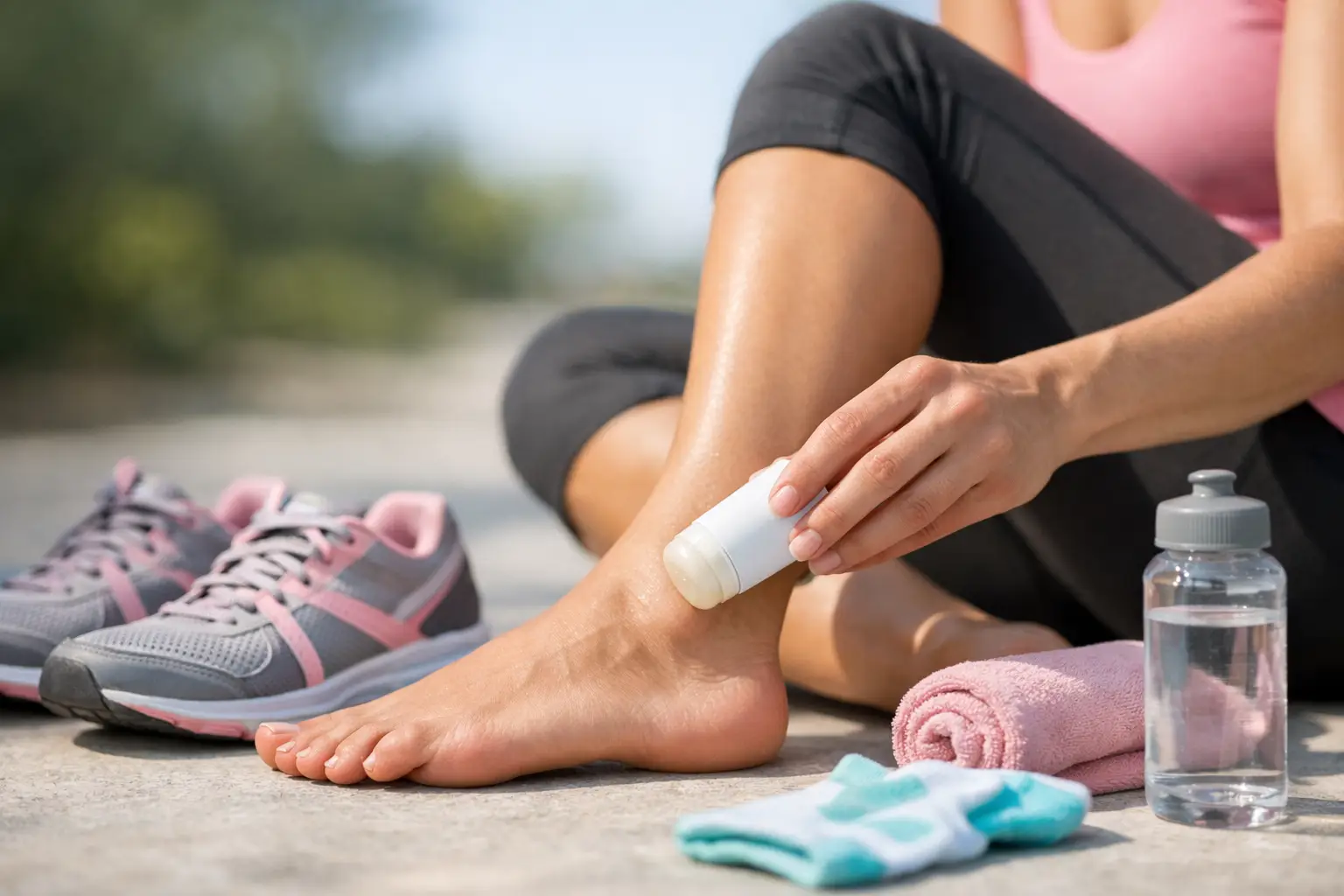
A blister rarely starts as a dramatic problem. It begins as a warm patch on the back of the heel, a rub beneath a sandal strap, or a toe that feels slightly tender halfway through a walk. Leave it alone and that small hot spot can decide whether you finish your run, enjoy your city break, or spend the next few days avoiding a pair of shoes. This women’s anti-blister stick review looks at what a friction-prevention stick should actually do, who benefits most, and how to get dependable protection from it.
An anti-blister stick is not a miracle fix for shoes that are completely wrong for your feet. It is, however, a smart piece of kit for reducing the friction that turns normal movement into painful rubbing. Applied before activity, it creates a protective glide on common problem areas so skin, socks, footwear and straps move with less resistance.
Women’s anti-blister stick review: what matters most
The best anti-blister sticks are simple enough to use in seconds, yet reliable enough to earn a place in your running belt, gym bag or handbag. For active women, the real test is not how polished the packaging looks. It is whether the stick stays comfortable when you are warm, walking for hours, training in damp conditions, or wearing footwear that places pressure in awkward spots.
A good formula should apply smoothly without dragging delicate skin. If it feels waxy, crumbly or difficult to spread, it is less likely to be used consistently. The point is prevention, so convenience matters. You want to swipe it on before leaving the house, not spend ten minutes trying to prepare your feet.
It should also feel light. Heavy, greasy products may help create slip initially, but they can leave feet feeling unpleasant inside socks or encourage grit to cling to exposed areas. For legs and body hotspots, an overly oily layer can transfer to clothing. A clean, dry-feeling glide makes it much easier to use the product for both sport and everyday comfort.
Finally, assess portability. A stick format is useful because it is controlled, mess-free and easy to reapply without covering your hands in balm. That counts after a long hike, at a race start line, or when a new pair of loafers starts making itself known during a day at work.
Why a women-specific stick can make sense
Friction is not exclusively a women’s issue, and skin protection does not need gendered marketing to work. Yet a women-specific option can still be useful when it is designed around how customers actually use it: with running leggings, skirts, cycling shorts, walking shoes, sandals, boots and everyday trainers.
The areas needing protection can extend well beyond the heel. Many women use anti-friction balm on the inner thighs, under bra bands, beneath the arms, around sports-bra seams, at waistbands and anywhere clothing repeatedly rubs during movement. On the feet, sandal straps, the sides of the big toe, little toes and the top of the foot can all be vulnerable depending on the shoe shape.
That makes a versatile formula more valuable than one marketed solely for runners. Your needs may change from a wet 10K to a summer holiday, from a treadmill session to a full day exploring on foot. A practical stick should be ready for all of it.
Runglide’s women-specific anti-chafe balm is built for this wider reality: targeted friction protection in a compact stick, without petroleum or oils, for people who want to keep moving rather than manage discomfort.
How anti-blister sticks perform in real situations
Running and gym sessions
For runners, blister prevention is often about repeated contact. A sock seam, a heel counter or a shoe that fits differently once feet swell can create friction over thousands of strides. Apply a stick to clean, dry skin before putting on socks. Concentrate on known hotspots rather than coating the whole foot unnecessarily.
At the gym, friction can appear in less obvious places. Rowing, incline walking, circuit sessions and fitted training clothing can cause skin-on-skin rubbing or seam irritation. A balm stick is particularly helpful when you know a workout will involve sustained repetitive movement, heat or sweat.
The trade-off is that no topical product can compensate for worn-out trainers, bunched socks or a shoe that is too small. If you repeatedly blister in the same spot despite using a stick, inspect your footwear fit and your sock choice. Prevention works best as a system.
Hiking, walking and travel
Long walks are where a small hotspot becomes a big deal. Hiking boots may feel excellent for the first hour, then rub once your feet warm up or encounter hills. City walking can be equally demanding, particularly when travelling with footwear that has not been worn in properly.
Use the stick before the first step, not when the skin has already broken. For longer days, keep it accessible so you can reapply at a rest stop if needed. If you are prone to blisters in wet conditions, consider your socks and shoe drying plan too. Moisture softens skin, making it more susceptible to friction.
For sandals, apply only where straps meet the skin and allow the balm to settle briefly before walking. This targeted approach keeps things comfortable without making your foot feel as though it is sliding around in the shoe.
Everyday wear and warm weather
This is where anti-friction protection stops being a niche sports product. Chafing can happen while commuting, shopping, attending an event, sightseeing or simply wearing a favourite outfit on a warm day. Inner-thigh rubbing is especially common with skirts, dresses and shorts, and it has nothing to do with fitness level.
A stick earns its keep when it lets you wear what you want and move naturally. Apply a light, even layer to dry, intact skin before getting dressed. If you are wearing delicate fabrics, test a small amount first and give it a moment to settle.
How to apply an anti-blister stick properly
Technique is straightforward, but timing makes a difference. Start with clean, dry skin. Swipe the balm directly across the area where rubbing normally occurs, using enough product to create an even protective layer. There is no prize for applying an excessive amount: a controlled layer is usually more comfortable and less likely to transfer.
Put socks or footwear on as normal, then begin your activity. For an all-day event, an ultra-distance session or a hot-weather walk, pack the stick for a top-up. Reapplication depends on sweat, water exposure, duration and the level of friction in that particular area.
Do not apply it to open blisters, cuts or actively irritated skin unless the product directions specifically say it is suitable. Once skin is broken, the job changes from prevention to care. Keep the area clean, protect it from further rubbing and seek clinical advice if there are signs of infection, worsening pain or slow healing.
What to look for before buying
The best choice depends on your routine. A runner preparing for a marathon needs long-wear friction control under socks. Someone packing for a beach holiday may care more about sandal straps and thigh comfort. A commuter may simply want an unobtrusive stick that lives in a coat pocket.
Look for a formula that feels comfortable on your skin, comes in a genuinely portable format and has a clear purpose: reducing friction before it becomes chafing or a blister. If ingredient preferences matter to you, check the label for the details that align with them, whether that is avoiding petroleum, choosing a cruelty-free product or favouring a particular ingredient approach.
Also be realistic about sensitivity. Even gentle personal-care products can disagree with individual skin. Patch test when trying a new balm, especially if you have sensitive skin or a history of reactions. Comfort should feel reassuring, not like a compromise.
A good anti-blister stick should fade into the background once applied. That is its real value. You should be thinking about your route, your pace, the view from the trail or the plans ahead – not the raw patch forming on your heel. Give friction the attention it deserves before you move, then get on with the miles.