

Blog
Does Anti Chafe Balm Work for Swimming Sessions?

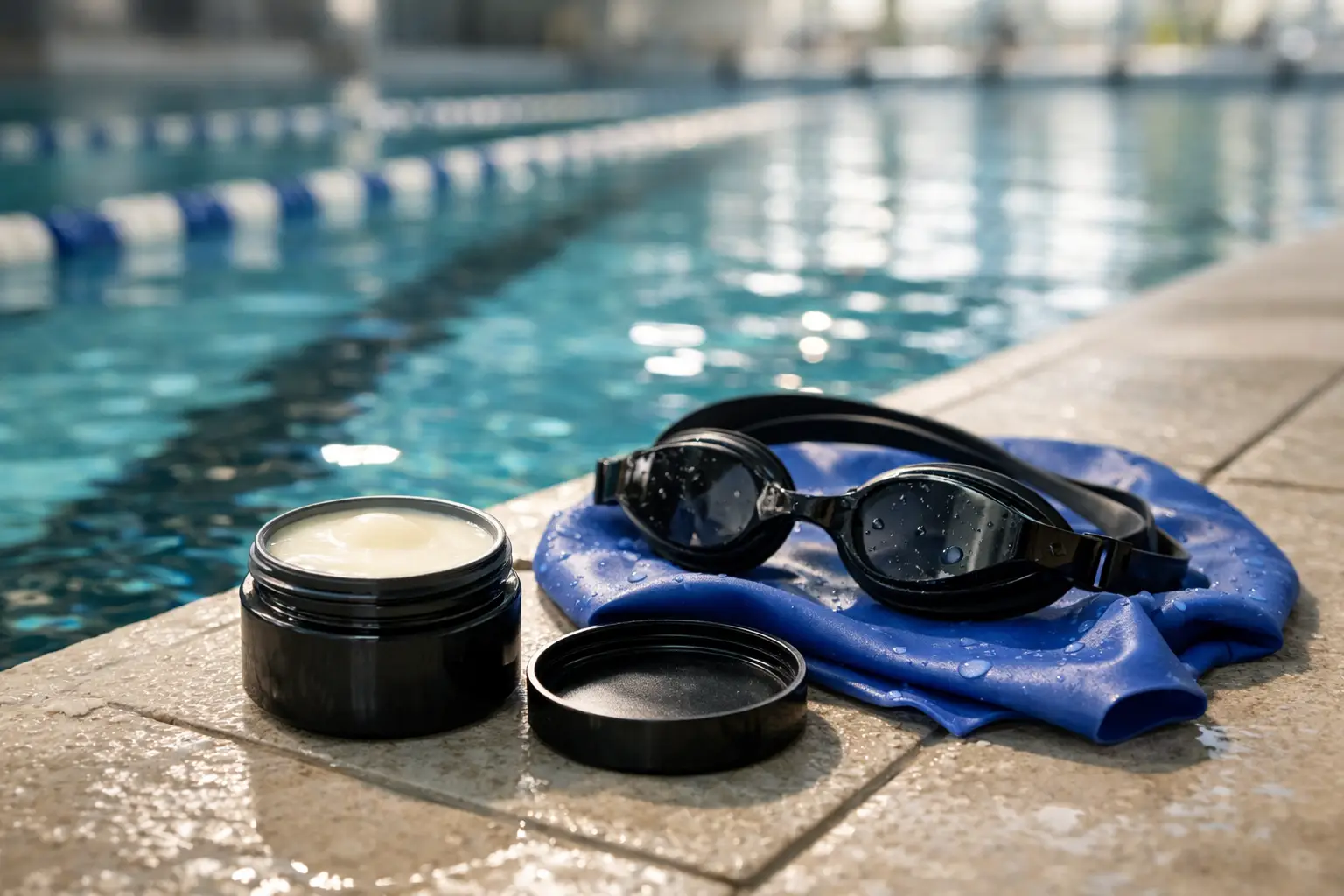
The red patch under a swimsuit strap, the burning at the inner thigh halfway through a session, the neck rub left by a wetsuit – these are small problems until they cut a swim short. So, does anti chafe balm work for swimming? Yes, it can make a real difference, but swimming asks more of a balm than a dry-land workout does. Water, chlorine, salt, fabric movement and long periods of repeated motion all affect how well it stays in place.
A good anti-chafe balm creates a protective layer between skin and the source of friction. It will not turn every product into a waterproof barrier, nor will it fix a poorly fitting costume or wetsuit. Used properly, though, it can be the invisible armour that helps you concentrate on your stroke, your pace and the water ahead rather than the sting building at your skin.
Does anti chafe balm work for swimming?
Anti-chafe balm works best for swimming when the main problem is friction: skin rubbing against skin, a costume seam moving against the body, goggles pressing and shifting, or a wetsuit collar rubbing with every breath and head turn. The balm reduces drag between those surfaces, so there is less repeated abrasion.
Its staying power depends on the formula, the length of your session and the conditions. A short indoor pool swim may be relatively kind to the product. A long open-water session adds salt water, wind, changing temperatures, wetsuit movement and more time for the protective layer to wear away. Chlorinated water can also leave skin dry, which may make it more prone to irritation afterwards.
Think of balm as friction prevention, not an all-day guarantee. For a 30-minute lane swim, one careful application may be enough. For long-distance training, triathlon preparation or open-water events, apply more generously to high-risk areas and expect that you may need to top up before a second session.
Why swimmers chafe in the first place
Swimming looks low-impact, but it involves thousands of repeated movements. Even a well-made costume moves slightly as you reach, rotate and kick. Add water-softened skin and that tiny amount of movement can become a problem.
Wetsuits are a common culprit. The neck, underarms, shoulders, lower back and backs of the knees can all rub, especially if the fit is too loose in one place or too tight in another. Open-water swimmers may also experience chafing around the jawline from a collar, under the arms from suit panels, or at the waistband during a long swim.
Pool swimmers often notice irritation where straps meet the shoulders, beneath the bust, along the bikini line, at the inner thighs or beneath tight leg openings. Men may find that brief seams or waistbands rub during longer sessions. Goggles can cause pressure marks and friction around the nose bridge or eye sockets, although balm should be used very carefully near the face to avoid getting any product in the eyes.
The key is to identify the exact point of contact. Chafing is usually predictable. If a certain seam starts stinging after twenty lengths, that is the place to protect before you get in.
Where to apply anti-chafe balm before a swim
Apply balm directly to clean, completely dry skin before putting on your swimwear or wetsuit. Water on the skin can stop the balm from settling evenly, while applying it over sweat, sand or old sunscreen can trap grit where you least want it.
For most swimmers, the likely application areas are the inner thighs, underarms, under-bust area, groin crease, waistband line, shoulders and anywhere a costume seam repeatedly rubs. Wetsuit users may also apply it around the neck, along the collarbone, under the arms, at the lower back and behind the knees.
Use enough to leave a thin, even layer – not a thick lump that can transfer onto your kit. A few steady passes of a stick are generally easier to control than applying with wet hands. Give particular attention to the edges of the costume or suit, where fabric pressure is most concentrated.
Avoid applying balm to broken, inflamed or actively chafed skin unless the product instructions specifically say it is suitable. Once the skin barrier is damaged, the priority is recovery, not pushing through another session. If irritation is severe, persistent, blistered or shows signs of infection, seek advice from a healthcare professional.
Pool water, sea water and wetsuits: what changes?
The pool is not the sea, and your approach should reflect that. In a pool, chlorine exposure and regular turns can contribute to dry, irritated skin and repeated rubbing at the same spots. Rinse off after swimming, pat dry rather than scrubbing, and use a suitable moisturiser afterwards if your skin feels tight.
In open water, salt, sand and longer distances raise the stakes. Sand caught beneath a strap or inside a wetsuit can turn mild friction into a raw patch quickly. Put balm on before the suit goes on, make sure the inside of the suit is clean, and take a moment to smooth out any folds before you start.
A wetsuit that chafes badly is not always a balm problem. If the neck is gaping, the shoulders are restricted or a seam is digging in, fit may be the real issue. Balm can reduce the effect of movement, but it cannot fully compensate for a suit that is the wrong size, worn out or unsuitable for your body shape.
How to make your balm work harder
The most reliable routine is simple: start with dry skin, apply before dressing, focus on your proven hot spots, then check your kit. This small bit of preparation is far more useful than waiting for discomfort to appear halfway through the swim.
For longer sessions, it helps to test your routine during training rather than saving a new product or application method for event day. Try it in the conditions you actually swim in. A balm that feels great for a quick indoor session may behave differently under a wetsuit during a two-hour coastal swim.
If you use sunscreen, apply it according to its directions and allow it to settle before applying balm to friction-prone areas. Avoid layering products carelessly, as some combinations can become slippery, migrate more easily or irritate sensitive skin. Keep balm away from goggles, lenses and the immediate eye area.
Rinse swimwear and wetsuits thoroughly after use. Residue, salt crystals and roughened fabric can make the next session less comfortable. Trim nails, remove anything abrasive from pockets or kit, and do not ignore a seam that has already started to fray.
Choosing a balm for swim-day comfort
For swimming, look for an anti-chafe balm in a portable stick that applies cleanly and gives a smooth protective glide without feeling greasy. A formula made to reduce friction is more useful than relying on a random moisturiser, which may wash away quickly or leave your hands too slippery to handle kit confidently.
Many active people also prefer a product without petroleum or heavy oils, particularly when they are applying it around swimwear and technical fabrics. Runglide RG Anti Chafe Balm is designed for friction prevention across sport and everyday movement, in a stick format that makes targeted pre-swim application straightforward.
Still, individual skin matters. If you have sensitive skin, allergies or a history of reactions to personal-care products, patch test first. No balm is worth an irritated reaction before a race, holiday swim or regular training session.
When balm is not the whole answer
If you keep chafing in the same place despite using balm, investigate the cause. A different costume cut, a better-fitting wetsuit, adjusted straps or a change in fabric can solve the problem more permanently. Swimmers with larger training volumes may also need to rotate kit so the same pressure points are not aggravated every day.
Hydration and skin condition play a part too. Dry, damaged skin tends to be less resilient, while skin that stays wet for a long time becomes softer and more vulnerable to rubbing. A sensible post-swim routine – rinse, dry gently and restore moisture – supports the preventative work you do before getting in.
The goal is not to think about anti-chafe balm throughout your swim. It is to apply it, forget it and move freely. Protect the places that usually protest, respect the limits of your kit and give yourself one less reason to stop before you are ready.