

Blog
How to Stop Toe Blisters on Long Runs for Good

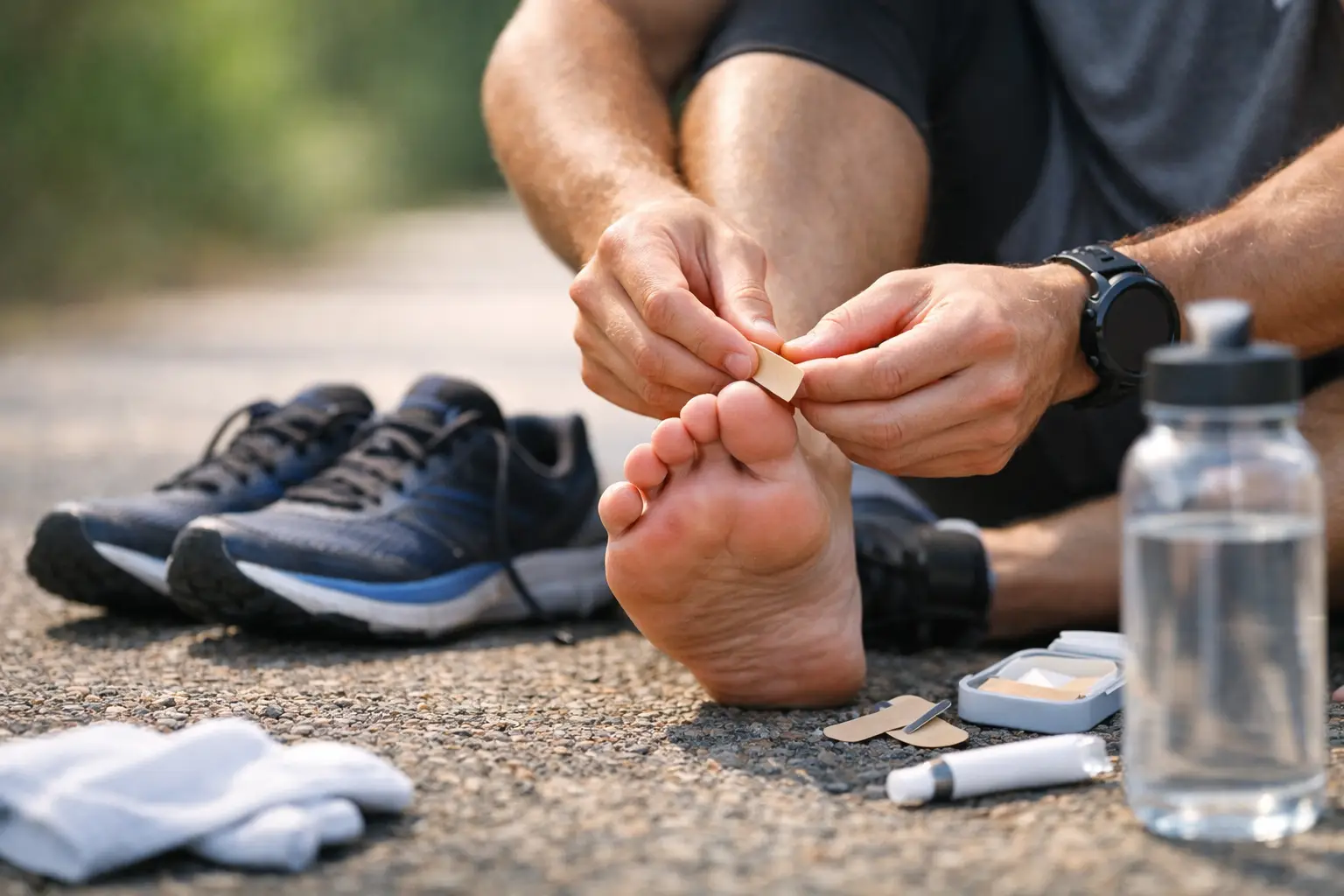
A toe blister rarely appears out of nowhere. It starts as a hot spot: a faint sting beneath the big toe, a rubbing sensation on the little toe, or skin that feels tender when you push off. Ignore it for a few miles and it can turn a strong long run into a limp home. Knowing how to stop toe blisters on long runs means dealing with the real cause early: repeated friction, heat and moisture working together inside your shoes.
The good news is that most running blisters are preventable. A few smart adjustments to your footwear, sock choice, foot care and pre-run routine can protect your feet for the miles that matter.
How to stop toe blisters on long runs: control friction
A blister forms when your skin repeatedly moves against another surface. In running, that may be your sock, the upper of your shoe, a seam, or even an adjacent toe. Heat softens the skin, sweat makes it more vulnerable, and the same small movement repeated thousands of times creates the rubbing that causes a hot spot.
That is why the answer is not always simply buying a thicker sock or tougher shoe. The aim is to reduce movement at the point of contact while managing sweat. For some runners, the culprit is a shoe that is too small. For others, it is a roomy toe box that allows the foot to slide forward on descents. Your solution should match the pattern of the blister.
A blister on the tip of the toe often points to your foot hitting the front of the shoe. One on the side of a toe can suggest rubbing between toes or against a narrow toe box. Blisters beneath the toes are commonly linked to moisture, sock movement or pressure during push-off.
Start with shoe fit, not shoe size
Your running shoes should have enough room in front of your longest toe for your foot to expand during a long run. This is often around a thumb’s width, but foot shape and shoe design matter more than a single measurement. Try shoes later in the day or after an easy run, when your feet are closer to their running size.
Length alone is not enough. The toe box needs to suit the width and shape of your forefoot. If the sides of your toes feel compressed, or the upper presses against a particular toenail, that pressure will become more noticeable after an hour on the road or trail. A shoe that feels fine for a short jog can become a friction problem at long-run distance.
Also check whether your heel is secure. A loose heel allows the whole foot to slide forward, especially downhill, leaving the toes to take the impact. Re-lacing the shoe with a heel-lock lacing technique can reduce that movement without pulling the forefoot painfully tight. Do not simply crank every lace tighter: too much pressure across the top of the foot can create a different discomfort.
If blisters started after changing shoe model, do not assume you need to push through a break-in period. Modern running shoes should feel comfortable from the outset. Give a new pair a few short runs before trusting it with a long session, and pay attention to any repeat hot spots.
Choose socks that stay dry and stay put
Cotton socks tend to retain moisture, which can leave skin soft and prone to rubbing. For long runs, choose technical running socks made from moisture-wicking synthetic fibres, merino wool blends, or a combination of both. The best material is the one that keeps your feet comfortable in your usual weather conditions.
Fit is just as important as fabric. A sock that wrinkles under the toes or gradually twists during a run creates friction with every stride. Look for a close, smooth fit and minimal toe seams. Some runners get on well with double-layer socks, while others prefer toe socks to separate the toes and prevent skin-on-skin rubbing. Neither is universally better, so test them in training rather than on race day.
Bring a spare pair of socks on especially long runs, warm-weather runs, or wet trail days. Changing halfway can be a simple reset when your feet are drenched from rain, puddles or sweat. It is a small addition to a running vest or kit bag that can save your final miles.
Use a friction barrier before the hot spot starts
If you repeatedly blister in the same place, do not wait for discomfort. Apply a purpose-made anti-chafe balm to clean, dry skin before you run, focusing on the sides, tips and undersides of the toes that usually rub. The barrier helps reduce the drag between skin, socks and footwear, giving your feet a better chance of staying comfortable as mileage builds.
A portable stick is particularly useful for endurance events, hikes and travel, when you may need a quick reapplication. Runglide Anti Chafe Balm is designed to create that practical friction barrier without adding a messy layer to your kit. Apply lightly and evenly rather than coating the whole foot, unless your feet are prone to widespread rubbing.
Tape can also work well for a known trouble spot, particularly if you are managing a developing hot spot during a race. The trade-off is that tape needs careful application. If it creases, peels or shifts once sweaty, it can create the friction you were trying to avoid. Trial your preferred tape and application method on shorter runs first.
Build a pre-run foot routine
Consistency beats last-minute fixes. Before a long run, take two minutes to prepare your feet properly:
- Trim toenails straight across and file sharp edges so they cannot catch on socks or neighbouring toes.
- Put on clean, dry running socks and smooth them carefully around each toe and beneath the forefoot.
- Check that your shoes are free from grit, damaged insoles or worn inner lining that could rub.
- Apply your friction protection to familiar hot spots before putting your socks on.
Avoid heavy moisturiser immediately before running. Soft, overly moisturised skin may be more likely to shear under pressure. Daily foot moisturising can still be useful for dry, cracked skin, but keep it separate from your pre-run routine.
Match your kit to the route and conditions
Long runs are not all the same. A flat, cool road run places different demands on your feet than a humid half marathon, a hilly trail route or a multi-hour hike. Downhills can push toes into the front of the shoe; heat increases sweat; mud and rain can saturate socks; and trail running may involve more lateral foot movement.
Plan for the conditions, not just the distance. On a hot day, prioritise breathable socks and consider carrying a spare pair. On a hilly route, make sure your heel lockdown is secure. For a wet event, test how your preferred shoes and socks behave when soaked, because equipment that performs brilliantly in dry conditions can change completely once water gets involved.
It also pays to increase distance gradually. A sudden jump from 10 km to 20 km doubles the time your feet spend under friction and pressure. Your cardiovascular fitness may feel ready before your skin and footwear system have been tested at that duration. Build long-run mileage progressively and use those runs to refine your set-up.
Act quickly when a hot spot appears
The moment you notice a persistent burn or rub, take it seriously. If you can safely stop, remove your shoe, dry the area and assess it. A small adjustment to your sock, a reapplication of friction barrier or tape over intact skin can prevent a minor irritation from becoming a run-ending blister.
If a blister has already formed, protect it from further rubbing and keep the area clean. Avoid popping it unless you have a clear reason and can do so hygienically, as intact skin offers useful protection. Seek advice from a healthcare professional if you notice spreading redness, warmth, pus, severe pain, fever, or if you have diabetes, poor circulation or reduced sensation in your feet.
Your feet carry every training block, finish line and weekend adventure. Give them the same attention you give your trainers, pace and fuelling, and you can keep moving with far less friction holding you back.