

Blog
What Causes Inner Thigh Chafing? Key Triggers

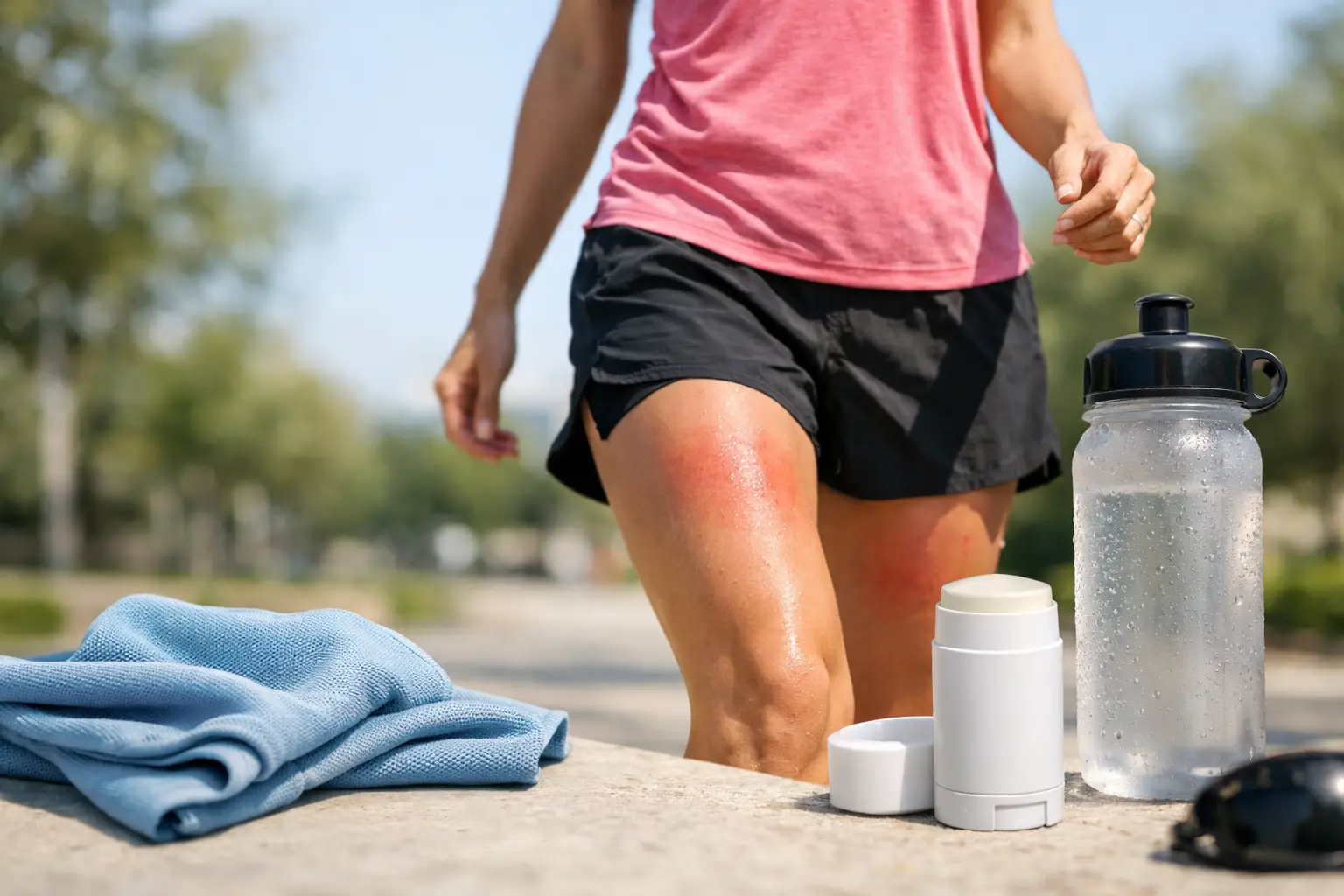
That sharp, stinging feeling halfway through a run, long walk or warm commute can turn an otherwise good day into a slow, uncomfortable shuffle. If you are wondering what causes inner thigh chafing, the short answer is repeated skin-on-skin or fabric-on-skin friction. The fuller answer matters because friction is rarely working alone.
Heat, moisture, movement, clothing fit and the length of time you are active can combine to wear down the skin’s protective barrier. Once skin becomes irritated, every step creates more rubbing – which is why a small hot spot can quickly become sore, red and tender.
What causes inner thigh chafing during movement?
Inner thigh chafing happens when two surfaces repeatedly rub together with enough pressure and moisture to irritate the outer layers of skin. Thighs naturally move close together when walking, running, hiking, cycling, climbing stairs or simply going about daily life. That is normal anatomy, not a fitness failing.
Some people chafe only on long runs or humid days. Others notice it during a short dog walk in summer, while wearing a skirt, or when travelling in warm clothes. Body shape can influence where friction occurs, but it is only one part of the picture. People of every size and activity level can get thigh chafing.
The key is repetition. One step is harmless; thousands of steps, with sweat and a rough seam involved, are a different story.
Sweat and humidity soften the skin
Sweat is designed to cool you down, but it can make chafing more likely. Damp skin is softer and more vulnerable to rubbing, while salt left behind as sweat dries can feel abrasive. Humid weather adds another layer: sweat evaporates more slowly, so the skin stays damp for longer.
This is why a route that feels fine in cool, dry weather may cause trouble during a summer run or a holiday walk. It is not necessarily that you have changed your gait. The conditions around your skin have changed.
Clothing can either protect or aggravate
The right clothing creates a smooth layer between your thighs. The wrong pair can bunch up, trap sweat, ride upwards or place a seam exactly where your legs rub.
Cotton is comfortable for everyday wear, but once it is saturated it can hold moisture against the skin. Loose shorts can leave the inner thigh exposed, while tight garments may still cause friction if the fabric is rough, poorly fitted or constantly shifting. A pair of running shorts that works brilliantly for a 5K may not stay in place over a half marathon.
Look beyond size alone. Fabric feel, seam placement, leg length and how a garment moves after 30 minutes all matter. Test kit on an ordinary training session rather than saving it for race day.
Distance, pace and repetitive motion increase exposure
The longer you move, the more opportunities there are for friction to build. Endurance runners, hikers and cyclists often experience chafing because their activity involves prolonged, repetitive motion. But a new gym routine can create the same problem if you are suddenly spending more time on the treadmill, cross-trainer or stair machine.
Pace can matter too. Faster running may change stride mechanics and increase heat production. Slower long-distance efforts may keep damp clothing against the skin for hours. Neither is inherently worse – it depends on your body, kit and conditions.
Skin sensitivity and existing irritation lower the threshold
Chafing is more likely when skin is already dry, irritated or recovering from a previous rub. Shaving, waxing, eczema-prone skin, a new body wash, or a minor rash can leave the area more sensitive than usual. Once the skin barrier is compromised, friction that would normally be manageable can sting almost immediately.
This is also why continuing to train through early soreness often makes things worse. A hot spot is useful feedback. Treat it early, reduce the rubbing and give skin time to settle.
Why inner thigh chafing can appear out of nowhere
It can feel frustrating when you have worn the same shorts for months without a problem, then suddenly develop chafing. Usually, one small variable has shifted.
You may be sweating more because temperatures have risen, trying a longer route, carrying extra kit, changing laundry detergent, wearing newly washed fabric that has become stiffer, or returning to exercise after time off. Weight fluctuations can alter where skin contacts skin, but they are not the only explanation and should not be treated as the default cause.
Hormonal changes may also affect sweat, skin sensitivity and how your body responds to heat. For some women, that can make chafing less predictable at different points in the menstrual cycle. The practical response remains the same: identify the conditions that trigger rubbing and create a barrier before you move.
How to spot chafing before it gets painful
Early inner thigh chafing may feel like warmth, tenderness, itching or a slight prickling sensation. The skin can look pink or red and may feel dry, damp or raw. If you keep moving without addressing it, irritation can progress to more intense redness, broken skin, swelling or painful stinging when you shower.
Do not confuse every rash with chafing. Chafing usually appears in a place where skin or clothing rubs and tends to worsen with movement. A rash that spreads, has a distinct border, produces pus, blisters unexpectedly, or does not improve after a few days may be caused by something else. Seek advice from a pharmacist or healthcare professional, particularly if there are signs of infection, severe pain or fever.
Preventing thigh chafing without changing your routine
You do not need to stop running, avoid shorts or make your walks shorter. Prevention works best when it is built into the routine you already have.
Start with dry, clean skin and choose bottoms that stay put. For running and hiking, many people prefer longer, close-fitting shorts or leggings with smooth seams. For everyday wear, lightweight anti-chafe shorts under skirts or dresses can reduce skin-on-skin contact without adding much bulk. If you are prone to heavy sweating, changing out of damp clothes promptly after activity helps protect irritated skin.
A friction barrier is the other useful layer. Applied before your run, walk, ride or busy day, an anti-chafe balm reduces direct rubbing and helps the skin move more smoothly. Reapply for longer sessions if heat, rain or heavy sweating are part of the plan. Runglide Anti Chafe Balm is designed as a portable, no-fuss option for the places that repeatedly rub, including inner thighs.
There is a trade-off with every approach. Longer compression shorts can be highly effective, but may feel too warm in hot weather. A balm is light and flexible, but needs to be applied before friction begins and may need topping up on an all-day hike. Combining comfortable kit with a barrier gives you more reliable protection than relying on either one alone.
What to do if your thighs are already chafed
First, stop the rubbing where possible. Gently rinse sweat and salt away with lukewarm water, then pat the area dry rather than rubbing it with a towel. Wear loose, soft clothing until the tenderness settles, and avoid fragranced products that could sting sensitive skin.
Protect the area from further friction before you return to activity. If the skin is broken, give it adequate time to heal and follow advice from a pharmacist or clinician about suitable care. Pushing through an open, painful chafe can prolong recovery and make the next session miserable.
The goal is not to become precious about movement. It is to remove an avoidable distraction. When you understand your triggers – a humid day, a certain pair of shorts, a longer distance or simply a high-sweat commute – you can prepare for them and keep moving with confidence.
Your legs are meant to carry you far. Give them a little invisible armour before the first step, and save your energy for the miles, views and finish lines that matter.