

Blog
Walking Holiday Blister Prevention Guide

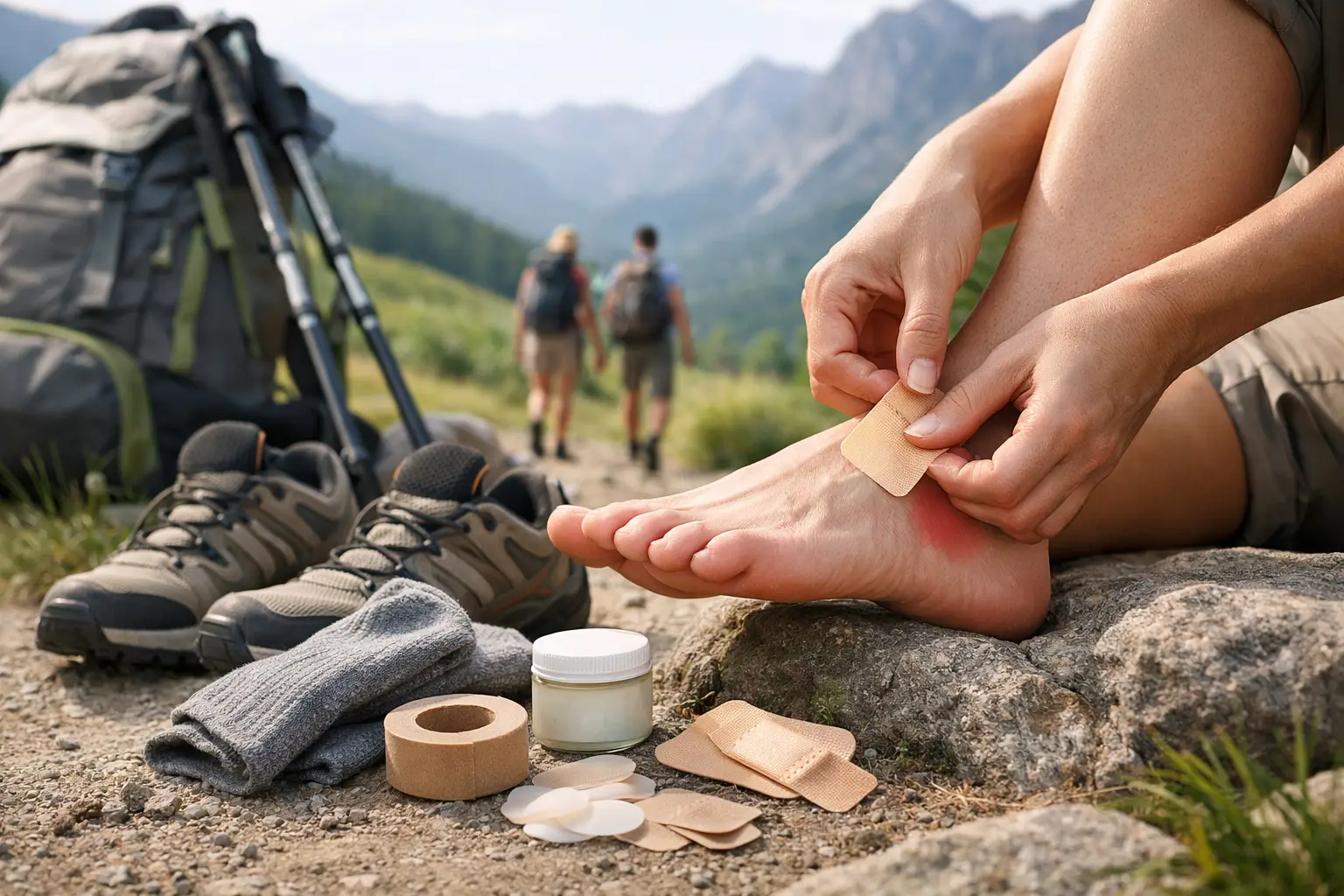
A walking holiday should leave you with great views, stronger legs and a proper sense of achievement – not a limp back to the hotel after day two. This walking holiday blister prevention guide is built for the reality of long, consecutive days on your feet, whether you are crossing coastal paths, tackling hill country or exploring a new city from morning until dinner.
Blisters are not a sign that you are weak or unprepared for walking. They are a friction problem. Get ahead of that friction, and you give yourself far more freedom to enjoy the route, the company and the miles ahead.
Why blisters can derail a walking holiday
A blister forms when repeated rubbing separates layers of skin and fluid fills the gap. Heat, moisture and pressure make that rubbing more likely. On a one-hour local walk, you may get away with a small hot spot. On holiday, the same area is asked to perform again tomorrow, often in a different climate and on uneven ground.
Your heels, toes, the balls of your feet and the sides of the forefoot are usual trouble spots. But every walker is different. A stiff boot collar, a seam in a sock, a slightly loose heel or a foot that swells in afternoon heat can shift the pressure to somewhere unexpected.
The goal is not to make your feet invincible. It is to reduce rubbing before it turns into damage, then respond early when something does not feel right.
Start your walking holiday blister prevention before you travel
The biggest mistake is saving new footwear for the trip. Even excellent walking boots or shoes need time to work with your feet. Wear them on several walks, beginning with shorter routes and building towards the kind of distance, terrain and pack weight you expect on holiday.
Pay attention to patterns. Does one heel feel warm after five miles? Do your toes press forward on descents? Do you only notice rubbing when your feet get damp? Those details tell you what to adjust while you still have choices.
Fit matters more than the name on the shoe. Your footwear should hold the heel securely, give your toes room to spread and allow for a little natural swelling. Try shoes on later in the day if possible, when your feet are closer to their walking size. If you use insoles, test them during your training walks, not for the first time at the trailhead.
Lacing can make a meaningful difference. If your heel lifts, a heel-lock lacing method may help hold it in place. If the top of your foot feels compressed, easing the laces across that area can reduce pressure. Small adjustments are useful, but they cannot rescue footwear that is fundamentally the wrong shape or size.
Choose socks and footwear as a system
Socks are active equipment, not an afterthought. A well-fitting technical walking sock moves moisture away from the skin and provides cushioning where it is needed. Avoid socks that bunch at the toes or slide down inside the shoe. Cotton can feel comfortable at the start, but it tends to hold moisture once you sweat or meet rain.
The right thickness depends on your footwear and the weather. A thick sock can add useful cushioning in a roomy boot, yet make a close-fitting shoe too tight. A thin sock may suit a warm-weather walking shoe, but it offers less protection if the upper is rough or your feet slide around. Test your preferred combination properly before departure.
For longer, wet or warm days, carrying a spare pair of socks is one of the simplest comfort upgrades available. Changing into dry socks at lunch reduces moisture and gives you a moment to inspect your feet. Let the pair you remove dry overnight rather than stuffing damp socks straight into the bottom of your bag.
Use friction protection before the first hot spot
Waiting until your skin hurts is leaving prevention too late. Before setting off, apply an anti-chafe balm to the places where you normally rub: heels, toes, the ball of the foot or the edge of the forefoot. This creates a protective glide layer, helping skin move more comfortably against your sock and shoe.
A portable stick is especially useful on a walking holiday because conditions change through the day. Reapply during a lunch stop if you have been walking in heat, rain or deep mud, or if you feel friction beginning to build. Runglide Anti Chafe Balm is designed as an easy-to-carry, petroleum-free friction barrier for active days, so it earns a place alongside plasters and spare socks rather than being left at home.
Keep feet clean and dry before application. If you have a known pressure point, you can also use preventative blister tape or a protective dressing. Tape works well for some walkers, especially over a recurring spot, but it must be smooth and secure. A wrinkled edge can create a new rubbing problem, so practise using it before your trip.
Manage your feet while you walk
Do not march through the first warning signs. A hot spot may feel like a mild burn, a prickling sensation or an area that is suddenly more noticeable with each step. Stop when you notice it. Taking five minutes early is far better than losing a day later.
At a break, take off your shoe and sock, then check the area in good light. Dry any moisture, smooth the sock back into place and look for grit, a folded insole or a seam that has moved. Apply balm or protective tape as needed before walking on.
Pace helps too. A walking holiday is not a race unless you have made it one. Long descents can hammer your toes, while steep climbs can increase heel movement. Short, regular pauses give your feet time to cool and give you a chance to address fit issues before they become painful.
If the route and weather allow, air your feet at lunch. It is a small ritual that can reset your comfort for the afternoon. While you are there, loosen your laces slightly if your feet have swollen, then retighten them with enough support for the terrain ahead.
What to do when a blister starts
If the skin is still intact but tender, protect it immediately. Clean and dry the area, then cover it with a purpose-made blister dressing or smooth tape. Reduce the source of friction as well: change damp socks, adjust lacing or add balm around the area where appropriate. Covering a hot spot without correcting the rubbing often only delays the problem.
For an intact blister, keep the roof of skin in place where possible. It protects the sensitive skin underneath. A cushioned dressing can reduce direct pressure, particularly on the heel or ball of the foot. If it is large, very painful, looks infected or makes it difficult to walk safely, seek advice from a pharmacist or healthcare professional.
An opened blister needs gentle care. Wash your hands, clean the area, avoid tearing away healthy skin and use a sterile dressing. Watch for increasing redness, heat, swelling, pus or worsening pain. These are reasons to get medical attention, especially if you have diabetes, poor circulation or reduced sensation in your feet.
Build a small foot-care kit
You do not need to carry a pharmacy, but a few targeted items prevent a lot of discomfort. Pack these in an easy-to-reach pocket:
- Anti-chafe balm for known friction zones and mid-walk touch-ups.
- Two spare pairs of well-tested walking socks in a dry bag.
- Blister dressings, smooth tape and a few small sterile dressings.
- A compact towel or clean cloth for drying feet and a small amount of hand sanitiser.
Check the kit each evening. Dry wet shoes and socks as thoroughly as you can, remove grit from your footwear and give your feet a quick look-over. That daily attention is particularly valuable on multi-day routes, when minor irritation can otherwise build with every stage.
A comfortable walking holiday is rarely about one magic item. It comes from footwear that fits, socks that stay dry, early action and a little care at each stop. Protect your feet with the same intent you bring to choosing the route, then step out ready to enjoy every mile.