

Blog
Sports Balms That Keep You Moving Comfortably

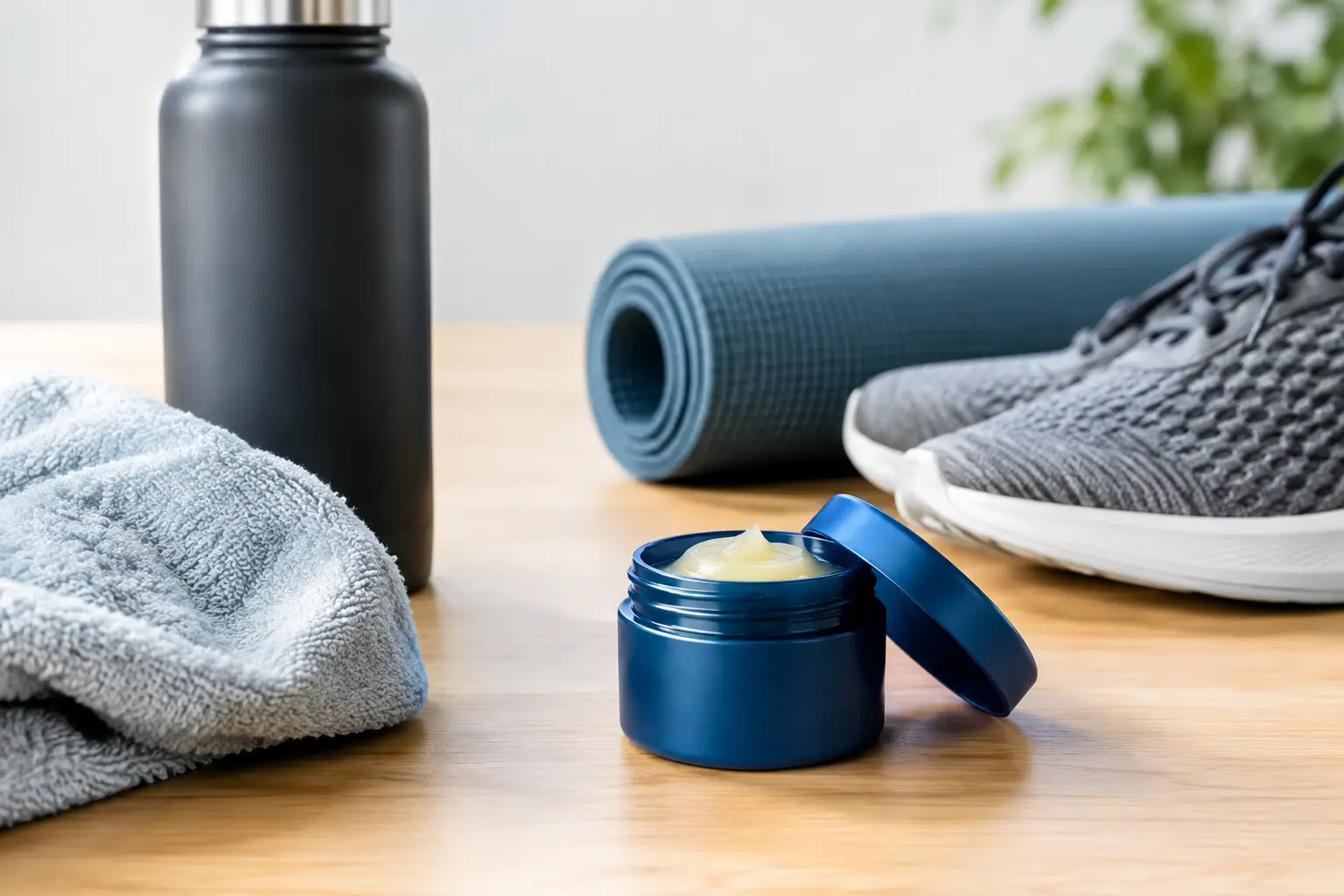
That sting on the inside of your thigh at kilometre eight, the sock seam rubbing your heel, or a sports bra line that starts to burn halfway through a hike can turn a good session into a test of patience. Sports balms are a small addition to your kit, but used well, they create a protective barrier between skin, clothing, footwear and equipment so friction has less chance to take over.
For runners, cyclists, hikers and anyone who spends time on the move, comfort is not a luxury. It is what lets you keep your attention on the route, the effort and the next mile rather than the irritation building with every stride.
What sports balms actually do
Not every balm in a gym bag does the same job. Some are warming formulas intended for use before activity, while others are aimed at soothing tired muscles afterwards. An anti-friction balm has a more practical job: it reduces rubbing in vulnerable areas before chafing, hot spots and blisters begin.
Friction happens when skin repeatedly moves against skin, fabric, a shoe or a piece of equipment. Add heat, sweat, salt, wet weather or long-duration movement and that rubbing becomes more aggressive. At first, you may notice warmth or sensitivity. Keep going, and you can end up with raw skin or a blister that makes walking uncomfortable for days.
A quality anti-chafe balm forms an invisible layer that helps surfaces glide rather than drag. It is not a replacement for well-fitting shoes, technical clothing or sensible pacing. It is the layer of prevention that supports all three, especially when your session is longer, hotter, wetter or simply more ambitious than usual.
Where to use sports balms before activity
The best application points depend on your sport, body and kit. Your own friction patterns matter more than a generic checklist. Think back to the places that feel tender after a long run, ride, walk or gym session. Those are the areas to protect before you start.
Skin-on-skin friction
Inner thighs are the obvious example, but underarms, under the bust and areas where the waistband moves can also catch people out. This is particularly common in warm weather, on long walks in shorts, and during runs when damp fabric starts to cling.
Apply the balm directly to clean, dry skin with enough coverage to protect the full contact area. A light swipe may be fine for a short walk, while a longer run or humid holiday day may call for a more generous layer.
Feet and footwear pressure points
Blisters rarely arrive without warning. You may feel a toe rubbing, a heel slipping or a seam pressing against the side of your foot. Treat that spot before it becomes a problem, applying balm to the skin where the shoe or sock creates repeated contact.
Common areas include heels, toes, the ball of the foot and the arch. New shoes, wet conditions, hills and long descents all increase the chance of hot spots. If you are breaking in footwear, do not expect balm to fix a poor fit. It can reduce friction, but shoes that pinch, slide or crush your toes need addressing at the source.
Clothing and equipment contact
Cyclists may use an anti-chafe balm where bib shorts and saddle contact create repeated pressure. Runners often protect bra lines, waistbands, seams and areas where a hydration vest or pack rubs. Hikers may need it beneath backpack straps or at the hips, where a belt moves over clothing during a long day on the trail.
For swimmers and triathletes, necklines, underarms and wetsuit edges can be the deciding factor between a focused session and a distracting one. Test your chosen balm during training rather than saving it for race day. Equipment, water and sweat can change how any product performs.
How to choose an anti-friction balm
The right balm should fit your routine as easily as your trainers do. A stick format is especially useful because it is quick to apply, does not leave product all over your hands and slips neatly into a running belt, daypack or travel bag.
Look beyond the label promise and consider the conditions you actually face. If you run short distances in cool weather, a lighter application may be all you need. If you are training for a marathon, trekking for hours, commuting by bike or spending a full day sightseeing in the heat, durability becomes far more important.
A sports balm should also feel comfortable on your skin. Some people prefer petroleum-free, oil-free formulas that do not feel overly greasy on clothing or kit. If you have sensitive skin, check the ingredient list and patch test first, particularly if you are applying it around areas already prone to irritation. Natural ingredients can still cause a reaction for some people, so personal tolerance always comes first.
At Runglide, the focus is simple: portable, cruelty-free friction protection that helps active people move with more freedom, whether the plan is a training run, a mountain day or an ordinary walk through town.
Make balm part of your pre-session routine
The best time to apply an anti-chafe balm is before friction starts. Trying to apply it to broken or badly irritated skin may sting and is unlikely to solve the issue in the moment. If skin is open, painful or looks infected, stop aggravating it and seek appropriate medical advice.
Build application into the same sequence as filling your water bottle or putting on your watch. Apply it to clean, dry skin, then put on your socks, shorts, vest or other kit. Take an extra few seconds with known trouble spots. Prevention is considerably easier than managing a painful blister halfway through a route.
For very long events, pack the stick where you can reach it. Reapplication may help if conditions are exceptionally wet, hot or sweaty, or if you have changed clothing. There is no universal schedule because body chemistry, terrain and kit vary so much. The useful rule is simple: reapply before an early warning becomes a genuine problem.
Sports balms are for everyday movement too
You do not need a race number to benefit from friction protection. Chafing can show up during summer walks, city breaks, travel days, festivals, gym sessions and long shifts spent on your feet. People who have experienced thigh rub under a dress, a painful heel during sightseeing or a waistband that irritates on a long flight know how quickly comfort can affect the whole day.
That is why a compact balm earns its place beyond the sports bag. It gives you a practical option when conditions change: unexpected heat, new shoes, a longer walk than planned or clothing that looked comfortable in the mirror but behaves differently after three hours of movement.
Do not let balm hide a kit problem
Anti-friction protection is powerful, but it works best alongside good habits. Socks should fit without bunching. Shoes should offer enough room for feet that swell during a long run or hike. Cycling shorts should stay in place, and running clothing should be tested at the duration you intend to cover.
If you repeatedly blister in exactly the same place, inspect your footwear, lacing, socks and gait rather than applying more balm indefinitely. If a pack rubs one shoulder, adjust the fit and load distribution. Think of balm as invisible armour, not permission to ignore equipment that is working against you.
There is also a difference between normal post-session tenderness and pain that keeps worsening. Persistent skin irritation, unusual swelling, spreading redness or signs of infection deserve professional attention. Staying active is the goal, but pushing through damaged skin can turn a manageable issue into unwanted time off.
The strongest training plans are built from repeatable, unglamorous choices: kit that fits, fuelling you trust, recovery you respect and friction protection applied before it is needed. Keep a sports balm where you keep your essentials, and give your next mile, climb or everyday walk one less reason to hold you back.