

Blog
Best Friction Products for Chafe and Blister Defence

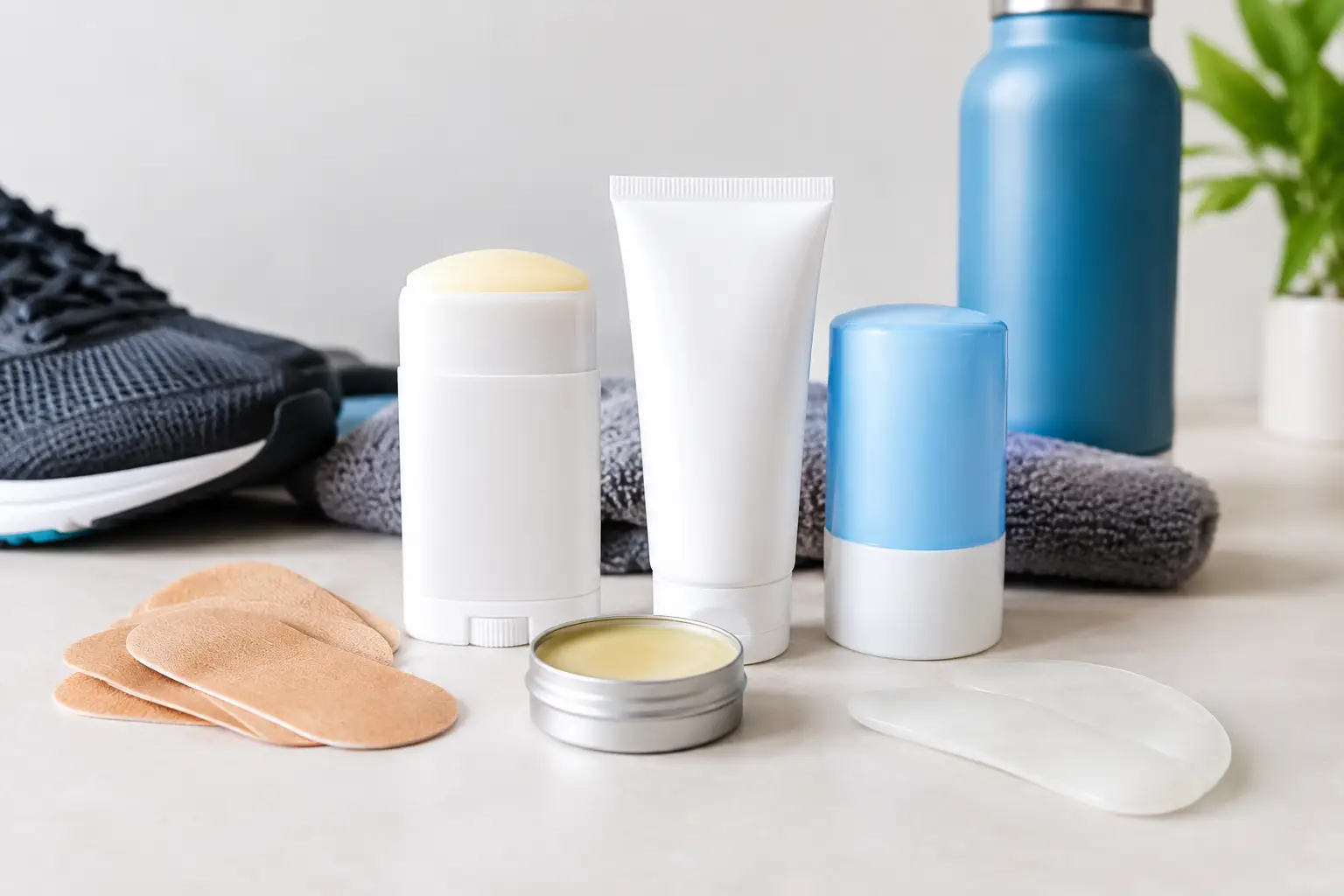
A long run can be going perfectly until the first hot spot appears. A walk in new shoes can turn painful before lunch. And when thigh chafing starts, every step suddenly demands attention. The best friction products do one simple but powerful job: they reduce rubbing before it becomes the thing that cuts your session, adventure or day short.
For most active people, an anti-chafe balm is the most useful first line of defence. But balms are not the only option. Tapes, powders, technical clothing and better-fitting footwear can all play a part. The right choice depends on where friction happens, how long you will be moving and whether sweat, water or repeated pressure are involved.
What makes a friction product worth using?
Friction is created when skin, fabric, footwear or equipment rub repeatedly against the same area. Add heat, moisture and movement, and irritation can build quickly. The best protection does not merely feel comfortable at the start. It needs to stay put through the conditions that caused the problem in the first place.
A good friction product should be easy to apply, comfortable on skin and practical to carry. For runners and hikers, durability matters. For cyclists, protection needs to work under close-fitting kit and in areas exposed to sustained pressure. For everyday use, the formula should feel discreet under clothes and fit easily into a handbag, gym bag or travel wash bag.
Ingredients matter too. Some people prefer a product without petroleum or oils, particularly if they dislike greasy residue on clothes or want a cleaner feel during training. A simple stick format is often the easiest option because it delivers targeted coverage without mess on your hands.
The best friction products for different problems
Anti-chafe balm for skin-on-skin rubbing
For inner thighs, underarms, bra lines, groin areas and anywhere clothing repeatedly catches the skin, anti-chafe balm is usually the strongest starting point. Applied before activity, it creates a protective glide layer that helps skin move more freely instead of dragging against itself or fabric.
This is the category to prioritise if you run, walk long distances, wear shorts in warm weather or simply find that daily movement causes uncomfortable rubbing. Look for a balm that applies evenly and does not leave you feeling coated. Reapply if you are out for a long day, sweating heavily or swimming.
Runglide RG Anti Chafe Balm is designed for exactly this kind of real-world movement: a portable, cruelty-free stick made without petroleum or oils, ready for training days, race bags and everyday comfort. Think of it as invisible armour for the places that usually slow you down.
Anti-blister balm for feet and footwear pressure
Foot blisters have a slightly different cause. They are often driven by friction between the foot, sock and shoe, especially around the heel, toes, arch and ball of the foot. Moisture can make the situation worse, while new shoes, hills and longer mileage raise the risk.
A friction balm can help reduce rubbing on known problem areas before you put your socks on. It is especially useful for runners building distance, hikers breaking in boots, travellers walking all day and anyone returning to exercise after time away. Apply a thin, even layer rather than a thick coating that could make your foot slide excessively in the shoe.
If a particular point always rubs, do not rely on balm alone. Check your shoe fit, lacing and sock choice. A product can reduce friction, but it cannot correct a shoe that is too small, too loose or shaped badly for your foot.
Blister tape for a precise hot spot
Tape is valuable when you need a physical barrier in one specific place. It can be effective on heels, toes and other small areas where a shoe edge repeatedly creates pressure. Many athletes keep tape in their kit because it can also provide a useful backup during events or multi-day hikes.
The trade-off is that tape needs dry, clean skin to adhere well. It can also bunch, lift or create an edge that rubs if it is applied carelessly. Use it for targeted protection, not as a substitute for addressing the cause of the hot spot.
If you feel a hot spot developing during a run or hike, stop early if you can. Dry the area, apply protection and adjust your sock or shoe before the skin breaks. A two-minute pause is far better than several painful days of recovery.
Anti-chafe powders for moisture-heavy conditions
Powders are mainly useful where dampness is the major issue. They can help keep areas drier, which may reduce the conditions that make chafing feel worse. Some people prefer them for feet, shoes or skin folds during hot weather.
However, powder does not always provide the long-lasting glide of a balm. It can wear away, become clumpy with sweat and make a mess in changing rooms or travel bags. For most runners, walkers and cyclists, a balm is the more dependable core product, while powder is an optional extra for particularly humid conditions.
Technical clothing for reducing fabric friction
Well-designed kit can prevent a surprising amount of irritation. Seam placement, fabric softness, compression and fit all influence whether clothing moves with you or rubs against you. Cycling shorts, running tights and close-fitting base layers can reduce skin-on-skin contact, while loose or poorly fitted garments may do the opposite.
Clothing is not a guaranteed solution. Even premium kit can chafe when it is wet, new, ill-fitting or used over long distances. Test race-day clothes during training, wash them before a major event and pair them with targeted friction protection on your known trouble spots.
How to choose the right protection before you move
Start with the location of the problem. Use balm for broad skin areas and repeated rubbing, tape for a small, predictable point and better socks or footwear adjustments for foot friction. If moisture is a major factor, consider whether a powder or moisture-wicking fabric would complement your main protection.
Then think about duration. A twenty-minute gym session may only need a quick application to the inner thighs or underarms. An ultramarathon, mountain hike or full day of sightseeing needs a more deliberate plan: apply before leaving, pack your chosen product and know where you are most likely to need a top-up.
Finally, be honest about your trigger. Chafing is not a failure of fitness or a sign that you should push through discomfort. It is feedback. Your body, kit or footwear is telling you that friction is building faster than your skin can tolerate it. Solve the source early and you can keep your focus where it belongs: on the road, trail, ride or day ahead.
A simple anti-friction routine for training and travel
Before activity, apply your balm directly to clean, dry skin wherever you have chafed before. Do not wait for discomfort to begin. Prevention works best before heat and rubbing build up.
For your feet, apply protection to known blister zones, put on clean technical socks and check that your laces hold the heel securely without squeezing the forefoot. On longer outings, carry a compact stick and tape in case conditions change. Rain, heat, hills and unexpected extra miles all alter how your kit performs.
Afterwards, wash and dry the area gently. If skin is broken, painful, swollen or showing signs of infection, avoid further rubbing and seek appropriate medical advice. Friction products are for prevention, not a reason to ignore damaged skin.
The best choice is the one you will actually use consistently. Keep it by your trainers, in your cycling bag or next to your passport before a holiday. A few seconds of preparation can protect hours of movement – and give you the confidence to go further, stay out longer and keep doing what makes you feel strong.