

Blog
Anti Chafe Balm for Cycling That Works

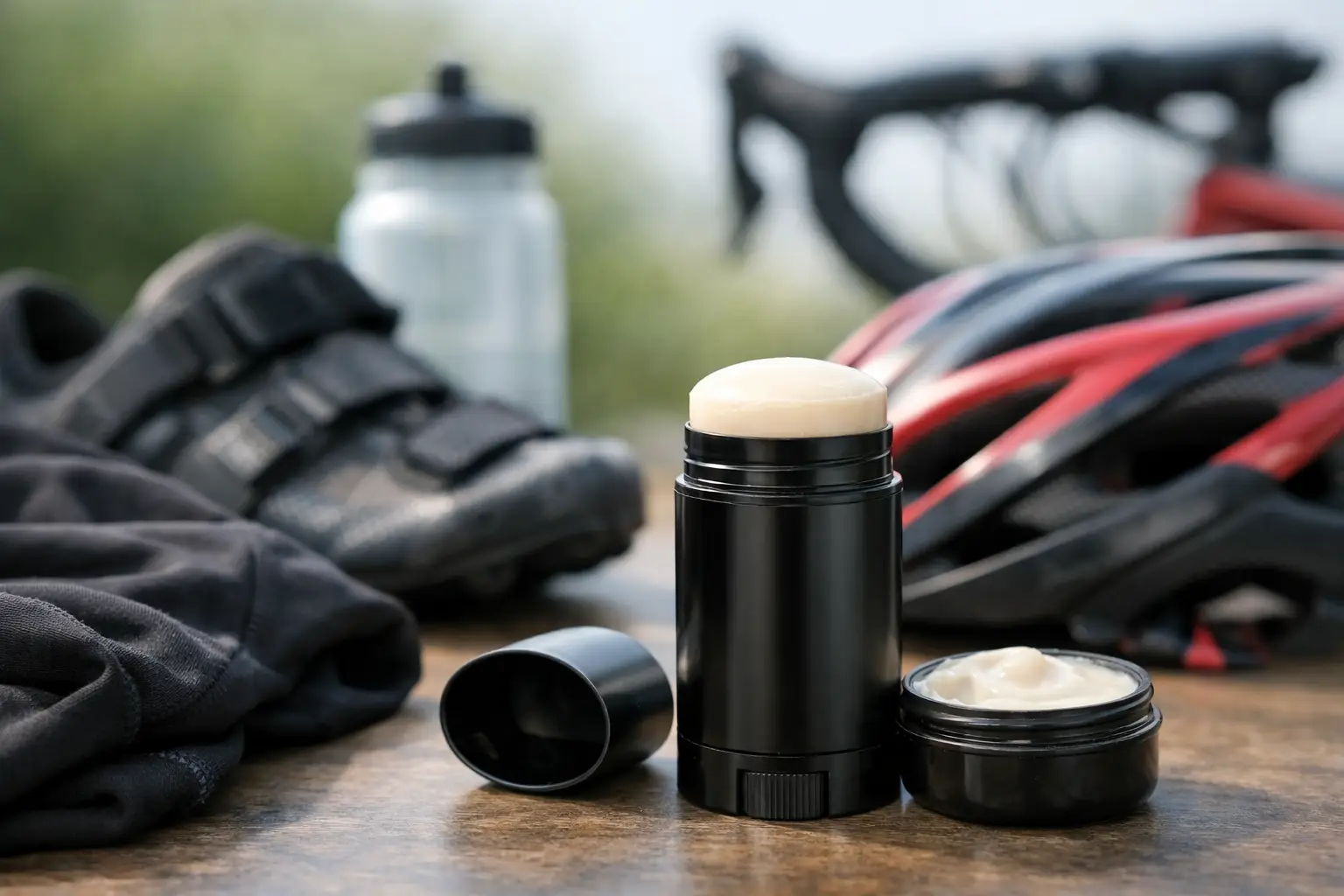
You can have the bike fit dialled in, the right shorts on, and a route worth waking up early for – then one hot spot starts building 20 minutes in and the whole ride changes. That is why anti chafe balm for cycling is not a luxury add-on. It is a practical part of staying comfortable, protecting your skin, and keeping your focus on the road or trail instead of the irritation building under your kit.
Cyclists tend to talk about power, cadence, gearing and tyres. Skin friction gets less attention, even though it can end a ride just as quickly as a mechanical. The constant repetition of pedalling, heat, sweat and pressure from the saddle create the perfect conditions for rubbing. Once that starts, it rarely gets better on its own.
Why cycling creates so much friction
Cycling is repetitive by design. Your legs move through the same range again and again, your shorts stay close to the skin, and your weight stays planted through the saddle for long periods. Even a good setup can create friction points when moisture and movement build together.
The most common areas are the inner thighs, groin, sit bone area and anywhere seams or pad edges press into the skin. Longer rides increase the risk, but short sessions can do it too, especially in warm weather or if you are new to riding. Indoor cycling can be just as tough because heat builds quickly and there is often less airflow.
Fit matters, of course. Shorts that bunch, a saddle that does not suit your position, or a bike fit that keeps you shifting around can all make things worse. But even when those pieces are sorted, skin still needs help dealing with repeated friction. That is where a balm earns its place.
What an anti chafe balm for cycling actually does
A good anti chafe balm for cycling creates a light protective layer on the skin so movement feels smoother and less abrasive. The goal is simple – reduce friction before it turns into redness, burning or broken skin.
That sounds straightforward, but performance matters. A balm needs to stay put when you sweat, feel comfortable under tight kit, and avoid leaving the skin greasy or heavy. If it rubs off too fast or feels messy, it becomes one more thing to manage during a ride.
For cyclists, the best balms are usually the ones that feel almost invisible once applied. You want protection, not a thick coating that makes your shorts feel slippery in the wrong way. A stick format is also practical because it is quick, controlled and easy to use before a ride or chuck in a bag for later.
Where to apply anti chafe balm for cycling
This depends on your body, your bike position and the kind of ride you are doing. There is no single map that works for everyone, which is why a bit of trial and adjustment matters.
Most riders do best applying balm to the inner thighs and around the edges of the area that contacts the saddle most. If you know you get rubbing where your shorts seam sits or where the chamois edge presses, target that too. Some riders also apply it to areas under the sports bra band or heart rate strap if friction builds there on long sessions.
The key is to apply before irritation starts. Balm works best as prevention, not rescue. If your skin is already raw, putting product on top may reduce a bit of rubbing, but it will not rewind the damage already done.
How to choose the right balm
Not every anti-chafe product feels right for cycling. Some are too oily, some too thick, and some break down quickly once sweat enters the picture. When you are choosing one, think less about flashy claims and more about how it performs under pressure.
Look for a formula that is designed to reduce friction without relying on petroleum-heavy residue. Many active people prefer something cleaner-feeling, especially under fitted shorts where texture matters. A balm should glide on easily, stay where you put it, and support comfort without clogging up your routine.
Skin sensitivity matters as well. Friction-prone skin is already under stress, so a simple formula is often the safer bet. If you ride often, you also want something you can use regularly without it feeling like a chore. That is one reason stick balms are popular – fast to apply, easy to carry, and less messy than dipping into a pot.
If you are doing daily training, commuting, spinning classes and weekend miles, convenience counts. The best product is the one you will actually use every time.
Balm versus padded shorts – you usually need both
A lot of riders assume good bib shorts or padded liners should solve everything. Quality shorts absolutely help, but they do a different job. The pad cushions pressure and improves comfort on the saddle. Balm targets friction at the skin level.
Think of it as support from both sides. Your kit helps manage contact and pressure. The balm helps reduce rubbing as your body moves inside that setup. On short, easy rides, some cyclists can get away with one or the other. On longer rides, hotter days or repeated training blocks, using both is usually the better call.
This is also why a premium pair of shorts does not always fix saddle soreness. Sometimes the issue is not just pressure. It is friction plus moisture plus time. If those three are building together, a balm can make a noticeable difference.
When to reapply and when to rethink your setup
For most rides, one solid application before you head out is enough. If you are riding for several hours, doing a multi-day event, or dealing with very wet conditions, reapplication can help – but it depends on the formula and how hard the ride is on your kit.
If you find yourself needing constant reapplication on ordinary rides, that is worth paying attention to. The problem may not be the balm alone. Shorts could be worn out, seams may be rubbing, or your saddle setup might need adjustment. Balm is a strong line of defence, but it is not there to mask every equipment issue forever.
The smart approach is to use it as part of a wider comfort system. Good shorts, a stable bike fit, clean kit and early prevention all work together. When one of those pieces is off, friction tends to find a way through.
Common mistakes cyclists make
The biggest mistake is waiting until there is already a problem. Chafing rarely appears out of nowhere. It starts as warmth, a slight rub, a small area that feels distracted rather than painful. That is the moment you want to be ahead of, not behind.
Another mistake is using too little product because you are worried about feeling greasy. You do not need to overdo it, but a light, proper application is better than a half-hearted swipe that misses the main friction zones.
Some riders also blame themselves when the issue is really their gear. If your shorts are old, the pad has shifted, or the fit is poor, skin irritation may keep showing up no matter how disciplined you are. Balm helps protect you, but it works best alongside kit that still does its job.
And then there is hygiene. Riding in damp kit for too long after a session, or reusing shorts without washing them properly, can make already stressed skin even more reactive. Prevention starts before the ride, but it carries on after you get off the bike too.
Who benefits most from using it
The honest answer is almost any cyclist can. New riders often benefit because their skin is not yet adapted to time in the saddle. Distance riders benefit because more hours usually mean more friction. Commuters benefit because everyday consistency can create irritation even without epic mileage.
It is also especially useful for riders training through summer, anyone doing indoor sessions, and cyclists whose skin is naturally sensitive. If you have ever cut a ride short because a hot spot turned into a real problem, you are exactly the kind of rider who should not be leaving comfort to chance.
For many people, a reliable balm becomes one of those quiet essentials – not glamorous, but absolutely part of the ride. That is why brands focused on friction prevention, including Runglide, have found a place not just with runners but with cyclists who want comfort they can trust.
The real win is consistency
One painful ride can put you off training for days. A week of recurring irritation can throw off your confidence, your routine and your enjoyment. That is the real value of using anti chafe balm for cycling. It is not about pampering. It is about removing a preventable barrier so you can ride more consistently and recover without skin drama tagging along.
The best cycling habits are often the least flashy ones. Check your tyres. Clean your kit. Apply the balm before you clip in. When your skin stays comfortable, everything else gets easier – from the first mile to the point where you stop thinking about discomfort and simply get on with the ride.