

Blog
Runglide vs Bodyglide vs Runguard vs Rubstick

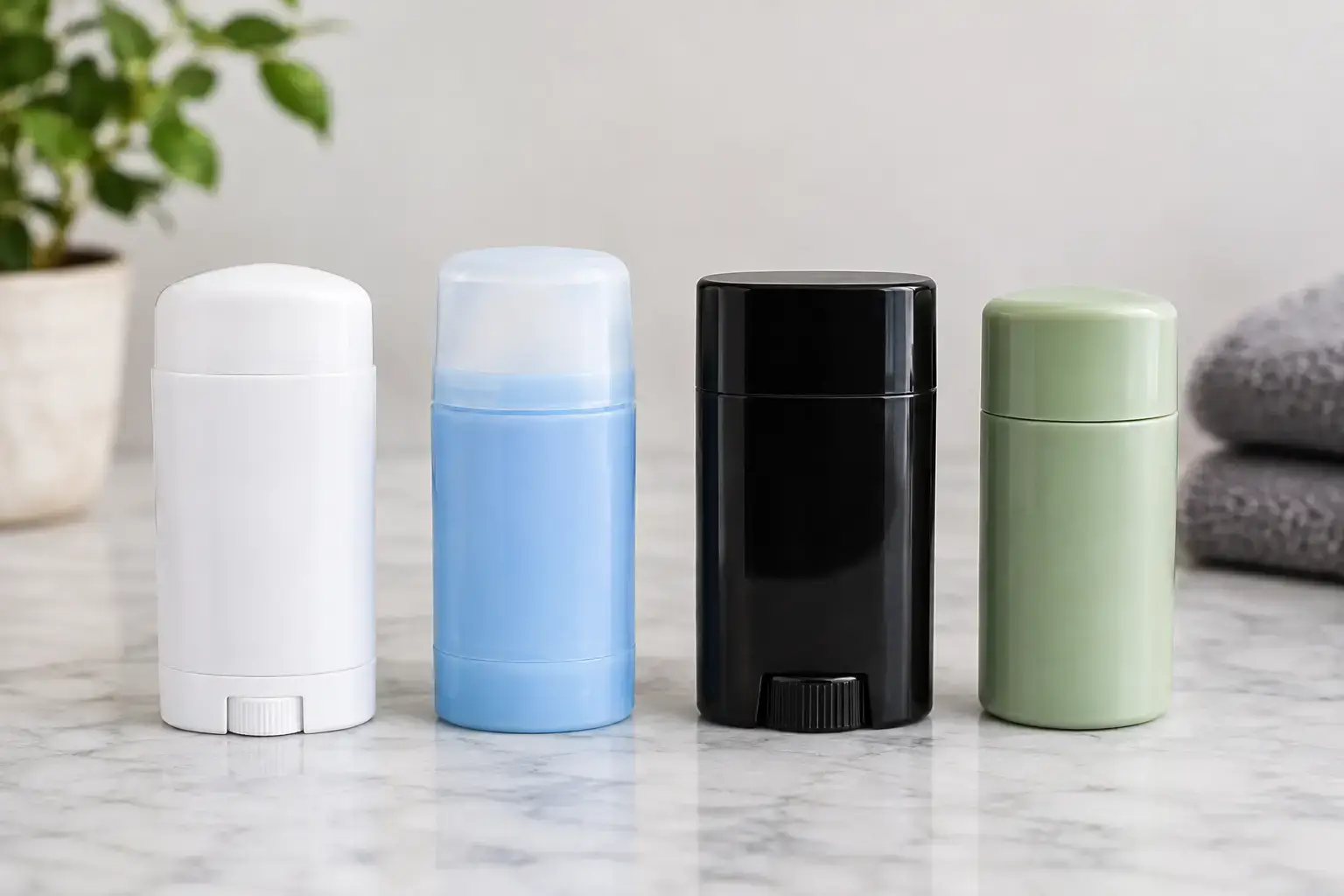
Friction has a way of making itself known at the worst possible moment: halfway through a long run, on a steep hike, during a hot commute, or when new shoes meet tired feet. In the Runglide vs Bodyglide vs Runguard vs Rubstick comparison, the right choice is not simply the one with the biggest name. It is the balm that feels good on your skin, suits how you move, and stays dependable when your day gets longer.
Anti-chafe products all aim to create a protective barrier between skin, clothing, footwear or equipment. Yet texture, ingredients, stick size and how a product holds up in heat, sweat and water can change the experience considerably. Here is how to make a useful comparison before your next session.
Runglide vs Bodyglide vs Runguard vs Rubstick: what matters
It is tempting to compare anti-chafe sticks as though they are interchangeable. They are not. A balm that works brilliantly for a short gym session may not be your favourite for a marathon, a multi-day trek or a summer holiday involving lots of walking.
Start with the friction problem you are trying to solve. Inner-thigh chafing needs a balm that applies widely and remains comfortable against moving skin. Nipple chafing, bra lines and backpack straps may call for more precise application. For blisters, the relationship between the product, sock, shoe fit and moisture management matters just as much as the balm itself.
Ingredients are also personal. Some people prefer a firmer, waxier feel, while others want a smoother glide that is easy to apply without tugging. If you have sensitive skin, read the current ingredient list carefully and patch test first. Formulas can change, so a product description from several years ago is not a substitute for the label in your hand.
How the four anti-chafe options compare
Runglide
Runglide is built around one job: helping active people reduce friction before it becomes a distraction. Its RG Anti Chafe Balm comes in a portable stick designed for runners, cyclists, hikers, gym-goers and anyone dealing with everyday rubbing from clothing or skin-on-skin contact.
The key appeal is a straightforward, performance-minded formula with natural ingredients, without petroleum or oils, and without animal testing. That makes it a strong option for people who want a clean-feeling barrier rather than a heavy or greasy coating. The stick format is practical too: apply it where you need it, put the cap back on, and get moving.
Runglide can suit high-friction areas such as thighs, underarms, feet, sports-bra lines and areas affected by waistbands or kit. There are unisex and women-specific options, which may be helpful when you want a product that feels considered for your routine rather than a generic afterthought. Based in Newry, Northern Ireland, Runglide also offers a useful option for customers across the UK, Ireland and Europe who want a dedicated friction-prevention brand close to home.
Bodyglide
Bodyglide is one of the best-known names in the category, and its broad recognition is a genuine advantage if you want a familiar, widely used sports anti-chafe stick. The range has traditionally appealed to runners, endurance athletes and people looking for an easy barrier balm.
Its strength is familiarity. Plenty of athletes have used it for years, so there is a large body of personal experience around where and how it performs. The trade-off is that the brand offers several products and formulations, meaning you need to check which specific stick matches your use case. A version designed for feet, for example, may not feel identical to one intended for general body friction.
If you already know you like the texture and wear of Bodyglide, there is little reason to change purely for the sake of it. But if you are looking for a petroleum-free, oil-free option with a focused anti-chafe identity, compare the current labels and decide based on how the balm feels on your skin.
Runguard
Runguard is often considered by runners looking for longer-lasting protection during demanding mileage. It tends to enter the conversation when people are preparing for races, training blocks or events where sweat, repetitive movement and long hours in kit can expose every weak point in a routine.
For endurance use, the practical question is not whether a product works at the start. It is whether it remains comfortable after several hours of heat, moisture and movement. Some athletes prefer a more substantial barrier for precisely that reason. Others find that a lighter, cleaner-feeling stick is more pleasant for everyday training.
Runguard may be worth considering if you want an anti-chafe product specifically associated with distance running. Still, no balm can compensate for poor kit choices. Test your shorts, socks, sports bra, hydration pack and shoes together before event day. Friction prevention works best as part of a system.
Rubstick
Rubstick is another anti-chafe option for people who want a simple stick application rather than creams, powders or improvised fixes. Its main attraction is likely to be convenience: swipe on the areas that rub, carry it if needed, and avoid the mess of a tub or lotion.
As with every balm, check the texture and ingredient profile against your preferences. Some people want maximum slip; others want a formula that feels dry and unobtrusive once applied. The best test is your real routine: a long walk, a run in warm weather, a cycle in fitted clothing or a full day on your feet.
Rubstick can be a sensible choice when it is accessible to you and agrees with your skin. The decision becomes more nuanced if you are choosing between products for repeated sport use, especially when you have strong preferences around ingredients, cruelty-free standards or a non-oily feel.
Choose by activity, not just by brand
For running, focus on staying power where your stride creates repeated rubbing. Inner thighs, underarms, toes, bra lines, waistbands and nipples are common pressure points. Apply before you start to clean, dry skin. Do not wait for a hot spot to turn into sore, broken skin.
For hiking and trekking, feet deserve extra attention. Apply balm to known rubbing zones, then pair it with well-fitted footwear and appropriate socks. If you are breaking in new boots, carry blister plasters as a back-up. A good anti-chafe balm can reduce friction, but it cannot fix a boot that is the wrong size or soaked through.
For cycling, think beyond the saddle area. Seams, shorts, jersey edges and straps can all cause irritation. A balm may help at contact points, but cyclists should choose products based on the specific skin area and their own comfort with the formula. Products marketed as general anti-chafe sticks are not automatically a replacement for every specialist cycling product.
For daily life, a compact stick is often all you need. Thigh chafing in warm weather, rubbing from workwear, walking on holiday and long travel days are not athletic problems, but they are still friction problems. A non-greasy, easy-to-apply balm can be invisible armour between you and an uncomfortable day.
The small details that make a big difference
Application matters more than most people realise. Use enough product to cover the whole friction zone, not just the centre of it. Reapply when you are sweating heavily, swimming, changing clothing or spending much longer active than planned. And never share a stick if someone has a skin infection, rash or broken skin.
If chafing keeps returning in the same place, investigate the cause. A seam may be sitting poorly, fabric may be worn out, socks may be slipping or your clothing may be holding moisture. Balm gives you protection, but small changes to fit and fabric can prevent the problem from returning.
The most effective choice is the one you will use consistently. Keep your anti-chafe stick beside your trainers, in your running belt or with your travel essentials. When it becomes part of your routine, comfort stops being something you hope for and becomes one less barrier between you and the miles ahead.