

Blog
Activewear Irritation Guide for Comfortable Movement

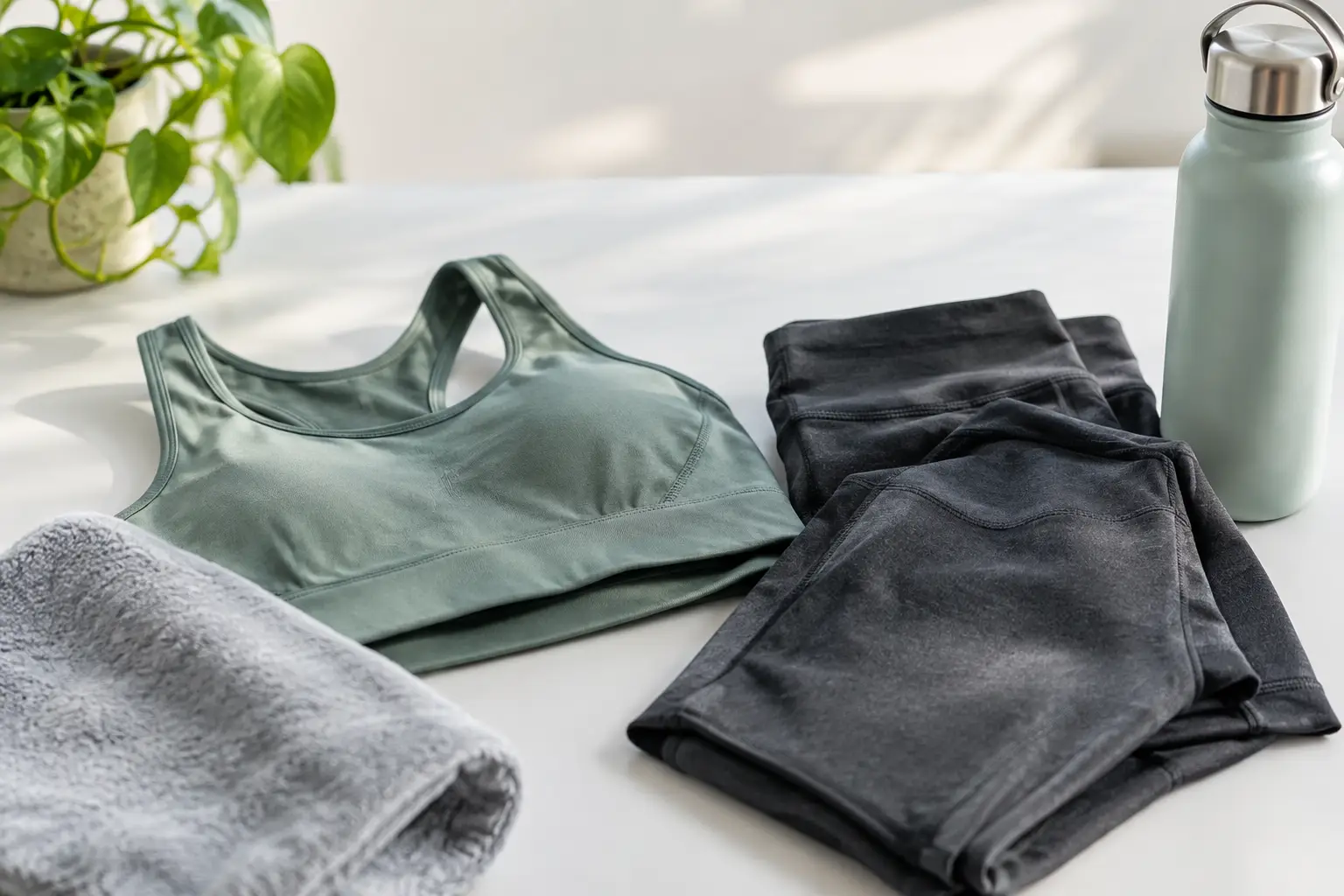
A run can feel perfect for the first few miles, then one rubbing seam, damp waistband or hot spot in a trainer changes everything. This activewear irritation guide is for anyone who wants to train, hike, cycle, walk or travel without friction becoming the reason to stop. Irritation is not a toughness test. It is a signal that skin, clothing, footwear and movement are working against each other.
The good news is that most chafing and blisters are preventable. A few targeted changes can protect your skin, preserve your focus and help you keep moving with confidence.
What causes activewear irritation?
Activewear irritation usually starts with repeated friction. Skin rubs against skin, fabric moves across the body, or a sock and shoe create pressure in the same spot thousands of times. Add heat, sweat and salt, and the skin becomes softer and more vulnerable.
The first signs are often easy to miss: warmth, tingling, tenderness or a faint red patch. Keep going without addressing it and mild rubbing can become painful chafing, broken skin or a blister. That is why prevention works best before you leave the house, not when discomfort has already taken hold.
The trigger is rarely just one thing. A pair of leggings that works brilliantly for a cool 5K may become irritating on a humid long run. Cycling shorts may feel fine on a short commute but rub after several hours in the saddle. Fit, weather, duration and your individual movement pattern all matter.
Activewear irritation guide: find the friction point
Before replacing your entire kit, work out exactly where irritation begins. The location often tells you what needs to change.
Inner-thigh chafing is commonly skin-on-skin friction or shorts that ride up. Underarm irritation can come from armholes, side seams or a vest that shifts as you swing your arms. A sore sports-bra line may point to a band that is too loose and moving, or too tight and digging in. Waistband chafing can be caused by rough elastic, a drawstring knot or fabric that bunches when you bend.
Feet need their own inspection. Blisters on the heel often indicate slipping, while blisters on toes may mean a cramped toe box, damp socks or nails catching inside the shoe. A blister on the ball of the foot may be related to mileage, insoles, socks or a change in running form. Do not assume the shoe is automatically the culprit, although worn-out footwear deserves attention.
If the same area flares up repeatedly, make a note of the activity, distance, weather, clothing and footwear involved. Patterns show up quickly. This simple check turns vague discomfort into a practical problem you can solve.
Choose kit that stays put
The best activewear is not always the tightest, lightest or most expensive. It is the kit that moves with you without folding, dragging, twisting or retaining too much moisture.
Look for smooth, flat or carefully positioned seams in high-friction areas. For longer sessions, choose shorts with enough leg length to prevent riding up, and test them while walking, squatting and lifting your knees. If fabric rolls at home, it is likely to roll more once sweat and movement enter the picture.
Moisture-wicking fabric can help, but it is not a guarantee against chafing. Some technical materials feel slick yet create rubbing when they become saturated. Others dry quickly but have firm seams or textured panels. Cotton can be comfortable for low-intensity everyday wear, but it tends to hold moisture during a sweaty session. There is no universal winner – your best option depends on the activity, your skin and how long you will be moving.
For feet, prioritise socks that fit closely without constricting the toes or sliding at the heel. Match the sock thickness to the volume of your shoes. A thicker sock in an already snug trainer can create pressure; a very thin sock in a roomy shoe can allow excess movement.
New kit should earn its place before race day, a mountain trek or a long holiday walk. Wear it for a shorter training session first. This is especially useful with new sports bras, cycling shorts, running shoes and backpacks, where small fit problems can become major friction over time.
Build a pre-movement protection routine
A reliable routine takes less time than dealing with sore skin afterwards. Before a longer run, gym session, ride, hike or day of sightseeing, start with clean, dry skin. Apply a friction barrier to the places that usually rub: inner thighs, underarms, bra lines, waistbands, heels, toes or anywhere equipment repeatedly contacts the body.
A balm creates a protective layer so surfaces glide rather than grind. Runglide RG Anti Chafe Balm is a portable, petroleum-free option designed for this job, helping protect common friction zones without adding unnecessary fuss to your kit bag.
For longer or wetter outings, carry the product you trust so you can reapply if needed. Sweat, rain, water crossings and extended mileage can reduce how long any barrier lasts. Reapplication is not a failure of preparation; it is part of managing a changing environment.
Your routine should also include a quick check for small issues that become big ones. Smooth out socks, remove grit from shoes, adjust a twisting waistband and make sure backpack straps sit evenly. Five minutes of preparation can protect hours of movement.
Manage sweat before it manages you
Sweat is not the enemy. It cools you down and supports performance. But once clothing is drenched, friction rises and fabric can pull differently against the skin.
Dress for the conditions rather than the first ten minutes outdoors. If you are likely to warm up quickly, begin with layers you can remove. On long hikes or endurance events, a spare dry top or socks can be more useful than another gadget. Changing damp clothing at the right time may prevent a problem before it develops.
After swimming, sea dips or a very wet workout, do not stay in soggy kit longer than necessary. Rinse away chlorine, salt or sweat, dry the skin gently and change into dry clothes. Salt residue can make already-sensitive areas sting, particularly where skin has rubbed.
Hot weather demands extra attention, but cool conditions can cause chafing too. Winter running layers may trap sweat against the body, while rain can saturate socks and shoes. Plan around moisture, whatever form it takes.
When irritation has already started
If you feel a hot spot, stop and deal with it early when you can. Adjust the source of friction, dry the area, add a protective layer and reduce rubbing before it becomes a wound. Pushing through may be necessary in a race or on a remote trail, but it comes with a trade-off: more pain now and potentially longer recovery afterwards.
For chafed skin, clean the area gently and keep it dry. Avoid clothing that continues to rub while it settles. For an intact blister, protect it from further friction rather than automatically bursting it. If skin is broken, keep it clean and covered appropriately.
Seek advice from a pharmacist or healthcare professional if redness spreads, the area becomes hot or swollen, there is discharge, pain is worsening, or you have diabetes, poor circulation or another condition affecting skin healing. Prevention products are excellent tools, but they are not a substitute for medical care when infection or significant injury is a possibility.
Comfort is part of performance
Do not wait until you have a marathon, multi-day hike or major cycling event planned to take friction seriously. Everyday dog walks, commutes, gym sessions and warm-weather travelling create the same conditions on a smaller scale. Comfortable movement makes consistency easier, and consistency is where progress happens.
Treat skin protection as you would hydration, a charged watch or the right socks: a small piece of preparation that lets you focus on the miles, the views and the feeling of getting stronger. Your kit should support your effort, not leave you counting down until you can stop.