

Blog
Gym Equipment Friction Protection Guide for Better Training

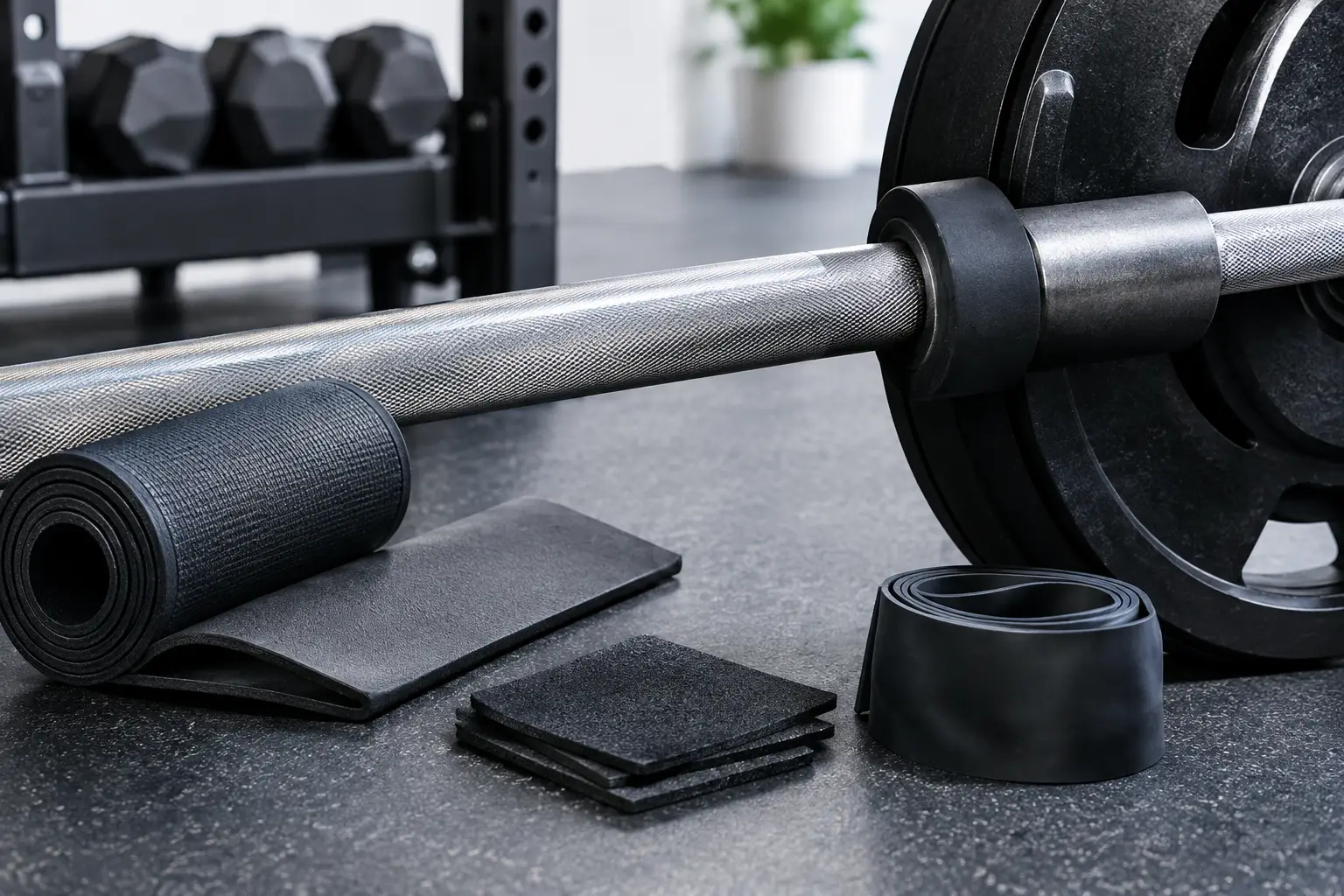
The rower handle starts to rub. The bar catches at the front of your shoulders. Your inner thighs feel raw halfway through a treadmill session. These are small distractions until they alter your form, shorten your workout or make tomorrow’s training feel impossible. This gym equipment friction protection guide is about keeping skin comfortable where repeated movement, sweat, clothing and equipment meet.
Friction is not a sign that you need to toughen up. It is usually a signal that one part of your setup needs attention. A small change in clothing, grip, technique or skin protection can stop a minor hot spot becoming the reason you skip your next session.
What gym equipment friction does to your skin
Friction happens when two surfaces repeatedly move against each other. At the gym, that may be skin against skin, skin against fabric, or skin against a handle, saddle, bench edge or lifting bar. Sweat adds another variable. It can soften the outer layer of skin while making clothing shift, which raises the chance of rubbing.
Pressure makes the problem more intense. A loaded bar resting across your upper back is not the same as a loose T-shirt brushing your arm. Likewise, a spin bike saddle may create both pressure and movement, while a rowing handle can rub the same patch of palm thousands of times. The answer depends on the contact point, the session length and how much you sweat.
Early signs are easy to overlook: warmth, tingling, a shiny patch of skin, tenderness or a pinpoint area that feels different from the surrounding skin. Pay attention at this stage. Once skin is broken, even your favourite leggings or well-worn trainers can become uncomfortable.
Gym equipment friction protection guide: find the contact points
Before adding products or buying new kit, work out precisely where friction starts. Think through your session from warm-up to finish. The cause is often more specific than simply saying that running, lifting or cycling causes chafing.
Hands, palms and fingers
Dumbbells, kettlebells, pull-up bars, cable attachments and rowing handles all place repeated demand on the hands. Some callus development is normal, particularly with lifting, but painful tears are not a training badge of honour. They can affect grip and expose sensitive skin.
Check your grip before blaming the handle. Holding a bar too deeply in the palm can cause the skin to bunch and pinch, especially during pull-ups and deadlifts. Positioning it closer to the base of the fingers often reduces folding. Dry hands can improve control for some lifts, while sweat may make the skin slide and rub. If you use grips or gloves, make sure they fit closely. Loose material creates its own friction points.
A protective balm is generally better suited to skin-on-skin or clothing-on-skin rubbing than to areas where you need maximum bar grip. Do not apply balm to equipment handles, bars or grips. It can compromise your hold and leave a surface unsafe for the next person.
Inner thighs, groin and underarms
Treadmill intervals, stair climbing, functional circuits and long cardio sessions can all cause thigh chafing. The issue is especially common when warm conditions, sweat and a longer stride combine. Underarms can rub against a vest, sleeve seam or the side of the torso during running, ski erg work and high-repetition conditioning.
Choose shorts or leggings that stay in place rather than creeping upwards every few minutes. Longer inseams can help with inner-thigh contact, but fabric choice still matters. A pair that feels perfect for a 20-minute walk may become irritating during a 90-minute gym session. Apply a skin barrier before training to clean, dry areas that regularly rub, then let your movement test the setup.
Shoulders, back and chest
Barbells, weighted vests, backpack-style resistance equipment and even repetitive bench work can create rubbing around the shoulders, upper back and chest. Seams, zips and rough fabric labels are often the real culprit. A fitted base layer can protect the skin, but if it is too tight or wet, it may create more heat and friction.
For barbell work, focus first on safe rack position and technique. Padding can be useful for particular exercises or sensitive areas, but it should never make an unstable setup feel acceptable. If a bar is digging into your neck rather than resting securely across the appropriate muscles, ask a coach to check your position.
Feet and ankles
Treadmills, assault bikes, sled pushes and gym classes put feet through repeated loading. Blisters commonly form at the heel, toes, ball of the foot or where the shoe collar meets the ankle. Trainers that are too big allow the foot to slide; trainers that are too small create constant pressure. Both can lead to hot spots.
Wear technical socks that manage moisture and fit without bunching. Lace shoes securely enough to limit heel lift, but not so tightly that they compress the forefoot. If one location repeatedly blisters, inspect the shoe interior for a worn seam or rough edge. Replacing a tired pair of trainers can be more effective than trying to protect around a failing fit.
Build protection around your training, not against it
The most reliable approach uses layers. Start with equipment that fits, then add clothing that stays put, and use targeted skin protection where your personal friction points occur. This avoids the common mistake of trying to solve every discomfort with one product.
For skin-on-skin rubbing and clothing friction, a portable anti-chafe balm can act as invisible armour before you begin. Apply it directly to intact skin in a light, even layer, especially on areas you know from experience are vulnerable. Runglide Anti Chafe Balm is designed for this practical pre-workout step, helping active people move comfortably without making a training bag more complicated.
There are trade-offs. Compression clothing can reduce movement between fabric and skin, but some people find it too warm for intense indoor training. Gloves may protect the hands, but can affect feel and grip on certain lifts. A balm can reduce rubbing on thighs or underarms, but it cannot correct shoes that do not fit or a saddle set at the wrong height. Use the solution that addresses the actual cause.
A simple pre-gym routine that holds up
Give yourself a two-minute check before the first set. Wear clean, fully dry kit, as dried sweat and detergent residue can make fabric less comfortable. Check that socks lie flat, shoes are secure and any straps, belts or supports have no twisted edges.
Then protect known rubbing zones before sweat builds. This matters most on longer sessions, new training plans and days when you are trying unfamiliar equipment. If you are testing new shorts, trainers or a weighted vest, do it during a shorter session first. Long workouts are a poor time to discover that a seam does not agree with you.
During training, respond early. Adjust a sleeve, re-tie a shoe or change a handle position when you notice a hot spot. A 30-second pause is better than pushing through until the area is sore. Wipe away excess sweat if it is causing fabric to move, and avoid borrowing ill-fitting gloves or straps simply because they are nearby.
When to stop and let skin recover
Redness that settles soon after training is one thing. Broken skin, bleeding, swelling, significant pain or signs of infection need a proper break from the activity causing the irritation. Keep the area clean and avoid further rubbing while it heals. Seek advice from a pharmacist or healthcare professional if symptoms are severe, worsening or not improving.
You do not lose momentum by protecting your skin. You preserve it. The best gym routine is the one you can return to confidently, whether you are building strength, chasing a new distance or simply making movement part of your week. Make friction protection part of your kit check, and give your effort the comfortable foundation it deserves.