

Blog
Natural Anti Chafe Balm Review for Active Days

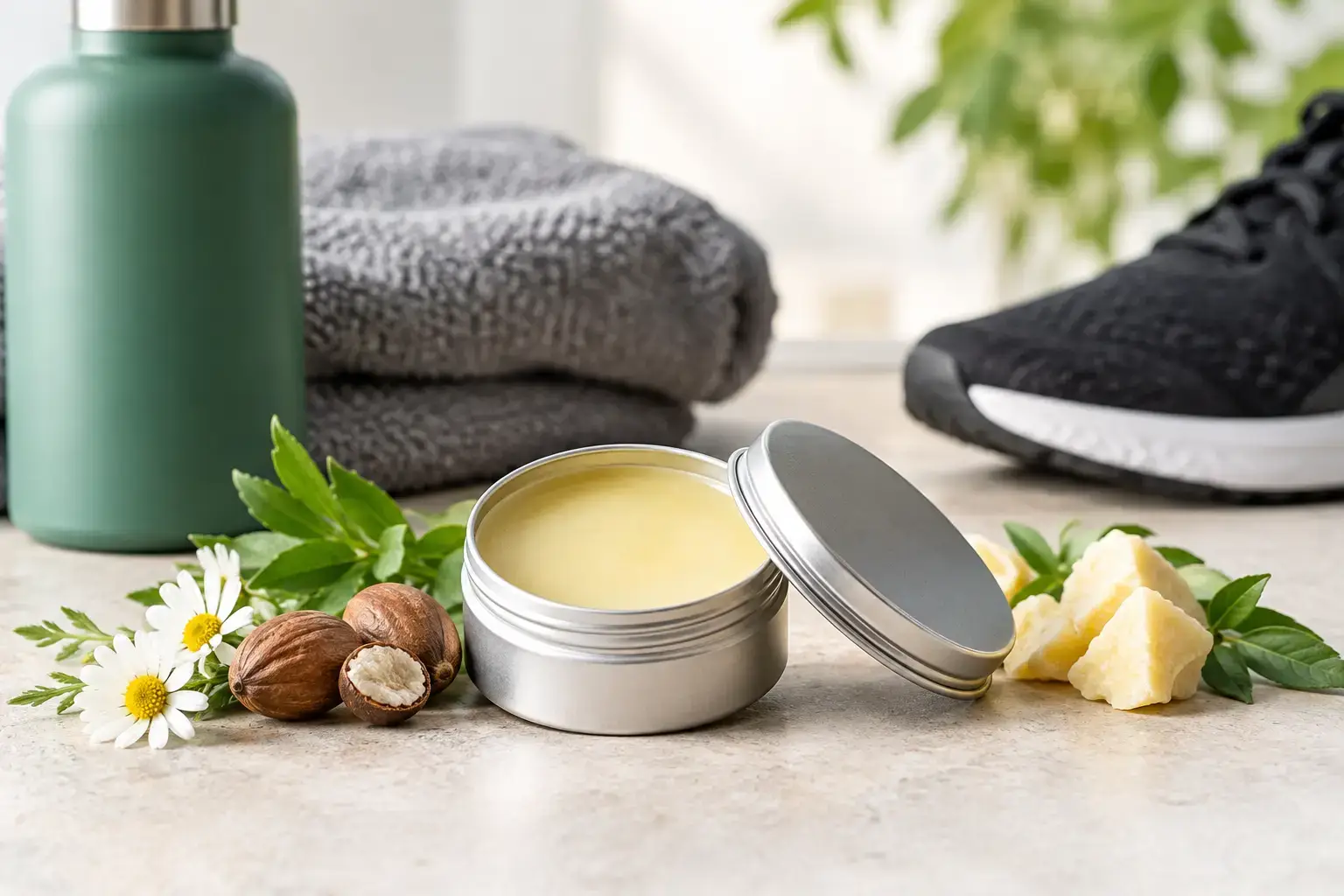
A long run can be going perfectly until the familiar burn starts at mile six. A coastal walk, cycle commute or humid holiday can have the same effect. This natural anti chafe balm review focuses on what actually matters when friction is the problem: how a balm feels, how long it lasts and whether it lets you keep moving without turning your skin into an afterthought.
Chafing is not a toughness issue. It is a friction issue. Repeated rubbing from skin, seams, socks, shoes or equipment can leave skin sore, red and tender, while pressure and moisture can create the hot spots that become blisters. The right balm creates a protective glide layer before movement begins. Think of it as invisible armour for the places most likely to rub.
What a natural anti chafe balm should do
The word “natural” is useful only when it is backed by performance. A balm can feature plant-derived ingredients and still feel too greasy, soften quickly in heat or disappear before your session is over. Equally, a product made for endurance should not leave you feeling coated, sticky or worried about marks on kit.
A strong anti-chafe balm needs to reduce drag from the first application and stay present through movement. For runners, that might mean thighs, underarms, sports-bra lines, nipples or the waistband area. Hikers may need protection at heels, toes and backpack contact points. Cyclists often apply it where shorts, saddle contact and repetitive pedalling create rubbing. Everyday users may simply want comfortable thighs beneath dresses, trousers or workwear.
The best test is not how a balm performs for thirty seconds in your hand. It is whether it stays comfortable after several hours of warmth, sweat and motion.
Glide without the greasy feel
A quality formula should spread easily with a few passes of the stick, leaving a smooth barrier rather than a wet, oily residue. Too little glide means the skin still catches. Too much can make clothing shift or leave you feeling slippery before you have even left the house.
Stick application is a real advantage here. It keeps the product where it belongs, lets you cover a precise area and avoids balm-covered fingers when you are in a changing room, beside the trail or getting ready at work. It is also easier to reapply than a tub when your hands are already sweaty or dusty.
Staying power matters more than novelty
A balm that feels brilliant at the start but wears away quickly is not much help on a long training day. Sweat, rain, heat, sea water and repeated contact all put the barrier under pressure. There is no single answer for every activity: a short gym session may need one application, while an all-day hike or marathon may call for a more generous layer and a top-up in your bag.
That is why portability is part of performance. A compact stick is simple to carry in a running belt, rucksack, kit bag or suitcase. Prevention works best when you can use it before discomfort starts, not only once chafing has already appeared.
Natural anti chafe balm review: what to check
When comparing options, look past broad claims on the front of the pack. The practical details tell you whether a balm suits your routine.
First, consider the formula’s purpose. An anti-chafe balm should be designed specifically for friction prevention, rather than acting as a general moisturiser that happens to feel slippery. A targeted friction barrier is more useful for recurring trouble spots because it is made to cope with movement.
Next, think about your own sensitivities. Natural ingredients are not automatically right for every skin type. Fragrance, botanical extracts and essential oils can be pleasant for some people and irritating for others, particularly on recently shaved skin or areas already inflamed by rubbing. If you have sensitive skin, patch-test a small area before relying on a new balm for race day or a long walk.
Then assess how it fits your clothing and conditions. A transparent, non-greasy finish is helpful under lighter summer clothes and close-fitting technical kit. If you train in hot weather, a firmer stick that applies cleanly can be more convenient than a soft balm that melts into a mess. In cold conditions, some balms may need a moment against warm skin before they glide smoothly.
Finally, look at the brand’s wider standards. Many active people prefer a petroleum-free, oil-free and cruelty-free option that supports their personal-care choices as well as their training. Those qualities do not replace good performance, but they can make the right product easier to use every day.
Where balm makes the biggest difference
The temptation is to apply anti-chafe protection only where you were sore last time. That is a sensible starting point, but friction can move when you change shorts, shoes, route, weather or distance. New kit often creates new pressure points.
For skin-on-skin chafing, apply balm directly to clean, dry skin at the inner thighs, beneath the arms or anywhere folds of skin repeatedly rub. Use enough to create an even layer, but do not overdo it. A few deliberate swipes normally beat a thick coating that transfers into clothing.
For foot comfort, apply it to high-risk areas before putting on socks: heels, the sides of toes, under the ball of the foot and anywhere a previous blister has formed. This is particularly useful when breaking in footwear, walking on uneven ground or increasing mileage. Balm reduces friction, but it cannot fix shoes that are the wrong size or socks that bunch and trap moisture.
For clothing and equipment contact, follow the line of the friction rather than treating a whole area. A sports-bra band, waistband, hydration vest edge or saddle-contact point may need a narrow, intentional application. This keeps the routine quick and means the stick lasts longer.
The trade-offs worth knowing
No balm can solve every cause of irritation. If your skin is already broken, bleeding, infected-looking or increasingly painful, stop applying friction products and give it time to recover. Seek advice from a healthcare professional if symptoms are severe, persistent or concerning.
It also pays to distinguish chafing from other issues. A rash that appears without rubbing, widespread itching or a reaction that worsens after using a product may not be simple friction. Do not push through and assume more balm is the answer.
Performance also depends on the rest of your system. Well-fitting shoes, breathable socks, clean dry kit and clothing without harsh seams make anti-chafe balm more effective. For endurance events, practise your full routine in training. Race day is not the moment to test a new formula, a new pair of shorts and a new application method together.
A practical verdict for active routines
A natural anti-chafe balm earns its place when it makes prevention effortless. It should apply cleanly, reduce rubbing without a heavy feel and travel easily enough that you will actually use it before a run, hike, ride, gym session or day out. The most impressive ingredient list means little if the product is awkward to apply or fails halfway through your plans.
Runglide RG Anti Chafe Balm is built around that focused job: helping active people protect high-friction areas with a portable, petroleum-free and cruelty-free stick. For people who want a dependable barrier without adding fuss to their kit routine, that narrow focus is a strength.
Use balm proactively, not as a last-minute rescue. A few seconds before you move can protect the confidence to go further, stay out longer and enjoy the miles ahead.