

Blog
Chafing Prevention That Keeps You Moving

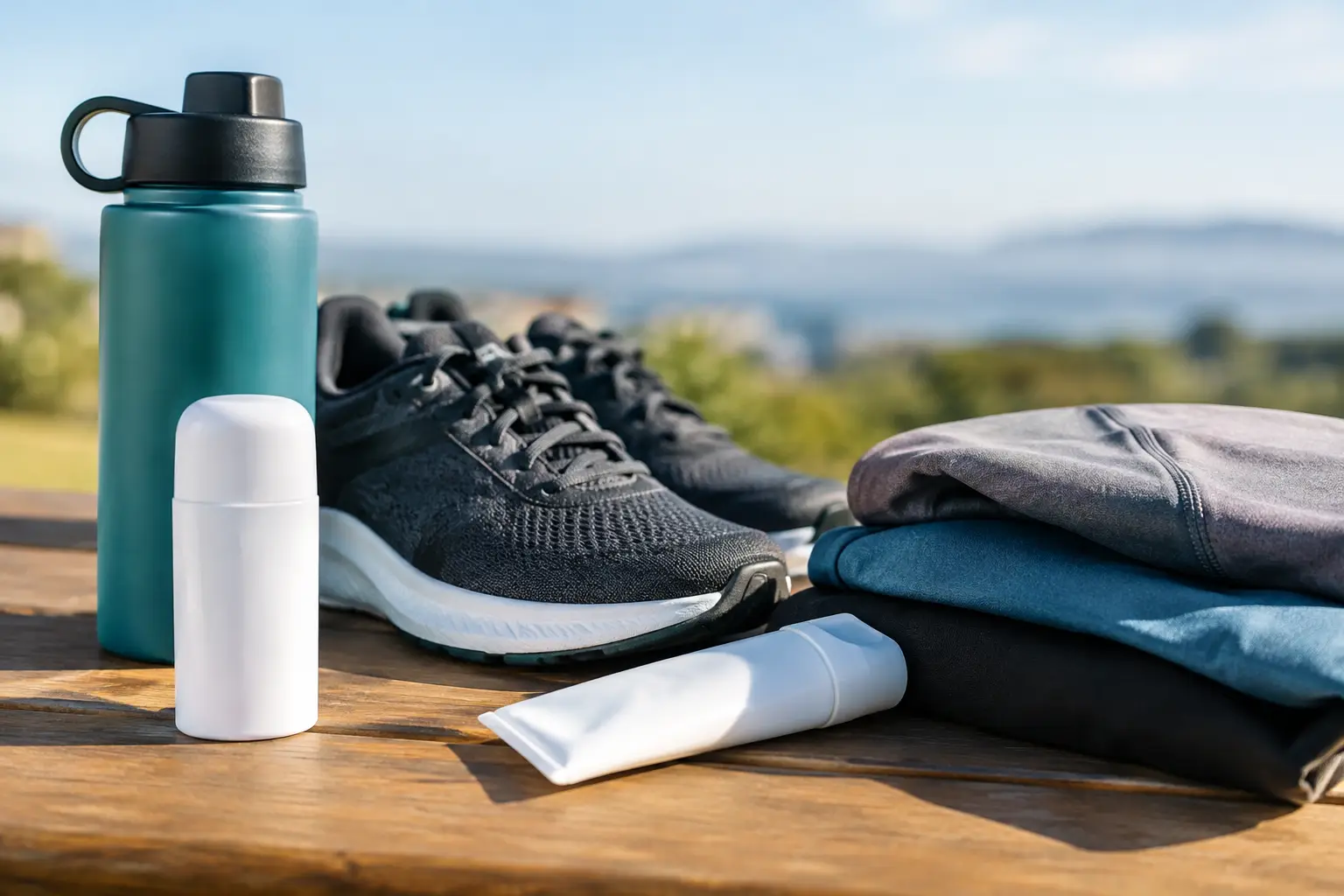
A run can feel perfect until the sting starts. The same goes for a long hike, a summer walk, a cycle commute or a day spent travelling. Effective chafing prevention is not about toughing it out. It is about removing a small, preventable barrier before it becomes the reason you cut your day short.
Friction is part of movement. Pain does not have to be. With a little preparation, the right clothing and targeted skin protection, you can stay focused on the miles, the view or simply getting on with your day.
Why chafing happens
Chafing occurs when skin repeatedly rubs against skin, fabric, footwear or equipment. Heat, sweat, moisture and salt make that friction more intense, gradually wearing down the outer layer of skin. What begins as a warm spot or mild itch can quickly become redness, tenderness and raw skin.
Thighs, groin folds, underarms, nipples, bra lines, waistbands, toes, heels and the arches of the feet are common trouble spots. But the exact area depends on how you move, what you wear and the conditions you train in. A runner may struggle with inner-thigh rub on a humid long run, while a cyclist may notice irritation where shorts, saddle and sweat meet. For hikers, a slightly loose sock can turn into a blister long before the summit.
There is no single body type, sport or fitness level that is immune. Chafing is a friction problem, not a failure of fitness. The best approach is to identify your personal hotspots and protect them before movement starts.
Chafing prevention starts before you leave
The most reliable time to deal with friction is before you are sweaty, several miles from home or halfway through an event. Build a quick pre-activity check into your routine, especially before long sessions, warm-weather training or a new route.
Start with clothing that stays put. Fabrics that wick moisture away from the skin are often more comfortable than heavy cotton, which can hold sweat and become abrasive. Seams, labels and loose waistbands can cause problems too. Test new shorts, leggings, sports bras and socks on a shorter outing before trusting them on race day or a full-day trek.
Fit matters as much as fabric. Clothing that is too loose can bunch and rub, but overly tight kit can create pressure points and trap heat. The goal is secure, comfortable movement. If you repeatedly adjust an item while exercising, it is worth investigating before it irritates your skin.
Footwear deserves the same attention. Shoes with enough room for natural foot swelling, properly fitted socks and laces that hold the heel securely can reduce the sliding that leads to hot spots. Do not save new shoes for an important event. Break them in gradually and pay attention to any area that feels warmer or more sensitive than usual.
Use a barrier where friction is predictable
An anti-chafe balm creates a protective glide between skin and the source of rubbing. Apply it generously to clean, dry skin before activity, focusing on areas that have caused trouble before. For many people, that means inner thighs, underarms, feet, bra lines or waistband areas.
A stick format makes this simple: swipe, go and keep it in your kit bag for longer days. Runglide Anti Chafe Balm is designed as portable invisible armour for high-friction areas, helping active people move with greater comfort without relying on petroleum or oils.
The amount you need depends on the activity. A short gym session may require only a light application, while an endurance run, a long cycle or a humid hike may call for a more generous layer and a mid-session top-up. This is not over-preparation. It is practical planning.
Match your strategy to the activity
Different activities create friction in different ways, so your prevention routine should reflect the demands of the day.
Running and walking
For runners and walkers, repeated leg movement makes inner thighs, toes, heels, underarms and waistband lines key areas to protect. Long distances and warm conditions raise the risk, but so can wet weather if clothing and socks become saturated.
Apply balm before you set off rather than waiting for discomfort. If you are increasing distance, changing your stride or wearing new kit, treat the first few outings as a test. Note where you feel rubbing and make small adjustments. A better sock, a different short length or a little more barrier protection can make a major difference.
Hiking and trekking
A hike can involve hours of movement, changing temperatures and uneven ground. That combination is particularly tough on feet. Socks that fit well, dry footwear and early attention to hot spots are essential. If a specific point on your foot starts to feel hot or tender, stop before it becomes a blister. A two-minute adjustment is far better than limping through the rest of the trail.
Also think beyond your feet. Backpack straps, waist belts and damp layers can create rubbing around shoulders, hips and the lower back. Choose gear that fits your body, then protect any familiar pressure points before loading up.
Cycling and gym training
Cyclists face close contact between skin, clothing and saddle, often for long periods. Quality cycling shorts that fit correctly help, but preparation still matters. Sweat, heat and repeated pedalling can make an initially comfortable setup feel very different after an hour.
In the gym, friction often comes from movements rather than mileage. Rowing, indoor cycling, strength circuits and high-repetition exercises can cause rubbing at the thighs, underarms, hands or waistband. If a session has you moving hard and sweating heavily, skin protection is just as useful as it is outdoors.
Everyday comfort and travel
Chafing prevention is not reserved for athletes. A hot commute, sightseeing holiday, a full day on your feet or a long-haul flight can all bring skin-on-skin rubbing into play. Applying a barrier before a day of walking or wearing clothes that reduce friction can help you stay comfortable without changing your plans.
That everyday usefulness matters. The best anti-chafe routine is one you will actually use, whether you are preparing for a half marathon or heading out in summer clothes.
Sweat, weather and reapplication
Moisture is one of the biggest variables in friction. Sweat softens the skin and salt can add irritation, while rain or puddles can leave socks and seams rubbing for hours. High humidity makes it harder for sweat to evaporate, so the conditions may demand more preparation than the distance alone suggests.
Plan to reapply protection during particularly long or wet activities. Carrying a compact stick is easier than hoping the discomfort settles. Change out of damp clothing as soon as practical afterwards, especially after a race, hike or hard training session.
Hydration can help support overall comfort too, but it will not replace a physical friction barrier. Think of hydration, clothing choice and balm as parts of the same system. Each addresses a different piece of the problem.
What to do if chafing has already started
Once skin is raw, prevention becomes recovery. Stop the rubbing where possible, gently rinse away sweat and salt with lukewarm water, then pat the area dry rather than rubbing it with a towel. Wear loose, breathable clothing until the skin settles.
Avoid applying fragranced products or anything that stings to broken skin. Give the area time to heal before returning to the activity that caused the irritation. If pain is severe, the skin shows signs of infection, or the irritation does not improve, seek advice from a pharmacist or healthcare professional.
The useful lesson is not to blame yourself for the setback. Instead, work backwards: Was the clothing damp? Did a seam shift? Was the route longer or hotter than expected? Did you skip your usual barrier? The answer will help you prepare better next time.
Make comfort part of your performance routine
The strongest chafing prevention habit is the one that becomes automatic. Keep your balm with the items you already reach for: trainers, cycling kit, hiking pack or gym bag. Apply it at the same stage as sunscreen, water and your watch. That small routine protects your skin and removes one more excuse for holding back.
Your body gives useful feedback. Listen to the early warm spots, test your kit before big days and protect the places where friction has interrupted you before. When comfort is planned, you are freer to train, explore and keep moving on your own terms.