

Blog
How to Treat Heel Hotspots and Keep Moving

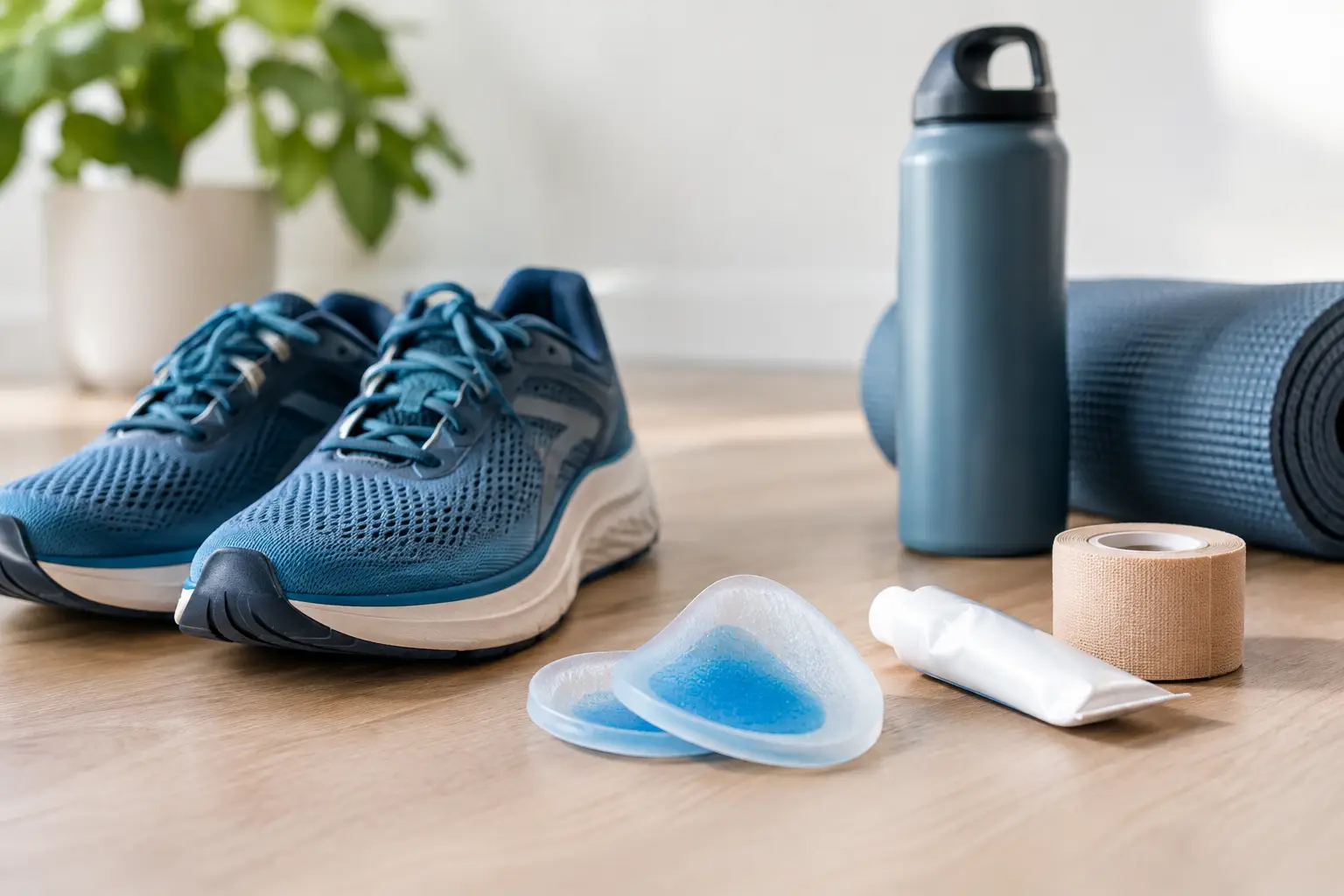
A heel hotspot can turn a brilliant long run, hill walk or city-break stroll into a painful shuffle surprisingly quickly. Knowing how to treat heel hotspots at the first warm, tender sensation gives you the best chance of stopping a small friction problem from becoming a full blister that sidelines your plans.
The goal is simple: remove the rubbing, protect the skin and give the area a chance to settle. Whether you are training for a race, breaking in walking boots or simply spending more time on your feet, fast action keeps you moving with more comfort and confidence.
What a heel hotspot feels like
A hotspot is the warning stage before a friction blister. The skin on your heel may feel hot, stingy, itchy or unusually sensitive when your sock or shoe touches it. It can look slightly red, but there may be no obvious mark at all yet.
Do not try to push through this feeling in the hope it will disappear. Friction creates heat, and continued pressure can separate the upper layers of skin from the tissue underneath. Fluid then collects in that space, creating a blister. Once that happens, every step becomes more complicated.
Heel hotspots often develop at the back of the heel, around the Achilles area or on the outer edge where the foot shifts inside footwear. New shoes are a common culprit, but a familiar pair can cause trouble too when socks are damp, laces are loose or your feet swell during a longer effort.
How to treat heel hotspots straight away
The best treatment starts with stopping, even if only for a few minutes. Find a dry, clean place to take off your shoe and sock. Continuing for another mile or another hour may feel manageable in the moment, but it often turns a manageable hotspot into several days of discomfort.
Dry, clean and assess the skin
Gently dry your foot and inspect the area. If the skin is intact and only red or tender, you are in a strong position to prevent a blister. Remove grit, sand or moisture from inside your sock and shoe, as even a tiny crease or speck can keep rubbing the same spot.
If you are at home, wash the heel gently with soap and water, then pat it dry. Avoid scrubbing sore skin. You are trying to reduce irritation, not add more of it.
Protect the pressure point
Cover the tender area with a purpose-made blister dressing, moleskin or soft protective tape. The aim is to create a smooth barrier that reduces shear between your heel, sock and shoe. Make sure the edges lie flat. A wrinkled dressing can become a new source of rubbing.
For a hotspot caused by pressure from the shoe collar, a doughnut-shaped pad can work well. It shifts direct pressure away from the sore centre. If the problem is more general rubbing at the back of the heel, a smooth blister plaster may be the simpler option.
This is a practical case of using what you have, but not all makeshift fixes are equal. A folded tissue or bulky wad of cotton can move around, trap sweat and make the shoe tighter. If you regularly run, hike or travel on foot, carry a small foot-care kit with plasters, tape and spare socks.
Adjust your shoe before you restart
Protection alone will not solve the problem if the shoe continues to slide. Re-lace your footwear with the heel seated firmly at the back. A heel-lock or runner’s-loop lacing technique can reduce vertical movement for many runners, especially where the shoe fits well through the forefoot but feels loose around the ankle.
Do not over-tighten every lace in response. That can create numbness or pressure across the top of the foot. The right adjustment holds the heel securely without pinching. If your footwear is clearly too small, too narrow or too worn out, no amount of tape will make it a reliable long-term option.
If the hotspot has become a blister
If a fluid-filled blister has already formed, protect it rather than popping it where possible. Intact skin is a useful natural cover against dirt and bacteria. Clean the area, apply a blister dressing that cushions without pulling at the surrounding skin, and reduce the activity that caused it.
A small blister may be manageable with protection and sensible footwear changes. A large, very painful blister can need more careful treatment, particularly if it affects your gait. If it bursts naturally, wash it with clean water and mild soap, leave the remaining skin in place if it is clean, cover it with a sterile dressing and change that dressing when it becomes damp or dirty.
Seek advice from a pharmacist, podiatrist or healthcare professional if you notice increasing redness, warmth, swelling, pus, red streaks or fever. Be extra cautious if you have diabetes, poor circulation, reduced sensation in your feet or a condition that affects healing. A small blister deserves more attention in these circumstances.
Why heel hotspots keep coming back
Repeated heel hotspots are usually a friction-and-fit issue, not a toughness issue. Feet change during activity. They warm up, sweat and often swell, particularly on long runs, hikes in hot weather and active travelling days. A shoe that feels perfect for ten minutes may behave differently after two hours.
Socks matter more than most people expect. A technical, moisture-managing sock that fits smoothly can reduce rubbing significantly. Avoid socks with thick seams across your problem area, worn-out heels or loose fabric that bunches under pressure. Bring a spare pair on longer outings so you can change out of damp socks before friction builds.
Footwear can also be the issue. New shoes may need a gradual break-in period, but repeated hotspots are a sign to question their fit. Look at heel lift, stiffness around the collar, internal seams and whether the shoe shape suits your foot. Hiking boots that work brilliantly with one sock thickness may rub when worn with another.
Your running form, terrain and pace can play a role too. Long descents push the foot forward, while muddy trails and uneven ground can increase movement inside the shoe. That does not mean you need to overhaul your technique. It means your prevention plan may need to be more deliberate for specific conditions.
Prevent heel hotspots before the next session
Prevention works best before your feet get warm and damp. Start with clean, dry feet and footwear that is fully dry inside. If you know exactly where you tend to rub, apply protective tape or a blister dressing before your session rather than waiting for discomfort.
For intact skin, an anti-friction balm can help reduce the rubbing that triggers hotspots. Apply it to clean, dry heel skin before putting on socks, then carry your stick on longer days if reapplication may be useful. Runglide RG Anti Chafe Balm is designed as a portable friction barrier for active movement, but it should not be applied to broken, raw or infected skin.
Build distance gradually when trying new trainers or boots. Wear them for shorter walks or easy runs first, ideally with the same socks you plan to use on longer sessions. This gives you time to identify a rubbing point before you are far from home or halfway through an event.
It also pays to check your shoes after use. Damp insoles, flattened heel counters and rough internal lining can all contribute to repeat friction. Air footwear properly, replace worn socks, and retire shoes that no longer hold your heel securely.
Keep discomfort from deciding your day
A heel hotspot is not a badge of honour and it is not something you need to accept as part of being active. Catch it early, protect the skin and fix the cause of the rubbing. A few prepared minutes can save you from days of sore steps, letting your next run, hike or walk feel like the freedom it should be.