

Blog
Sports Balm Versus Petroleum Jelly: Which Wins?

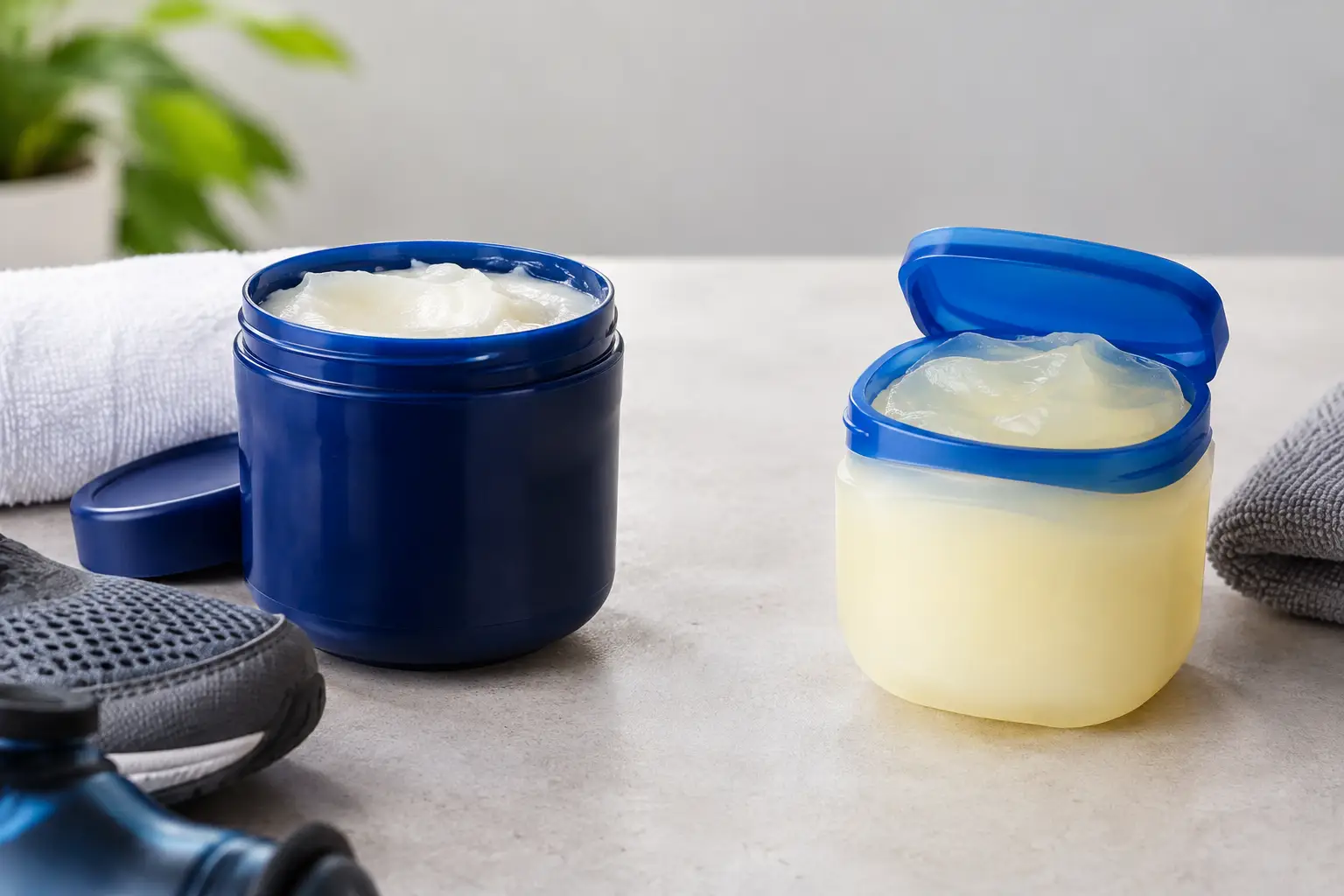
The first warning is usually subtle: a warm patch on the inner thigh at mile five, a rubbing heel halfway up a hill, or a sports bra seam that suddenly feels impossible to ignore. Leave it alone and that small hot spot can become the reason you cut a run short. When comparing sports balm versus petroleum jelly, both can reduce friction, but they behave very differently once sweat, heat, clothing and distance enter the picture.
Petroleum jelly has earned its place in many kit bags because it is inexpensive, familiar and widely available. A purpose-made anti-chafe sports balm, however, is designed around a more specific goal: helping active skin stay protected without feeling like it has been coated in something heavy. The better choice depends on where you apply it, how long you will be moving and what you need your skin and kit to cope with.
Sports balm versus petroleum jelly: the real difference
Both products work by creating a barrier between skin and the thing causing friction, whether that is skin, fabric, socks, shoes or equipment. The main difference is formulation and feel.
Petroleum jelly is generally made with petrolatum, an occlusive ingredient that sits on the skin’s surface. It can be very effective at reducing rubbing and helping hold moisture in. For short periods or as an emergency option, that slippery barrier can be useful. If you have ever used it on a dry heel or under a sticking plaster, you will know how well it stays put.
Sports balms are formulated with movement in mind. Rather than simply creating a thick, greasy layer, a good anti-chafe balm aims to provide durable glide while remaining comfortable under technical fabrics, waistbands and footwear. The texture should be easy to apply accurately, especially in areas where a messy product is the last thing you want before leaving the house.
That distinction matters on a long run, a full day hiking, a cycle commute or a humid holiday walk. Friction is not only about whether a product feels slippery in the bathroom. It is about how it performs after repeated movement, body heat and sweat.
Where petroleum jelly performs well
There is no need to dismiss petroleum jelly outright. It is a practical household product and can help when you need a quick barrier. It is commonly used on dry, intact skin, around areas exposed to wind, and in some sporting situations where a thick coating is acceptable.
For example, someone heading out for a short walk who has noticed a shoe rubbing might use a small amount on the heel if nothing else is available. It can also help reduce friction from a rough clothing seam over a limited period. Its low cost makes it tempting for anyone building a basic kit on a budget.
The trade-off is that petroleum jelly can feel heavy and tacky, particularly once you warm up. It may transfer to shorts, socks, cycling pads or bedding, and it can be awkward to wash from clothing. In shoes, too much can cause a sock to shift rather than stay securely in place. That is not helpful when stability is part of blister prevention.
Petroleum jelly is also not ideal for every preference. Some people simply do not want a petroleum-based product on their body, especially when they use anti-chafe protection regularly. If a product is part of your daily running, walking or travelling routine, comfort in use matters as much as the initial barrier.
Why a dedicated sports balm can be the better choice
A sports balm is a performance accessory, not an afterthought. The best options are portable, easy to apply and made for the places athletes and everyday movers actually chafe: thighs, underarms, under the bust, waistband lines, groin folds, heels, toes and anywhere equipment repeatedly rubs.
The stick format is a particular advantage. You can apply it directly to clean, dry skin without getting product all over your hands. That makes pre-run preparation quicker, but it is just as useful in a changing room, at a campsite, beside a trailhead or in an airport loo before a long travel day.
A well-formulated balm should also feel less disruptive. You want protection that lets you focus on cadence, pace and the next hill, not on whether your shorts are sticking to your legs. That is where a lighter, purpose-built glide can feel like invisible armour: present when friction starts, unnoticed when everything is going well.
Runglide RG Anti Chafe Balm is designed for this focused job, offering petroleum-free, oil-free and cruelty-free friction protection in a convenient stick. For people who train consistently, that kind of dedicated solution can be easier to make part of the routine than reaching for a jar each time discomfort appears.
Consider sweat, fabric and duration
The right choice is rarely just about the label. Think about the conditions you are heading into.
For a twenty-minute dog walk on a cool morning, either product may provide enough temporary protection if applied sensibly. For a half marathon, a summer hike, a long bike ride or an all-day festival, you need to consider how sweat and movement will change the experience. Heavy products can migrate, while thin products may wear away too quickly. Your goal is a protective layer that lasts without making your clothing, socks or skin feel uncomfortable.
Fabric makes a difference as well. Compression shorts, rough running seams, wet swimwear and hiking socks each create friction in their own way. A balm applied to the skin can reduce rubbing from these surfaces, but it cannot fix worn-out shoes, badly fitting kit or socks that bunch up. If you keep getting blisters in the same place, inspect the cause rather than only adding more product.
Weather is another factor. Warm, humid conditions increase sweat and can soften skin, making it more vulnerable to chafing. Cold conditions may bring dry, wind-exposed skin, but long efforts still create friction. Test your chosen protection during ordinary training rather than saving it for race day or a major trek.
How to apply anti-chafe protection properly
Application is simple, but timing matters. Start with clean, dry and unbroken skin. Apply your balm before you feel rubbing, concentrating on known problem areas. Prevention works better than trying to calm irritation after it has started.
Use enough to create coverage, but do not overdo it. A thick layer is not automatically more effective and may feel uncomfortable in footwear or beneath fitted clothing. For thighs and underarms, apply a smooth layer directly where skin or fabric meets. For feet, focus on the heel, side of the foot, toes or arch based on where you usually develop hot spots.
If your activity lasts several hours, carry your stick and reapply when needed. This is especially worthwhile on ultra-distance runs, multi-day hikes, long rides and travel days involving a lot of walking. Stop and deal with a hot spot early. Five minutes of attention can save days of sore skin.
Never apply a friction product to open, bleeding or infected skin unless the product instructions specifically say it is suitable. Once skin is broken, clean the area, protect it appropriately and give it time to recover before putting it through another demanding session.
Which one should you choose?
Choose petroleum jelly if you need an inexpensive, readily available barrier for occasional use and do not mind a heavier, greasier texture. It can be a useful back-up when your usual kit is not nearby.
Choose a dedicated sports balm if movement is a regular part of your life and you want targeted, portable protection that fits neatly into training and everyday plans. It is particularly worth considering if you dislike petroleum-based products, want cleaner application, or need something you can carry without worrying about a leaky tub.
There is no medal for pushing through skin irritation. Protect the areas that always rub, test what works for your body, and give yourself the freedom to keep moving when the route gets longer than planned.