

Blog
Running Shorts That Prevent Chafing for Every Run

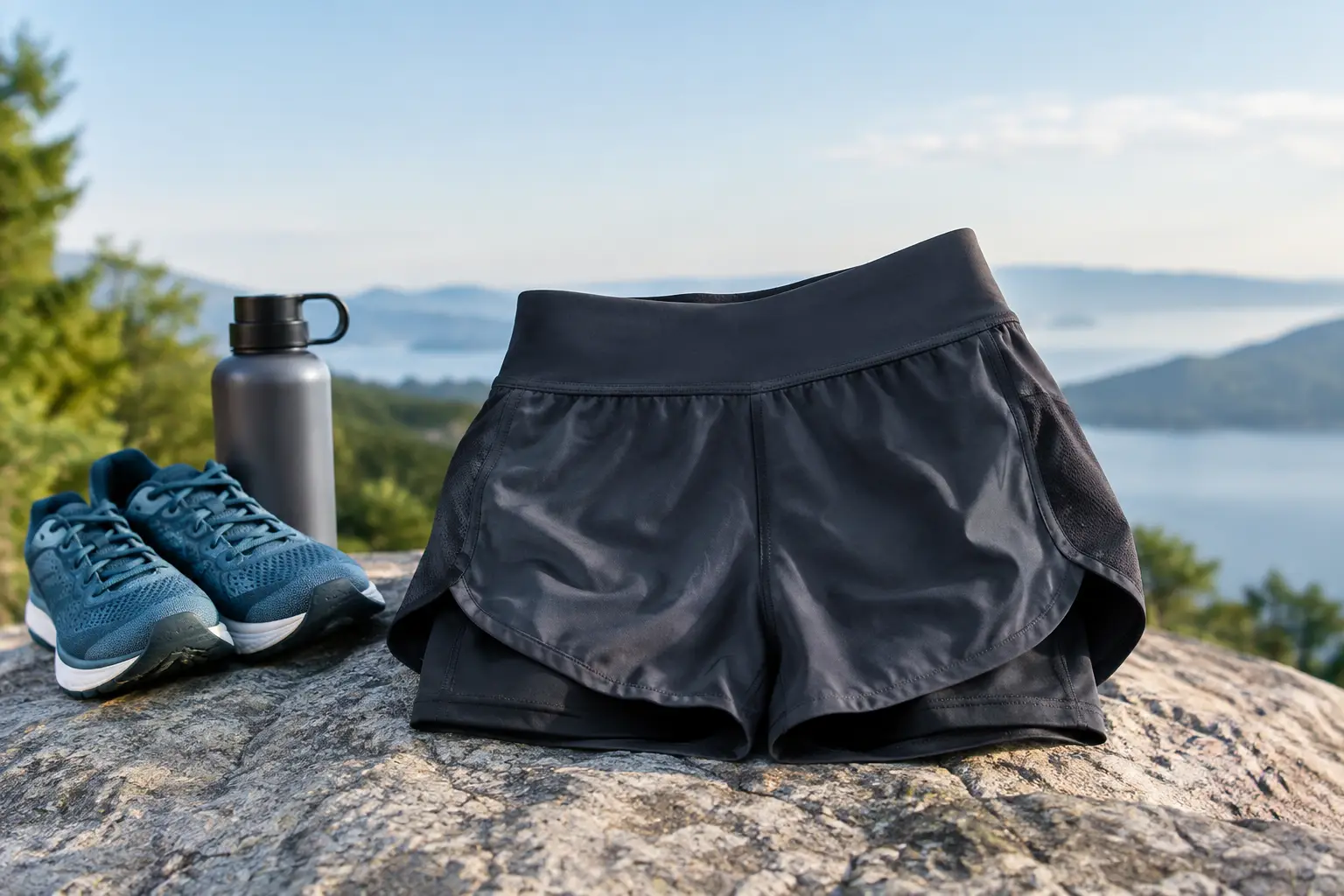
The best running shorts that prevent chafing do more than feel comfortable when you first pull them on. They keep working at kilometre eight, on a humid long run, and when sweat, repetition and tired form would normally turn a good session into a painful one. The right pair can make you forget your thighs, waistband and seams entirely. That is the goal.
Chafing is not a sign that you are unfit or wearing the wrong size body. It is simply friction: skin rubbing skin, fabric shifting against skin, or damp material repeatedly catching in the same place. Shorts can reduce that friction significantly, but no design works in exactly the same way for every runner. Your stride, build, distance, weather and how much you sweat all matter.
What makes running shorts prevent chafing?
A chafe-resistant short manages three things: movement, moisture and contact points. Fabric needs to stay close enough to the body that it does not bunch or ride up, yet flex naturally as you run. Seams should be placed away from high-friction areas. The waistband should stay put without digging in.
This is why a lightweight, loose pair of running shorts is not always the best answer for inner-thigh chafing. They may feel airy, but their legs can move independently from your body and allow more skin-on-skin contact. For some runners, particularly on longer distances, a fitted liner or a longer compression-style short is far more reliable.
The trade-off is heat. Closer-fitting shorts can feel warmer in summer, while looser styles may offer better airflow. The smart choice is not automatically the least fabric. It is the combination that stays in place and feels dry enough for the run ahead.
Choose the right short style for your friction points
Compression shorts and half tights
Compression shorts, often called half tights, are a strong option for runners who experience inner-thigh rubbing. Their close fit creates a fabric barrier between the thighs, while stretch fabric moves with each stride. Look for a leg length that extends beyond the area where you usually chafe. If the hem ends at your exact friction point, it can roll or rub there instead.
A well-made pair should feel secure rather than restrictive. If you have to keep pulling the legs down, the fit is too loose or the cut is not right for you. If the waistband pinches or the fabric turns sheer when you squat, size up or try another brand and construction.
Two-in-one running shorts
Two-in-one shorts pair a loose outer layer with a fitted inner liner. They are popular because they offer coverage and the anti-chafe benefit of a snug base layer without the look or feel of wearing full compression shorts alone.
The detail to inspect is the inner leg. A liner that is too short may ride up within the first few kilometres. One with flat seams and a wider, grippy hem is often more dependable. Make sure the outer short does not pull on the liner during movement, especially if you carry a mobile phone or gels in the outer pockets.
Split shorts and loose styles
Split shorts give excellent freedom of movement and are a favourite for track sessions, races and hot conditions. But they are not inherently anti-chafe shorts. If your thighs touch as you run, their minimal cut may leave the problem completely exposed.
They can still work brilliantly when worn over supportive running underwear or a fitted liner. Think of them as a ventilation-first option, not a complete friction-management system. For a short 5K, that may be ideal. For a wet half marathon, you may want more protection.
Running skirts and skorts
A running skirt with built-in fitted shorts can provide the same practical barrier as a two-in-one design. The key is to judge the inner short independently of the skirt. It should not roll, creep upwards or become loose when damp.
Pockets also matter here. A heavy mobile phone bouncing in a side pocket can pull fabric out of position, creating rubbing that was not there at the start. Test your race-day carry on an easy run before trusting it over a longer distance.
Fabric matters more once sweat arrives
A short can feel perfect in a changing room and still cause trouble after 45 minutes of running. Sweat changes the equation. Damp fabric weighs more, sticks differently and may increase friction if it stays saturated.
Technical synthetic fabrics such as polyester and nylon blends are common for good reason: they dry quickly, hold their shape and cope well with repeated washing. Elastane gives stretch, helping fitted styles move with your body. Merino blends can be comfortable in cooler conditions and naturally manage odour, though they may dry more slowly than a lightweight synthetic.
Avoid judging fabric only by softness. A very soft material that becomes heavy when wet can be less useful than a slightly firmer fabric that stays dry and stable. For long runs, choose shorts you have tested while sweating, not just while walking around the house.
Seams, waistbands and hems are the small details that decide a run
Flatlock seams are designed to lie flatter against the skin than raised, traditional seams. They are particularly useful around the inner thigh, gusset and waistband. Seamless construction can also reduce potential rubbing, although a seamless short still needs to fit correctly.
Check the gusset – the panel between the legs. A well-shaped gusset gives fabric room to move without pulling a central seam into a sensitive area. It is a quiet feature, but it can make a major difference on longer runs.
Waistbands should sit securely without folding over. A drawcord is useful if your waist-to-hip proportion means elastic waistbands tend to slip. Yet an overly tight drawcord can create its own pressure point, particularly during fuelling or when your stomach feels bloated on a long run. Adjust for security, not compression.
At the leg opening, silicone grips can prevent riding up, but they are not perfect for everyone. Some runners find that grippy strips irritate the skin or leave marks on very long runs. A wider, gently compressive hem is often a more comfortable alternative.
Fit is not a number on the label
Your usual clothing size is a starting point, not a guarantee. Running shorts need to work through a full stride, up hills, on descents and when wet. Before removing the tags, jog on the spot, lift your knees, do a few squats and check whether the legs shift.
Pay attention to where the fabric settles. If there is excess material at the crotch or inner thigh, it may bunch once you start moving. If you feel strain across the hips or seat, the short may be fighting your stride. Neither issue will improve after ten kilometres.
It is also worth separating fit from body confidence. Many runners choose baggier shorts to feel less exposed, then deal with avoidable chafing. A two-in-one style can offer a useful middle ground: a stable inner layer for protection and a relaxed outer layer for coverage.
Shorts are one layer of a smarter anti-chafe routine
Even excellent shorts cannot remove every source of friction. On a hot day, in heavy rain or over marathon distance, sweat and repetitive movement can overwhelm clothing alone. That is when a skin barrier earns its place in your kit.
Apply an anti-chafe balm directly to clean, dry skin where you know rubbing begins – commonly the inner thighs, under the waistband, groin crease or along the edge of a sports bra. The aim is to reduce friction before it starts, rather than trying to soothe damaged skin afterwards. Runglide RG Anti Chafe Balm is an easy stick-format option to keep with your running essentials, especially when conditions are likely to be warm, wet or long.
Do not save this step only for race day. Use it on the training runs that reveal your real pressure points. A routine you have tested is far more valuable than a last-minute fix at the start line.
Test your shorts like race kit
The first run in a new pair should not be your biggest event of the season. Wear them for an easy session, then test them on a run long enough to sweat properly. If you are preparing for a race, test the complete setup: shorts, underwear if worn, balm, belt, mobile phone, nutrition and any layers that may rub around the waist.
Afterwards, inspect the usual danger zones. Redness, stinging in the shower, a shifted hem or a waistband imprint all offer useful information. Small discomforts become big ones when repeated thousands of times.
Wash running shorts promptly after use, particularly in warm weather. Dried sweat, detergent residue and worn-out elastic can make a once-reliable pair less comfortable. Avoid fabric softener where the care label advises against it, as it can affect moisture-wicking performance.
The best anti-chafe shorts are not necessarily the most expensive or the most heavily marketed. They are the pair that stay put, manage sweat and let you focus on the road, trail or treadmill rather than the skin you are trying to protect. Build your kit around that feeling, and keep moving with confidence.