

Blog
How to Prevent Backpack Rubbing on Long Walks

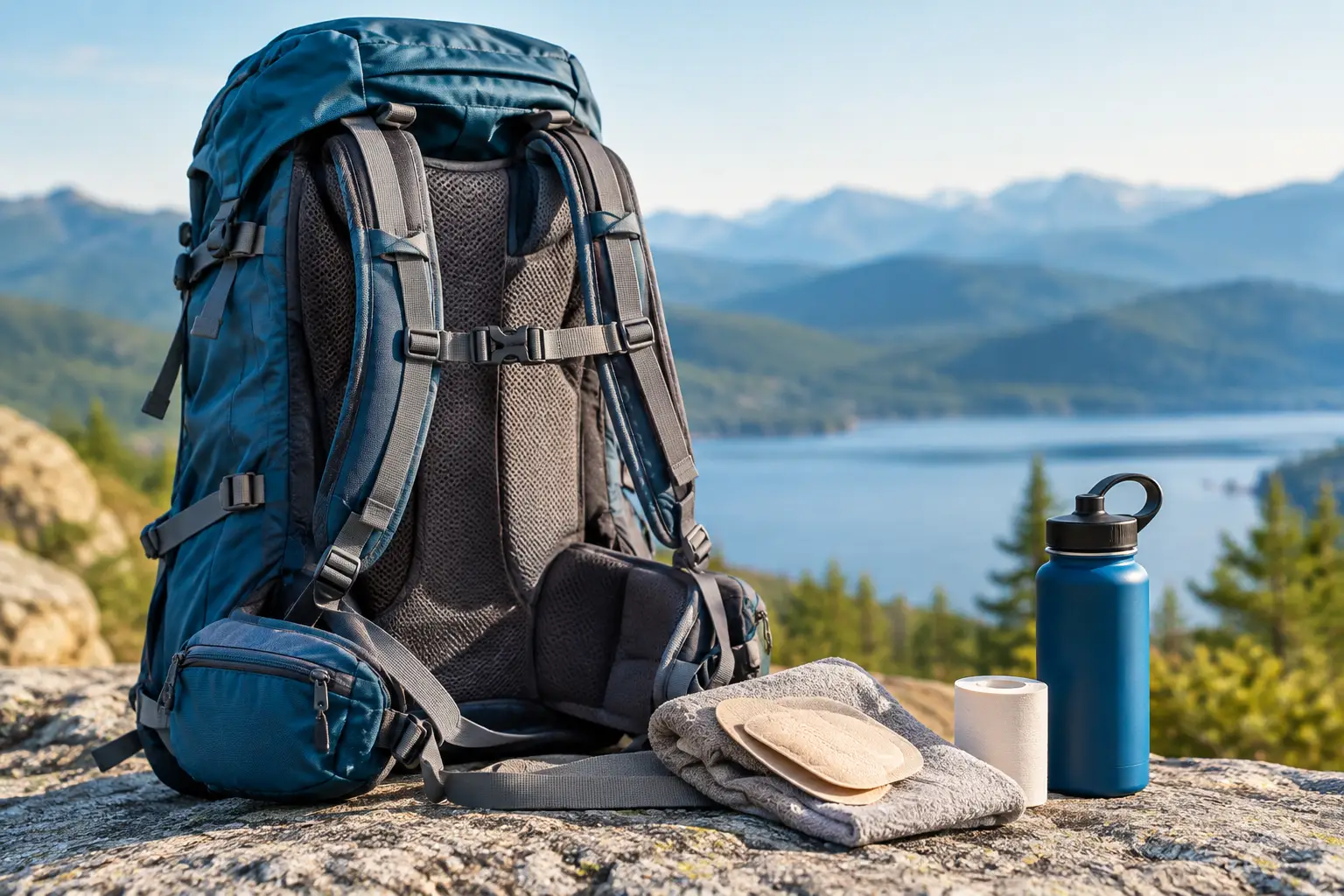
A backpack can feel perfectly fine for the first mile, then turn every shoulder roll into a sting. That is the frustrating reality of friction: once a strap starts rubbing, sweat, heat and repeated movement can quickly turn a small hot spot into painful chafing. Knowing how to prevent backpack rubbing means you can focus on the trail, your commute or the view ahead rather than counting down the minutes until you can take the pack off.
Backpack rubbing is not only a hiking problem. It happens on walking holidays, city breaks, school runs, bike commutes and travel days when a loaded pack shifts against your body for hours. The fix is usually not one big change. It is a combination of pack fit, sensible clothing, load management and skin protection.
Why backpacks cause rubbing
Rubbing happens where a backpack repeatedly moves against skin or clothing. The usual trouble spots are the tops of the shoulders, collarbones, lower back, sides of the ribs and hips. Chest straps can also irritate the neck or underarm area when they are too high, too tight or poorly positioned.
Moisture makes the problem worse. Sweat softens the outer layer of skin, while rain and damp clothing add more friction. Add a heavy or unevenly packed bag and every step creates a tiny pull, bounce or scrape. You may not notice it at first, but thousands of repetitions later, your skin certainly will.
A backpack that is technically the right size can still rub if it is adjusted badly or packed without balance. That is good news, because many causes are easy to correct before you set off.
How to prevent backpack rubbing before you leave
The best time to prevent chafing is before your body is warm, sweaty and already irritated. Give your pack a proper check at home, ideally with the weight you expect to carry.
Start with the right backpack fit
Your backpack should sit close to your body without restricting breathing or natural movement. For a hiking pack with a hip belt, most of the load should rest on your hips rather than hanging from your shoulders. Position the hip belt around the top of your hip bones, tighten it securely, then adjust the shoulder straps so they sit comfortably without lifting the weight away from your hips.
The shoulder straps should follow the shape of your shoulders, with no large gaps and no hard edge digging into the neck. Tighten the load lifters, if your pack has them, just enough to bring the top of the bag closer to your upper back. Pulling them too tight can create pressure at the shoulders, so make small adjustments rather than cranking every strap down.
For daypacks without a hip belt, aim for a close, stable fit. The bag should not swing from side to side or bounce against your lower back when you walk briskly. A sternum strap can reduce this movement, but it should sit across the chest comfortably, not creep up towards the throat.
Pack the weight close and evenly
A lopsided bag forces you to compensate with your posture. That movement can cause straps to saw at the shoulders and pull fabric across the skin. Place heavier items close to your back and roughly central in the pack. Keep water bottles, food and smaller essentials balanced between both sides where possible.
Avoid overfilling external pockets until the pack becomes wide and unstable. If your bag is stuffed so full that the zip is straining, it is likely to sit awkwardly too. A slightly larger pack that carries your kit neatly is often more comfortable than a small one packed beyond its limit.
Choose clothing that reduces friction
Loose cotton can feel comfortable at the start, but once damp it may bunch, stay wet and rub. For longer walks, hikes and active travel, choose a smooth, moisture-wicking base layer that sits flat under the straps. Merino and technical synthetic fabrics are popular because they manage moisture and are less likely to hold sweat against the skin.
Look closely at seams. A raised seam directly beneath a shoulder strap can become a problem, especially if you carry weight or have sensitive skin. Seamless or flat-seam tops are a useful option for long-distance walking, running with a hydration pack or multi-day trekking.
Fit matters too. Clothing that is very loose can fold underneath the pack, while clothing that is overly tight can make straps feel more abrasive. The right layer is close-fitting enough to stay smooth, with enough stretch to move naturally.
Create a protective barrier on known hot spots
If you have rubbed in the same place before, treat it as a predictable risk rather than hoping it will not happen again. Apply an anti-chafe balm to clean, dry skin on your shoulders, collarbone area, lower back, hips or anywhere straps tend to move. The aim is to reduce skin-on-skin and skin-on-fabric friction before irritation begins.
A portable stick is particularly useful for long events and travel, when you may need a quick top-up after several hours. Runglide RG Anti Chafe Balm is designed as an easy-to-carry, petroleum-free barrier for the points where movement causes friction. Apply it before putting on your backpack, then reapply if heavy sweating, rain or a long day on your feet calls for it.
Do not apply balm over broken or severely irritated skin. If a hot spot has already progressed to an open wound, clean and protect it, then give the area time to recover before exposing it to more rubbing.
Make small adjustments while you move
Even a well-fitted backpack can need attention after the first climb, when you add a waterproof layer, or when your water supply gets lighter. Do not wait until rubbing becomes painful. Stop early if you feel warmth, stinging, pinching or a strap that seems to keep sliding into the same place.
Take off the pack and inspect the area. Is your shirt bunched? Has the sternum strap shifted? Is one shoulder strap tighter than the other? Often, a 30-second adjustment prevents a miserable final hour.
On longer walks, vary your posture naturally rather than hunching forward under the weight. If your shoulders are aching, that is often a sign that the hip belt needs more of the load. If the bag is pulling backwards, adjust the load lifters or check whether heavy kit has settled too far from your back.
Manage sweat and wet weather
You cannot eliminate sweat on a hard hike, nor should you try. But you can limit the time moisture stays trapped beneath straps. Choose breathable layers, remove a layer before you overheat and carry a dry top when conditions allow. Changing into a dry base layer at a lunch stop can make a major difference on a full-day route.
Rain adds another challenge. A soaked cotton top and wet straps create a high-friction combination. Use a pack cover or waterproof liner to protect your gear, but remember that your clothing also needs managing. A breathable waterproof shell can help, though it may create extra warmth underneath. It depends on the weather, your pace and how much you sweat.
If your backpack is still rubbing
Persistent rubbing is a signal that something needs changing. First, reduce the load if you can. Many people carry more than they need, and a few kilograms removed from a pack can transform how it sits.
Next, check the backpack itself. Worn padding, rough strap edges, exposed stitching or a damaged buckle can cause a very localised rub that adjustment will not solve. A bag that does not match your torso length can also be difficult to make comfortable. If shoulder straps begin too high or too low on your back, the pack may simply be the wrong fit for your body.
For a short-term fix, cover rough hardware or an irritating strap edge with soft fabric or purpose-made strap padding. This can help, but it should not replace proper fit. Extra padding sometimes makes a strap bulkier and increases heat, so test any modification on a shorter walk first.
Build your own no-rub routine
Before a long walk, hike or travel day, load your bag, adjust it with intention, smooth your clothing and protect the places that usually suffer. Carry water and essentials in balance, and treat the first hint of a hot spot as your cue to stop and reset.
Comfort is not a luxury reserved for easy days. A well-managed backpack lets you cover more ground, stay present and keep moving with confidence. Your pack should carry what you need, not become the reason you cut the day short.