

Blog
Blister Tape Versus Friction Balm: Which Works?

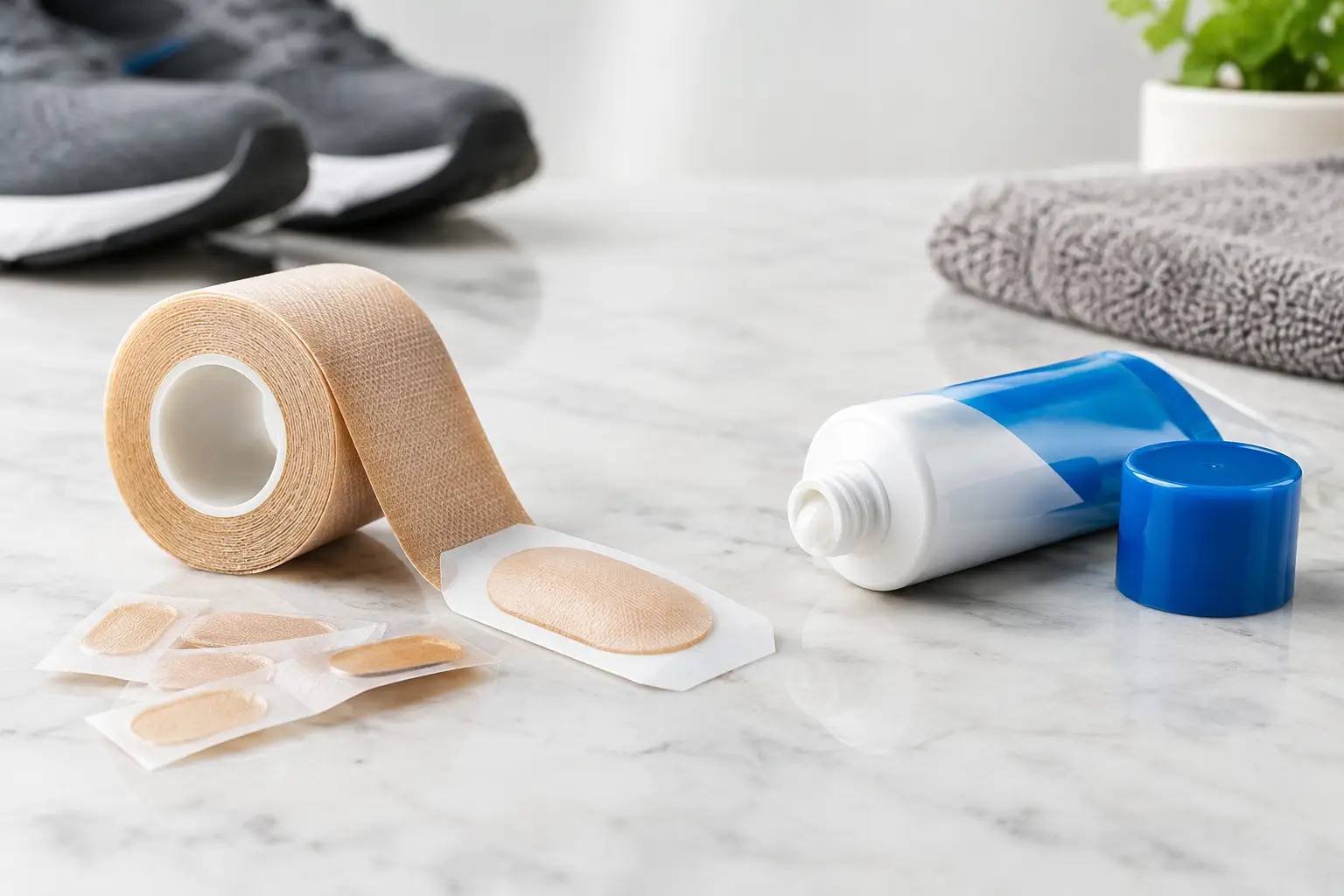
A hot spot at kilometre 8 can turn a good run into a limp home. On a steep hike, it can make every downhill step feel like a bad decision. The blister tape versus friction balm question matters because both options can protect your skin, but they work in very different ways. The right choice depends on where friction is happening, how long you will be moving, and whether you need prevention before discomfort starts or protection once a problem has appeared.
Blister Tape Versus Friction Balm: The Core Difference
Blisters form when repeated rubbing separates layers of skin and fluid collects beneath the surface. In shoes, that rubbing often comes from a moving sock, a seam, damp skin, a loose heel, or footwear that does not fit quite right. On the body, friction can also come from skin-on-skin contact, kit, saddle contact, or repetitive movement.
Blister tape creates a physical barrier. You apply it to a specific area, such as a heel, toe, or the side of the foot, to reduce direct rubbing. Friction balm works differently: it lubricates the skin to reduce drag before rubbing becomes damaging. Think of tape as targeted armour and balm as an invisible layer that helps movement stay smooth.
Neither is automatically better. Tape is often the more practical answer for one stubborn problem spot. Balm is usually more useful when you need flexible, broad coverage or want to protect areas where tape would crease, lift, or feel restrictive.
When Blister Tape Makes Sense
Blister tape is most useful when you know exactly where trouble starts. Perhaps one heel always rubs in a particular pair of trail shoes, or your little toe catches the edge of a shoe on long walks. Covering that predictable point before you head out can reduce friction at the source.
It can also be helpful during multi-day events, hiking trips, and races where you cannot change footwear easily. If a hot spot develops, tape may offer immediate protection against further rubbing, provided it is applied to clean, dry skin and sits smoothly with no wrinkles. A wrinkle in tape can create the very pressure point you were trying to avoid.
The trade-off is that tape has limits. Sweat, rain, river crossings, and humid conditions can weaken adhesive. It may lift at the edges, especially around toes and curved areas. Some people also find that removing tape irritates sensitive skin, while others dislike the extra bulk inside close-fitting footwear.
Tape is not only for feet, but its best use is usually small and localised. It is less convenient on moving areas such as inner thighs, underarms, or around the groin, where it can shift and feel uncomfortable.
Apply tape before you feel the burn
Prevention is easier than rescue. Once skin is red, tender, or beginning to blister, adhesive products can be harder to apply comfortably. If you use tape, round off sharp corners, press it down firmly, and put your sock on carefully so it does not roll or bunch. Test it on a shorter session before trusting it for race day or a long mountain route.
When Friction Balm Has the Advantage
Friction balm is made for the places tape cannot easily cover. It is a practical choice for heels, toes, arches, and the tops of feet, but it comes into its own for thigh chafing, underarms, bra lines, waistbands, sports bra edges, and anywhere clothing or skin repeatedly moves.
A stick format makes application quick: apply a thin, even layer to clean, dry skin before your run, ride, hike, gym session, commute, or long day on your feet. There is no cutting, no backing paper, and no concern about adhesive peeling away. That matters when you are packing light, travelling, or getting ready in a changing room five minutes before a session.
The main consideration is reapplication. A long, hot effort, heavy sweating, swimming, rain, or repeated towelling can reduce the protective layer over time. For an ultra, full-day hike, long ride, or holiday involving hours of walking, carrying the stick with you is sensible. Reapply before discomfort becomes noticeable rather than waiting for skin to feel sore.
Runglide RG Anti Chafe Balm is designed as portable, petroleum-free, cruelty-free friction protection for training and everyday movement. For active people who want to stay comfortable without adding bulk to their kit, that simple routine can make a real difference.
Which Option Is Best for Running, Hiking and Cycling?
For runners, friction balm is often the most versatile first step. It can protect both feet and body areas that commonly chafe, without needing to predict every single point of contact. If you have a known heel rub in one pair of shoes, add tape there as a more focused backup.
For hikers and trekkers, the answer depends on the conditions and distance. On dry day walks with well-fitted boots, balm may be all you need. On a multi-day route, especially one involving wet ground or changing terrain, bring both. Use balm over broad areas and tape on established hot spots, then stop promptly if you feel a new point of rubbing.
For cyclists, balm usually wins for saddle-area comfort, inner thighs, and areas affected by repeated kit movement. Tape can be useful for a specific shoe-pressure point, but it is rarely the convenient answer for body friction during a long ride.
For gym-goers, walkers, and travellers, balm is generally the easier everyday choice. A small stick slips into a gym bag, work bag, or cabin case and can be used wherever friction follows you – from a treadmill session to a city break in warm weather.
Can You Use Tape and Balm Together?
Yes, but give each product a separate job. Apply balm to areas of broad movement, then use tape on a clean, dry, very specific point that repeatedly rubs. Avoid applying balm underneath tape, as it can prevent the adhesive from sticking properly.
This combination is especially useful for endurance events. You might use balm on your toes, underarms, thighs, and waistband line, while placing tape on one heel that is prone to trouble. It is a measured approach, not an invitation to ignore footwear fit or keep moving through sharp pain.
Prevention Still Starts With Your Kit
No anti-friction product can completely compensate for shoes that are too small, socks that slide, or clothing with a rough seam in exactly the wrong place. If blisters keep appearing in the same location, investigate the cause rather than repeatedly treating the symptom.
Make sure there is enough room for your toes, particularly for downhill hiking and longer runs when feet can swell. Choose technical socks that manage moisture and stay in place. Break in new shoes gradually, and do not make a first outing in brand-new kit your longest outing of the month.
Keep feet as dry as conditions allow, changing socks when they become soaked on a long day. Trim toenails, check for folded insoles, and pay attention to early heat or tingling. That small signal is your chance to act before a hot spot becomes a blister.
If a blister has already formed, protect it from further rubbing and keep the area clean. Avoid popping it unless you have appropriate medical guidance and a clear reason to do so. Seek professional advice for signs of infection, severe pain, recurrent unexplained blisters, or if you have diabetes, poor circulation, or reduced sensation in your feet.
The best protection is the one you will actually use before friction takes over. Keep balm where you get ready, carry tape for known pressure points, and give your next run, hike, ride, or long walk the comfort it deserves.