

Blog
Cycling Comfort Kit Essentials for Every Ride

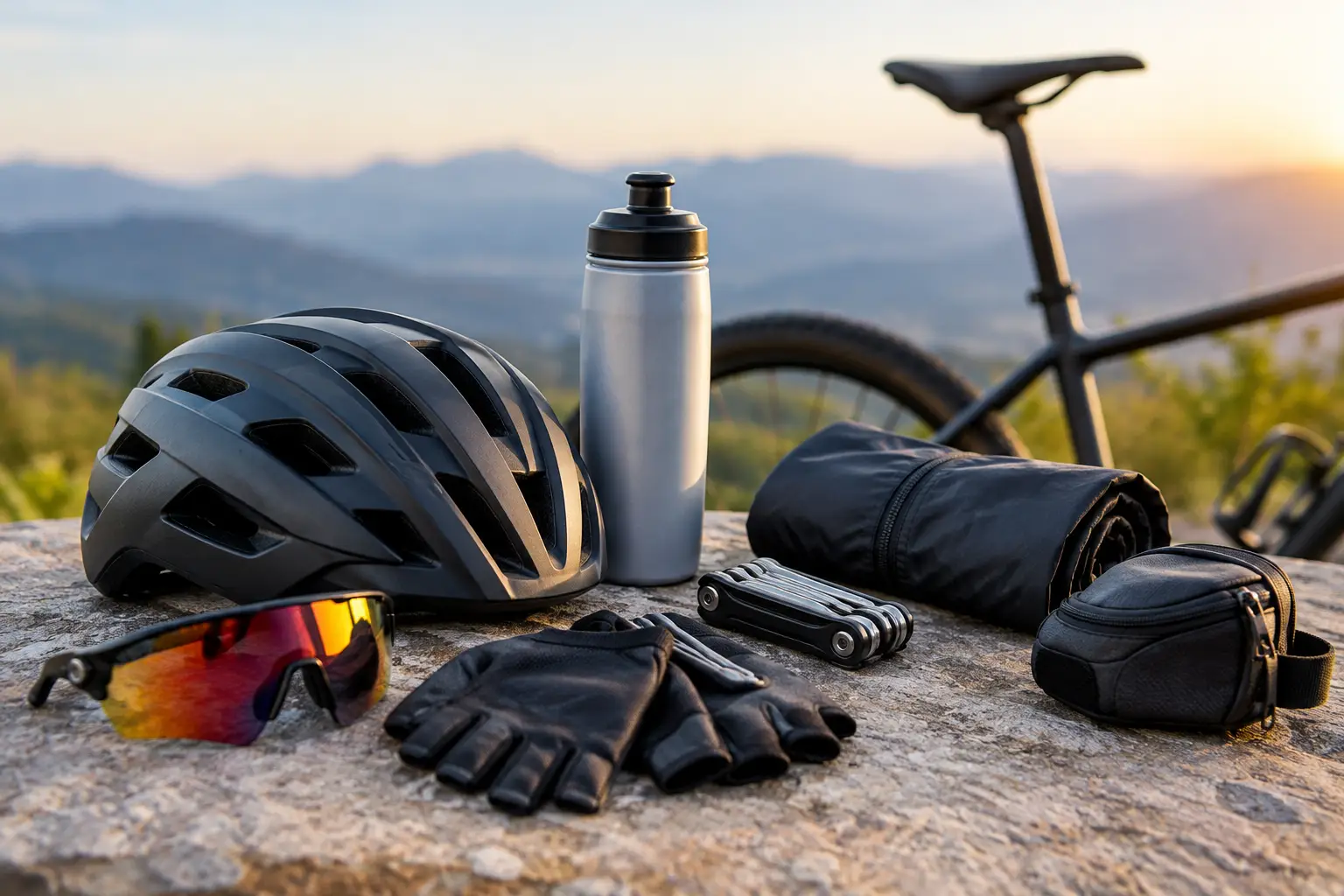
The difference between a ride you remember for the views and one you remember for the wrong reasons is often decided before you roll out. A well-planned cycling comfort kit essentials routine protects the places where heat, sweat, pressure and repetitive movement build up: your skin, feet, hands and contact points with the bike.
You do not need to carry a workshop or spend heavily on every new cycling accessory. You need a few reliable choices that suit your riding, whether that is a ten-mile commute through town, a Sunday club run, a gravel adventure or a full day in the saddle. Think prevention first. Once a hot spot becomes a blister or a small rub becomes raw skin, even the best route can feel much longer.
Start with the rider, not the bike
Cyclists often focus on components first: tyres, lights, tools and nutrition. Those all matter, but comfort starts where your body meets clothing, shoes and saddle. Friction is created by movement under pressure, then made worse by moisture, heat and salt from sweat. A kit that addresses those factors lets you concentrate on cadence, traffic and the miles ahead.
Your needs will vary. A commuter may prioritise weather protection and an easy change of clothes, while a road cyclist may need greater support over several hours. Mountain bikers may benefit from extra hand and skin protection because of vibration, movement and mud. The common thread is simple: prepare for the friction points you know are likely to develop.
The cycling comfort kit essentials that earn their place
Anti-chafe balm for high-friction areas
Anti-chafe balm is one of the smallest items in a cycling kit, yet it can make the biggest difference. Apply it before dressing, on clean, dry skin, wherever repeated movement or pressure is likely. For many riders, that means the inner thighs, groin, under the sports bra, along bib-short seams, under backpack straps or where a heart-rate monitor rubs.
The goal is not to wait for irritation. Apply a protective layer before the ride so skin can move with less drag. A portable stick is especially useful for a long event, bikepacking or a day that includes changing clothes. Runglide Anti Chafe Balm is designed as simple, petroleum-free invisible armour for those friction-prone areas, without adding another complicated step to your pre-ride routine.
No balm can compensate for shorts that are badly fitted, worn out or washed in harsh products that leave the fabric stiff. But paired with well-fitting kit, it helps reduce the small irritations that can steadily drain your enjoyment.
Padded shorts that fit your actual riding position
A quality padded short is not defined by the thickest chamois. More padding is not always better, particularly if it bunches or holds moisture. Look for shorts that sit smoothly against the skin, stay in place as you pedal and match the type of riding you do.
Bib shorts can remove pressure at the waist and often stay more securely positioned on longer rides. Waist shorts may be more convenient for commuting, quick changes and some riders’ personal preferences. Whichever you choose, avoid underwear beneath padded cycling shorts. Extra seams trap heat and create rubbing exactly where you want a clean, close fit.
Wash shorts after every ride, even a short one in warm conditions. Sweat, bacteria and residue can affect both fabric performance and skin comfort. Let them air dry rather than leaving them in a damp kit bag, where yesterday’s ride can become tomorrow’s problem.
Fresh socks and footwear awareness
Feet work hard on the bike. They are enclosed, under pressure and often damp after a climb or a wet road section. Choose cycling socks that manage moisture and have a smooth toe area. Cotton can be comfortable for everyday wear but tends to stay wet, so a technical fabric blend is usually the better choice for longer rides.
Before setting off, check that your shoes are secure without compressing the forefoot. Feet can swell in warm weather and after several hours of pedalling. A shoe that feels impressively snug in the kitchen may feel punishing halfway through a summer ride. If you use clipless pedals, check cleat position too. A persistent hot spot under one foot can be a fit or alignment issue, not simply a sock issue.
Carry a spare pair of socks on wet rides, touring days or long commutes. It takes very little room and offers a surprisingly big morale boost when conditions turn.
Gloves, grips and a dry contact point
Numb hands and sore palms are not badges of honour. Cycling gloves can reduce direct rubbing and help manage sweat, particularly on long road rides or rough surfaces. Their value depends on the rider and terrain: some people prefer bare hands for short, smooth journeys, while others rely on gloves for control and cushioning.
Keep your bar tape or grips clean and in sound condition. Worn tape can become slippery, while damaged grips may create pressure points. If your hands regularly tingle or go numb, do not assume thicker gloves are the whole answer. Check your reach to the handlebars, saddle position and how much weight is being loaded through your wrists. Comfort is often a fit problem disguised as an equipment problem.
A small clean-up and repair pouch
Your comfort kit should also help you recover from the unexpected. A compact pouch is useful for items that protect both your ride and your skin. For regular rides, include a few essentials:
- A small pack of wipes or a clean cloth for sweat, road spray and dirty hands.
- Plasters or blister dressings for minor hot spots before they become worse.
- Sunscreen in a travel-size container for exposed skin on bright days.
- A spare tube, tyre levers, pump or inflator, and a multi-tool.
- A light snack and enough fluids for the distance and weather.
This is not about packing for every possible situation. It is about avoiding the frustrating scenario where a small, fixable issue ends the ride early. Review the pouch occasionally. Old plasters, empty sunscreen and a flat CO2 cartridge are only useful if you replace them before you need them.
Comfort begins with bike fit
Even the best cycling comfort kit cannot fix a poorly positioned saddle. Saddle soreness, hand pain, neck tension and knee discomfort often have a shared cause: your contact points are not working together.
Start with saddle height. A saddle that is too high may cause rocking through the hips, increasing friction and pressure. One that is too low can make pedalling inefficient and put excess strain through the knees. Saddle angle matters too. Tilting the nose sharply down may relieve one area but shift too much weight into the hands.
Small changes can have meaningful effects, so adjust one thing at a time and test it over several rides. If discomfort is persistent, sharp, one-sided or accompanied by numbness, a professional bike fit is worth considering. It is an investment in comfort, confidence and the ability to keep riding consistently.
Match your kit to the conditions
Heat, rain and long hours each change what comfort requires. In warm weather, sweat management becomes central. Use breathable layers, drink steadily and apply anti-chafe protection before sweat and movement begin. In cold or wet conditions, staying dry is rarely fully possible, but managing dampness is. A lightweight waterproof layer, overshoes or spare socks can prevent a minor shower becoming a long, uncomfortable slog.
For a commute, keep the routine efficient: clean shorts or comfortable trousers, weather-ready layers, lights and a small friction-prevention stick in your bag. For an all-day ride, add food, extra layers and more attention to hydration. The longer the ride, the less sensible it is to gamble on gear that has caused trouble before.
Build a routine you will actually use
The strongest cycling comfort kit is the one that becomes automatic. The night before, check your shorts, socks, weather layers and repair pouch. Before leaving, apply protection to known friction areas, fill bottles and make a quick tyre check. After the ride, change out of damp kit promptly and deal with any hot spots while they are still minor.
There is freedom in knowing your body is prepared for the road ahead. Set yourself up well, make small adjustments when something does not feel right, and give every ride the best chance of finishing as strongly as it starts.