

Blog
Balm Versus Silicone Friction Barrier Compared

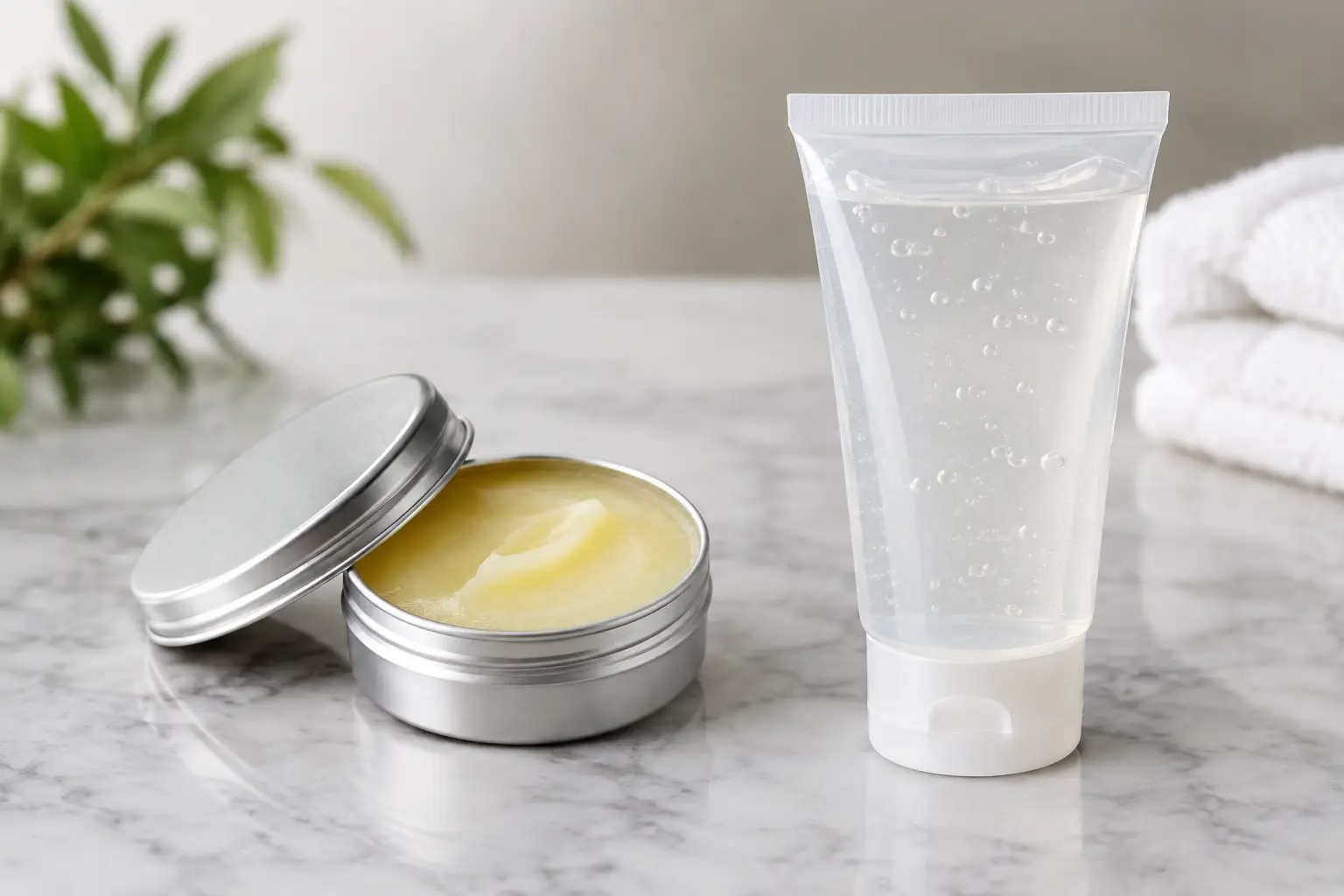
The first warning is rarely dramatic. It is a warm rub at the inner thigh, a sting beneath a sports bra, or a hot spot on the heel that appears halfway through a run. Leave it alone, and a minor distraction can become the reason you cut training short. In the balm versus silicone friction barrier debate, the best choice is the one that keeps your skin comfortable for the movement you actually do.
Both options aim to reduce rubbing before it damages the skin. But they do so in different ways, and their feel, wear time and suitability can vary from one activity to the next. A runner facing sweat and repeated skin-on-skin contact may prefer something different from a hiker in wet socks or a traveller walking all day in summer heat.
What a friction barrier needs to do
Chafing and blisters are caused by repeated friction, pressure and moisture. Skin, fabric, footwear or equipment moves against the body thousands of times during a long session. Heat and sweat can soften the outer layer of skin, making it more vulnerable. Once irritation starts, every stride, pedal stroke or arm swing can make it worse.
A good barrier reduces that drag. It should apply easily to the right area, stay where you put it and remain comfortable as your body temperature rises. It also needs to fit your routine. A product that feels excellent in the changing room but disappears after five kilometres is not much help on race day.
There is no universal winner because conditions matter. Your skin, clothing, weather, distance and tendency to sweat all play a part.
Balm versus silicone friction barrier: the key difference
A balm usually creates a lubricating, protective layer with a blend of waxes, butters and other skin-conditioning ingredients. It is designed to reduce direct rubbing while leaving the skin feeling protected rather than coated in a dry, powdery film. In stick form, it can be applied precisely to thighs, underarms, feet, bra lines, waistbands or anywhere friction tends to build.
Silicone barriers commonly use ingredients such as dimethicone to create a smooth surface across the skin. They can feel silky and light, often with a more cosmetic texture than a traditional balm. Their appeal is simple: silicone can make skin feel very slippery, helping surfaces glide rather than catch.
Neither format is automatically better. The decision comes down to how the product performs once sweat, movement, fabric and time enter the picture.
Feel and application
Many people choose balm because it is direct and practical. A stick lets you swipe the barrier exactly where you need it, without getting product on your hands. That matters in a busy gym, at the start line, beside the trail or when you are getting ready for work.
A silicone formula may spread quickly and feel less substantial on the skin. Some people love that barely-there sensation, especially for short sessions or everyday use under lighter clothing. Others prefer the more reassuring feel of a balm, particularly when they know a long run, hike or ride is ahead.
The right texture is not just personal preference. If a product feels too slippery for you, you may use too little. If it feels too heavy, you may avoid reapplying. The best barrier is one you will use generously and consistently before friction starts.
Staying power through sweat and distance
This is where the comparison becomes more individual. Silicone barriers can form a smooth film, but performance depends on the complete formula and how much moisture, rubbing and fabric contact it faces. A light silicone product may be perfectly adequate for a walk, a gym session or a commute, yet need topping up during a longer endurance effort.
A well-made balm often feels more anchored to the application area. Waxes and butters can create a durable layer that continues to reduce rubbing as you move. For runners, cyclists and hikers, that staying power can be the deciding factor, particularly on the inner thighs, under a pack strap, around the heel or beneath close-fitting kit.
That does not mean balm never needs reapplication. Very hot weather, river crossings, heavy rain, swimming, extreme sweat or all-day events can wear down any barrier. Pack your product if you are out for hours. Prevention works best when you respond before a slight rub becomes raw skin.
Moisture, clothing and equipment
Sweat is not the enemy by itself. The problem is wet skin combined with repeated movement. A barrier should help surfaces move more freely while avoiding an unpleasantly sticky or slippery feel under clothing.
For skin-on-skin chafing, a balm can provide the cushioning glide many people want. For friction from socks and shoes, either option may help, but fit remains just as important. Damp socks, worn heel counters and shoes that move at the back can defeat even the best anti-blister routine.
For cycling, consider where friction is happening. If it is at a clothing seam or between the inner thighs, an anti-chafe balm can be a useful part of your preparation. If the issue is saddle discomfort, check bike fit, shorts and time in the saddle as well. A barrier supports good kit and good positioning. It cannot fully correct a poor fit.
When balm is often the stronger choice
Balm is usually a strong fit when you need targeted, reliable protection for longer or more demanding movement. Think marathon training, hill walks, multi-day trekking, long rides, warm-weather travel and any day when thigh chafing has a habit of appearing at the worst possible moment.
It also suits people who want an easy, portable routine. Apply it before you put on socks, before you head out for a walk, or before your run-up begins. Runglide Anti Chafe Balm is designed around this practical stick approach, giving active people a petroleum-free, oil-free and cruelty-free barrier for the places that tend to rub.
A balm may be especially worthwhile if you have already learned your friction zones. Most of us do not chafe everywhere. We chafe at the same bra band, under the same waistband, between the same toes or at the same heel. Apply precisely, then get on with your day.
When silicone may make sense
A silicone friction barrier can be a good option if you prefer a very light, smooth feel or need a subtle layer for shorter, lower-sweat activity. It may suit office-to-gym days, casual walks, warm-weather outfits or areas where you do not want a richer balm texture.
Some people simply find silicone more comfortable under particular fabrics. That is a valid reason to choose it. Comfort is personal, and a barrier should make you feel free to move, not overly aware of the product itself.
However, do not judge a formula by one ingredient alone. A silicone product can contain other ingredients that change how it wears, and balm formulas differ widely too. Look at the whole formula, consider your usual conditions and test it during training rather than for the first time on an important event day.
Build a friction-prevention routine that lasts
Start with clean, dry skin and apply your chosen barrier before activity, not after the rubbing begins. Cover the full contact area rather than one tiny point. For thighs, that means the area where your stride causes repeated contact. For feet, include known hot spots such as heels, toes and the sides of the foot.
Then look beyond the barrier. Choose clothing that fits well and has seams positioned away from high-friction areas. Replace tired socks, ensure footwear is secure without being restrictive, and avoid changing multiple pieces of kit right before a long event. If you are trialling new shorts, shoes or a new anti-chafe product, do it on an ordinary training day.
If your skin is already broken, avoid applying a friction product directly to an open wound and allow the area to recover. Persistent, severe or infected-looking irritation needs advice from a healthcare professional.
Your goal is not to find the most fashionable texture. It is to create a layer of invisible armour that lets you run, hike, cycle, train and travel without friction calling the shots. Test your choice where it counts, listen to what your skin tells you, and keep moving with confidence.