

Blog
Zinc Oxide Versus Skin Balm for Chafing

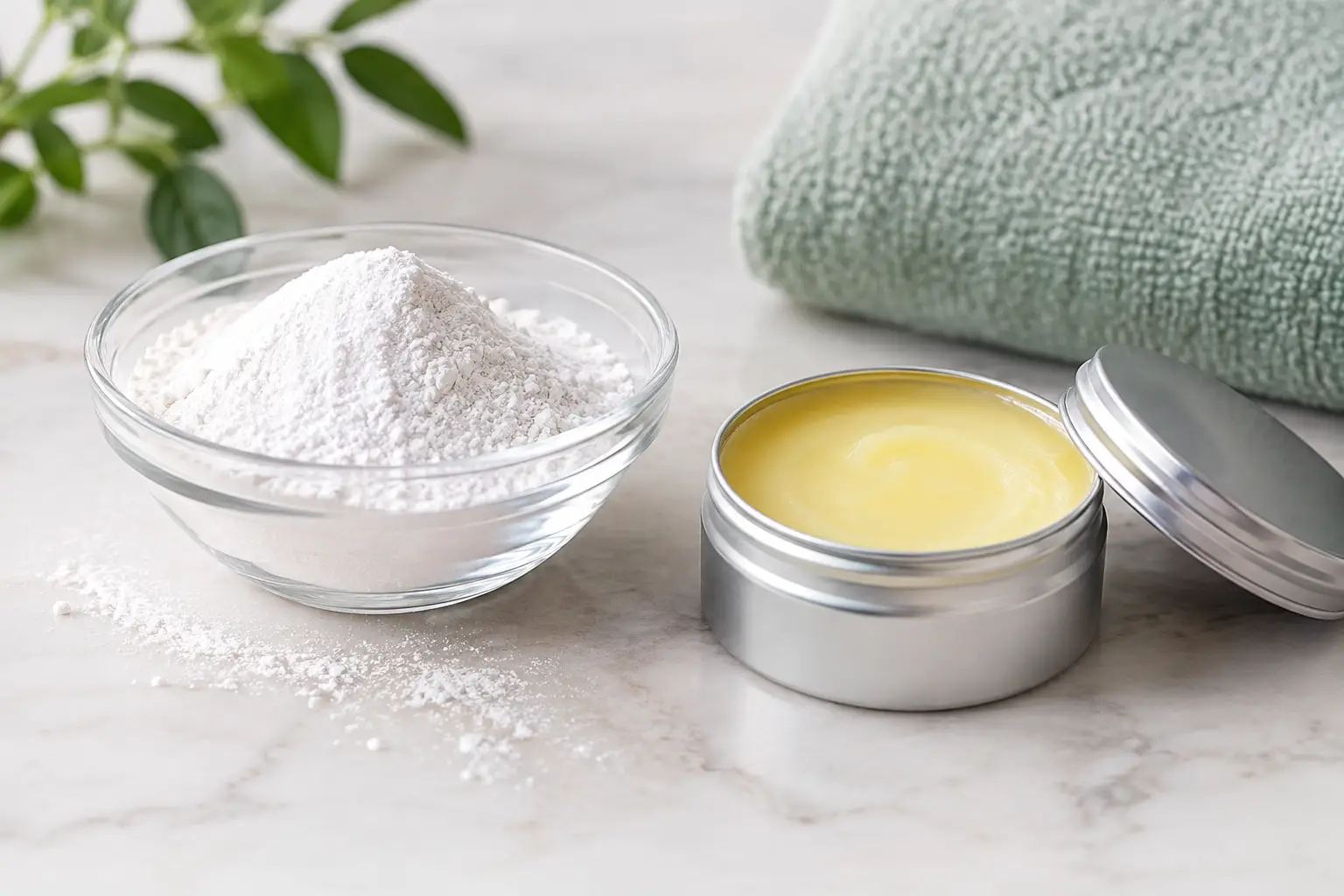
A long run can be derailed by a small, familiar burn at the inner thighs. A hike can become a painful shuffle when a heel starts rubbing. When choosing zinc oxide versus skin balm, the right answer depends less on which product sounds tougher and more on the type of friction you expect, where it happens, and whether your skin is already irritated.
Both can create a protective layer between skin, fabric, footwear or equipment. But they do different jobs. Zinc oxide is often best known for protecting compromised skin from moisture and irritation, while a purpose-made anti-chafe balm is designed to reduce friction before it starts. Knowing the distinction helps you pack smarter, move further and avoid turning a minor hot spot into a day-ending problem.
Zinc Oxide Versus Skin Balm: The Core Difference
Zinc oxide is a mineral compound widely used in barrier creams, nappy creams, sunscreens and products for irritated skin. It sits on the skin’s surface, helping to shield it from moisture and external irritants. Its thick, opaque texture is part of the point: it creates a substantial physical barrier.
A skin balm for chafing works differently. It is typically formulated to make skin and contact points glide more smoothly, reducing the rubbing that creates heat, redness and broken skin. The best time to apply it is before activity, while skin is clean, dry and comfortable.
Think of zinc oxide as protective cover for an area that needs calming and shielding. Think of an anti-chafe balm as invisible armour for the miles, climbs, rides and everyday movement ahead. One may help protect an already angry patch of skin; the other is built to stop repeated rubbing becoming a problem in the first place.
When Zinc Oxide Makes Sense
Zinc oxide can be useful when moisture is a major part of the issue. This may include skin folds, areas exposed to sweat for long periods, or skin that is already tender after chafing. Its barrier can help reduce further contact with damp fabric and other irritants while the area settles.
It can also be a sensible option after activity, once you have washed and dried the affected skin. If chafing has progressed beyond mild redness to raw or broken skin, the priority changes from performance to recovery. Avoid applying products to open or infected-looking skin without seeking advice from a pharmacist or healthcare professional, especially if there is swelling, spreading redness, pus, fever or worsening pain.
There are trade-offs. Zinc oxide creams can feel thick, sticky or heavy during exercise. They may leave a white cast, transfer onto clothing, and be awkward to apply neatly in areas where you need free movement. In hot conditions, a dense barrier can also feel uncomfortable once sweat builds up.
That does not make zinc oxide a poor choice. It simply makes it a more situational one. It is often better suited to protection and recovery than to a friction-free feel during a marathon, cycle sportive or full day on the trail.
When a Skin Balm Is the Better Choice
If your main concern is rubbing, a dedicated skin balm is usually the more practical pre-activity choice. Apply it wherever repeated contact is likely: inner thighs, underarms, bra lines, waistbands, toes, heels, the back of the neck under straps, or wherever kit and skin regularly meet.
The advantage is movement. A well-designed balm creates slip without feeling like a thick treatment cream. In a stick format, it is quick to use, portable enough for a race belt or rucksack, and less messy to reapply when conditions change.
For runners, this often means applying before a long run rather than waiting for the first sting. For hikers, it can mean protecting heels and toes before lacing boots. Cyclists may use it where clothing, saddle contact and sweat create persistent friction. Travellers and walkers can use it before a warm day in shorts or a long airport connection.
Runglide RG Anti Chafe Balm is made for this preventative role, helping create a comfortable friction barrier without petroleum or oils. The goal is simple: fewer distractions, more freedom to keep moving.
The Role of Sweat, Water and Weather
Friction is rarely caused by one thing. It is a combination of pressure, repeated movement, heat, dampness and the materials against your skin. A product that works brilliantly for a dry five-kilometre run may need reapplying during a rainy hike or a humid holiday walk.
Sweat can soften skin, making it more vulnerable to rubbing. Wet socks can accelerate hot spots. Salt crystals left behind by dried sweat can make seams and fabric feel harsher. That is why prevention is not just about what you apply. It is also about breathable kit, well-fitting footwear and changing out of damp clothing when you can.
Use zinc oxide when you need a heavier moisture barrier or when an irritated area needs a little more protection after the fact. Choose a skin balm when you want to reduce friction across a large area before movement. For longer events, take a small stick with you and reapply at the first sign of warmth or rubbing, before the skin becomes sore.
What About Blisters?
Blisters are friction injuries, usually caused by repeated rubbing combined with heat and moisture. Zinc oxide may offer some protection around irritated skin, but it is not usually the most convenient solution for preventing the initial shoe-on-skin friction that causes a blister.
For blister-prone feet, a skin balm can be applied to known trouble spots before socks go on: heels, the sides of the big toe, the ball of the foot or anywhere a shoe seam catches. Pair it with socks that fit properly and footwear that has been tested before event day. New shoes, new socks and a long distance are a risky combination, no matter what you apply.
If a blister has already formed, do not treat it like a normal hot spot. Keep the area clean and protected, and avoid popping it unless you have appropriate medical guidance. If you have diabetes, poor circulation or reduced feeling in your feet, get professional advice promptly for any blister or skin break.
How to Choose for Your Routine
Your choice comes down to timing and purpose. Before exercise, choose a friction-focused balm if you expect skin-on-skin rubbing, clothing rub or footwear pressure. After exercise, consider zinc oxide if the area is damp, irritated and needs a thicker protective layer while it recovers.
It is also worth considering texture. Some people like the substantial feel of a zinc oxide cream for specific areas at home. Others need a product that applies quickly, does not leave obvious residue and can travel in a gym bag. Neither approach is universally better. The product that suits your routine is the one you will actually use consistently before discomfort starts.
Patch test any new product on a small area first, particularly if your skin is sensitive or you have a history of reactions. And remember that a balm cannot compensate for kit that fits badly. If the same spot keeps chafing, inspect the seam, strap, sock, shoe or clothing cut that is causing the repeat problem.
Build Prevention Into Your Start Line Routine
The strongest anti-chafe strategy is boringly effective: apply early, wear kit you trust and react at the first warning sign. Do not save protection for race day, a mountain trek or the first hot weekend of the year. Use it during training and ordinary walks so you know exactly where your personal friction points are.
From Newry to trails, roads and gym floors around the world, active people share the same goal: to move without skin irritation calling the shots. Choose zinc oxide when skin needs a heavier shield, choose a skin balm when friction is the threat ahead, and give yourself the comfort to keep going.