

Blog
Essential Blister Products for Hikers Who Go Further

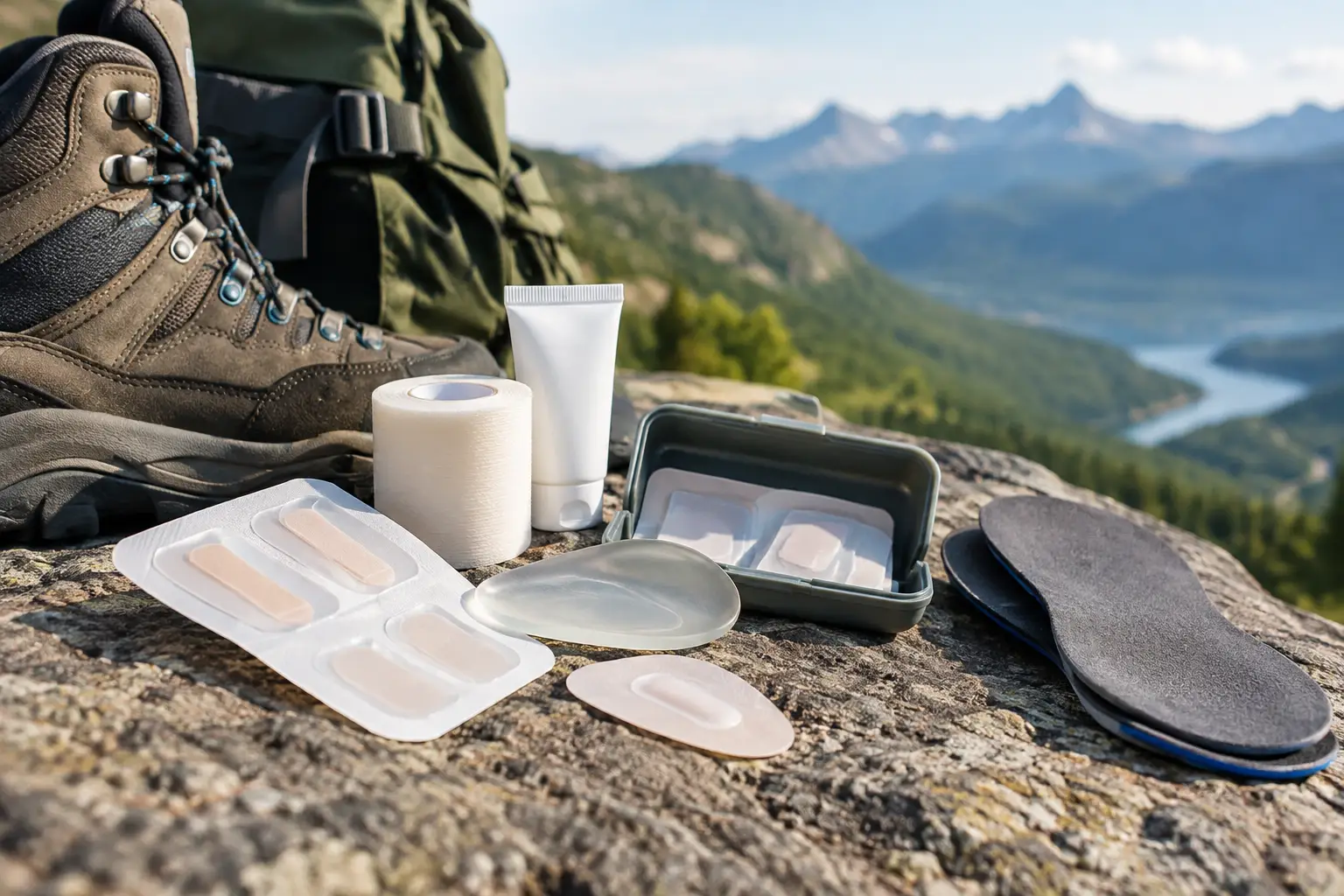
A blister rarely begins as a dramatic problem. It starts as a warm spot on your heel during a climb, a slight rub beneath your toes, or a sock that feels oddly bunched after a stream crossing. Ignore it for another mile or two and the discomfort can change your route, slow your group and turn a brilliant day outdoors into a painful shuffle.
The right essential blister products for hikers give you a better option: deal with friction before it damages skin, then act quickly if a hot spot appears. A few compact items in your pack can protect your feet from the first step to the final descent, whether you are walking local trails, tackling a multi-day trek or heading out for a full day in the hills.
Why hikers get blisters
Blisters are usually the result of repeated friction. Your skin moves against a sock, boot or insole, and heat and moisture make that movement more damaging. A poor boot fit is an obvious culprit, but even well-fitted footwear can cause trouble when conditions change.
Long descents push toes forwards. Wet weather softens skin. Warm days increase sweat. New insoles can alter pressure points, while tired feet may move differently late in the day. That is why a product that worked on a two-hour dog walk may not be enough for a steep six-hour hike with a loaded pack.
Prevention matters because it lets you keep your natural stride. Once you are limping to protect a sore heel, pressure shifts elsewhere and a single hot spot can become a chain reaction.
Essential blister products for hikers
A useful blister kit is not about carrying every product available. It is about choosing a small number of items that solve the actual causes of friction: rubbing, heat, dampness and pressure.
Anti-friction balm
An anti-friction balm is the first line of defence for areas that repeatedly rub. Apply it before you put on your socks, concentrating on heels, the sides of your feet, toes, arches and any place that has caused problems on previous walks. The aim is to reduce drag between skin and fabric before a hot spot gets going.
A stick format earns its place in a hiking kit because it is clean, compact and simple to reapply without covering your hands in product. Runglide RG Anti Chafe Balm is designed as a portable friction barrier for active movement, with a petroleum-free, oil-free and cruelty-free formula that fits easily into a pre-hike routine.
No balm can correct boots that are seriously too tight, too loose or badly broken in. Think of it as invisible armour that supports good footwear choices, rather than a shortcut around them. If you are hiking all day, reapply during a break if the area feels warm or if you have been through heavy rain or water.
Proper hiking socks
Socks are performance equipment, not an afterthought. A technical hiking sock should manage moisture, hold its shape and minimise bunching. Merino blends are a popular option because they can feel comfortable across changing temperatures, while synthetic blends often dry quickly and offer hard-wearing support. The best choice depends on your feet, climate and boot fit.
Avoid cotton for longer hikes. It holds moisture, takes longer to dry and can create exactly the damp, soft skin that blisters love. Bring a spare pair on big days, especially if rain, boggy ground or stream crossings are likely. Changing into dry socks at lunch can feel like a reset for your feet.
Sock thickness also matters. A thicker pair can cushion pressure, but it may make a close-fitting boot too tight. A thinner pair may feel cooler, yet allow more movement inside a roomy boot. Test your sock and boot combination together before a major walk, not at the trailhead.
Blister plasters and hydrocolloid dressings
A blister plaster or hydrocolloid dressing is for a blister that has already formed, or an area so tender that you need cushioning and protection. These dressings can help shield the skin from further rubbing and create a more comfortable surface inside your footwear.
Choose a size that covers the entire affected area with enough border to stay secure. Apply it to clean, dry skin and avoid constantly peeling it back to inspect it. If it is lifting, dirty or saturated, replace it with a fresh dressing.
Hydrocolloid dressings can be excellent, but they are not always the best answer for every situation. On very sweaty feet or awkward areas between toes, adhesion can be difficult. Carry a small amount of medical tape to reinforce edges where needed.
Blister tape and protective patches
At the first sign of a hot spot, stop early. This is one of the most useful hiking habits you can build. Dry the area, then cover it with a smooth protective tape or purpose-made patch before the skin breaks.
Tape works well because it can be cut to suit a heel edge, toe joint or the side of a foot. The trade-off is that it takes practice. A wrinkled edge may create more friction, so round off corners and make sure the tape lies flat. Test your preferred tape on training walks, because adhesion varies between brands, skin types and conditions.
Some hikers use fabric tape, while others prefer low-friction patches. Neither is automatically better. If you need durable coverage over a high-rub area, tape may be more flexible. If speed and smoothness are your priority, a pre-cut patch can be easier to apply when the weather is closing in.
Foot powder or drying wipes
Moisture is a major contributor to blister risk, particularly in warm weather or waterproof boots. Foot powder can help some hikers keep feet drier, while small drying wipes allow you to clean sweat, mud or moisture away before applying balm, tape or a dressing.
Powder is not a universal fix. Too much can clump when wet, and some people find it uncomfortable in their socks. Use it selectively and trial it on shorter walks first. For many hikers, the more reliable combination is breathable socks, a spare pair in the pack and prompt attention when feet feel damp.
Build a kit you will actually carry
Your foot-care kit should be small enough that it always comes with you. For most day hikes, a compact pouch containing these five items covers the essentials:
- Anti-friction balm for prevention and reapplication
- One spare pair of technical hiking socks
- Hydrocolloid blister plasters in two sizes
- Blister tape or low-friction protective patches
- A few drying wipes and a small pair of clean scissors
For multi-day hikes, add extra dressings, more tape and enough sock changes for the conditions. Store everything in a waterproof bag. There is little value in carrying plasters that have become damp, crushed or coated in trail grit.
Fit and routine beat last-minute fixes
The best products work hardest when paired with a smart routine. Break boots in gradually, but remember that “broken in” does not mean a boot will suit every foot shape. Your heel should feel secure without pinching, your toes need space on descents, and laces should hold your foot in place without creating pressure across the top.
Before a long hike, trim toenails straight across and check for rough seams or worn areas inside your footwear. Apply balm before friction begins, rather than waiting until your feet hurt. On the trail, use breaks to take note of your feet. A two-minute adjustment to laces or socks can prevent an hour of discomfort later.
If a blister has burst, keep the area clean, protect it from further rubbing and monitor it closely. Seek medical advice if you notice spreading redness, warmth, swelling, pus, fever or worsening pain, particularly if you have diabetes, reduced circulation or a condition that affects healing.
Your route should challenge your legs and lift your spirits, not leave you counting painful steps. Pack the products that suit your feet, learn your early warning signs and give hot spots attention while they are still small. Comfortable feet give you more freedom to take the long way home.