

Blog
Anti Chafe Balm for Festival Walking That Lasts

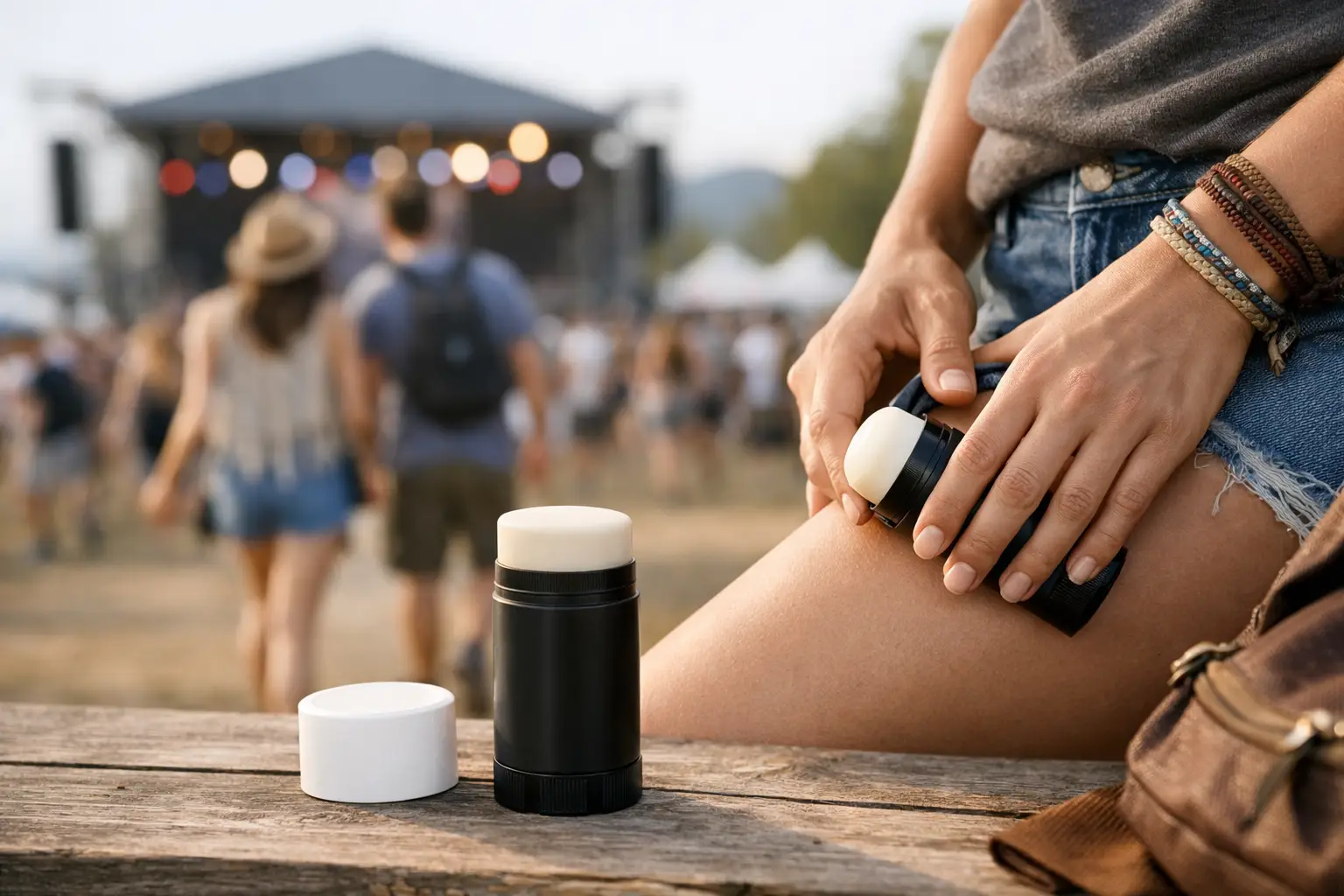
A festival day can mean ten miles before you have even noticed it. There is the walk from the station, the trek across the campsite, the queue for food, the dash between stages and, somehow, more walking home. An anti chafe balm for festival walking helps stop friction becoming the thing you remember most when the music is over.
Chafing is not a sign that you chose the wrong outfit or that you are not fit enough. It is what happens when warm skin, sweat, fabric and repeated movement keep meeting in the same place. A small bit of preparation gives you more freedom to wear what feels good, walk further and stay for the final set.
Why festivals are so tough on skin
Festival walking is different from a planned hike or a quick trip around town. You may be on your feet for hours, moving between grass, gravel, mud and hard paths. Temperatures can change quickly, and a sudden shower followed by a crowded tent is a fast route to damp clothing and irritated skin.
Your footwear may also work harder than usual. New trainers, wellies, sandals and boots all have their place, but each can rub when your feet are hot or wet. Add a rucksack, crossbody bag or hydration pack and you have extra pressure points around shoulders, underarms and the waistline.
The aim is not to make every surface friction-free. That is impossible. The aim is to create a protective barrier at the spots most likely to rub, before irritation starts.
Where to apply anti chafe balm for festival walking
Apply balm directly to clean, dry skin before you set off. Cover the skin rather than clothing, using a thin, even layer. You do not need to coat your whole body. Focus on the areas where movement is repeated and personal experience tells you trouble starts.
Inner thighs and groin creases
Inner-thigh chafing is one of the most common festival frustrations, especially in shorts, skirts, dresses or lightweight trousers. Walking, dancing and warm weather can turn a little rubbing into sore skin surprisingly quickly. Apply balm to the inner thigh where the legs meet during your natural stride, plus any crease that tends to rub.
Feet, toes and heel edges
Blisters can change the whole mood of a weekend. Before putting on socks, apply balm to heel edges, the sides of the feet, the ball of the foot and between toes if those areas usually rub. If your shoes are new, protect the known pressure points before the first long walk rather than waiting for a hot spot.
Balm can reduce skin-on-sock friction, but it will not fix shoes that are the wrong size or socks that stay soaked. Pair it with well-fitting footwear and clean, moisture-managing socks for the best chance of a comfortable day.
Underarms, bra lines and waistbands
A vest, sports bra, backpack strap or waistband can create a surprisingly sharp rub once sweat builds. Apply balm where seams sit against your skin, including under the arms and along bra bands. If you are wearing a bum bag or a pack with a hip belt, protect the areas beneath it too.
Straps and clothing edges
Sandals can rub across the top of the foot, while a crossbody strap can chafe the neck or shoulder. These spots are easy to miss because they may feel fine at the start. If a strap will move repeatedly against bare skin, a quick application before leaving camp is worth it.
Make it part of your getting-ready routine
The best time to apply balm is when you are getting dressed, not halfway through an uncomfortable walk. Keep the stick beside your socks, sun cream and phone charger so it becomes a simple pre-festival habit.
Start with dry skin. Sweat, rain and body heat will happen later, but applying to dry skin helps the product go on evenly. Let it settle for a moment before getting dressed, particularly around fitted seams. Then put the stick in your day bag for a top-up if you expect a full day on site.
How often you reapply depends on the weather, your skin, the route and how much you sweat. A relaxed afternoon at a city festival may need one application. A hot day involving lots of walking, dancing and a rain shower may call for another layer later on. Reapply before skin feels tender, not after it has become raw.
Choose clothing that works with your balm
Anti-chafe protection works best alongside clothes that suit the conditions. There is no single perfect festival uniform. The right choice depends on the forecast, your plans and what your body finds comfortable.
For long walking days, avoid seams that pinch or shift with every step. Test shorts, tights and underwear on a longer walk before the event if you can. Breathable fabrics often feel better in heat, while a light layer can prevent a backpack strap from rubbing directly against bare shoulders.
Wellies are useful in mud, but they can be unforgiving on a dry day if they are loose, stiff or worn without the right socks. Trainers may be more comfortable for distance but offer less protection in deep mud. If you are packing both, use the pair that matches the ground and keep spare socks in a waterproof bag.
Your small festival comfort kit
A few compact essentials can prevent a minor irritation becoming a reason to leave early. Keep these in a small pouch that is easy to reach:
- Anti-chafe balm for planned pressure points and quick top-ups
- Spare socks in a sealed bag for wet-weather changes
- Plasters or blister dressings for an unexpected rub
- A refillable water bottle, because hydration supports comfort too
This is not about overpacking. It is about removing the small physical distractions that pull attention away from the day you came to enjoy.
What to do when chafing has already started
If skin starts to sting, take action as soon as you can. Move out of the friction if possible, loosen or change the clothing causing it and gently clean and dry the area. Applying more balm over broken or raw skin may not feel comfortable, so follow the product guidance and use a suitable skin-care approach for damaged skin.
For feet, stop when you notice a hot spot rather than pushing through it. Change damp socks, check for a folded sock seam or grit in your shoe, and protect the area before it turns into a full blister. Ten minutes of care can save hours of limping around later.
If you have severe pain, signs of infection or a rash that does not settle, seek advice from a pharmacist or healthcare professional. Festival first-aid teams are there for more than emergencies.
Pick a formula you will actually carry
The most effective anti-chafe balm is the one that makes it into your bag and gets used before friction begins. A stick format is practical for festivals because it applies directly where needed without messy fingers. Look for a formula that feels comfortable on your skin and fits your own preferences around ingredients.
Runglide RG Anti Chafe Balm is designed as portable, petroleum-free invisible armour for friction-prone skin, whether your festival plans involve a full weekend of walking or a single long day of music. A compact stick takes up less space than most festival essentials and can make a noticeable difference by the time the headline act comes on.
Keep your attention on the good part
Festival walking is rarely glamorous. It is dusty, muddy, crowded and longer than expected. But it is also how you find the smaller stage, meet your friends at the other end of the site and squeeze one more song into the day.
Protect the spots that usually hold you back, carry what you need and give your body the same preparation you give your outfit. Comfortable movement leaves more room for the music, the people and every unplanned mile in between.