

Blog
Why a Portable Anti Chafe Stick Matters

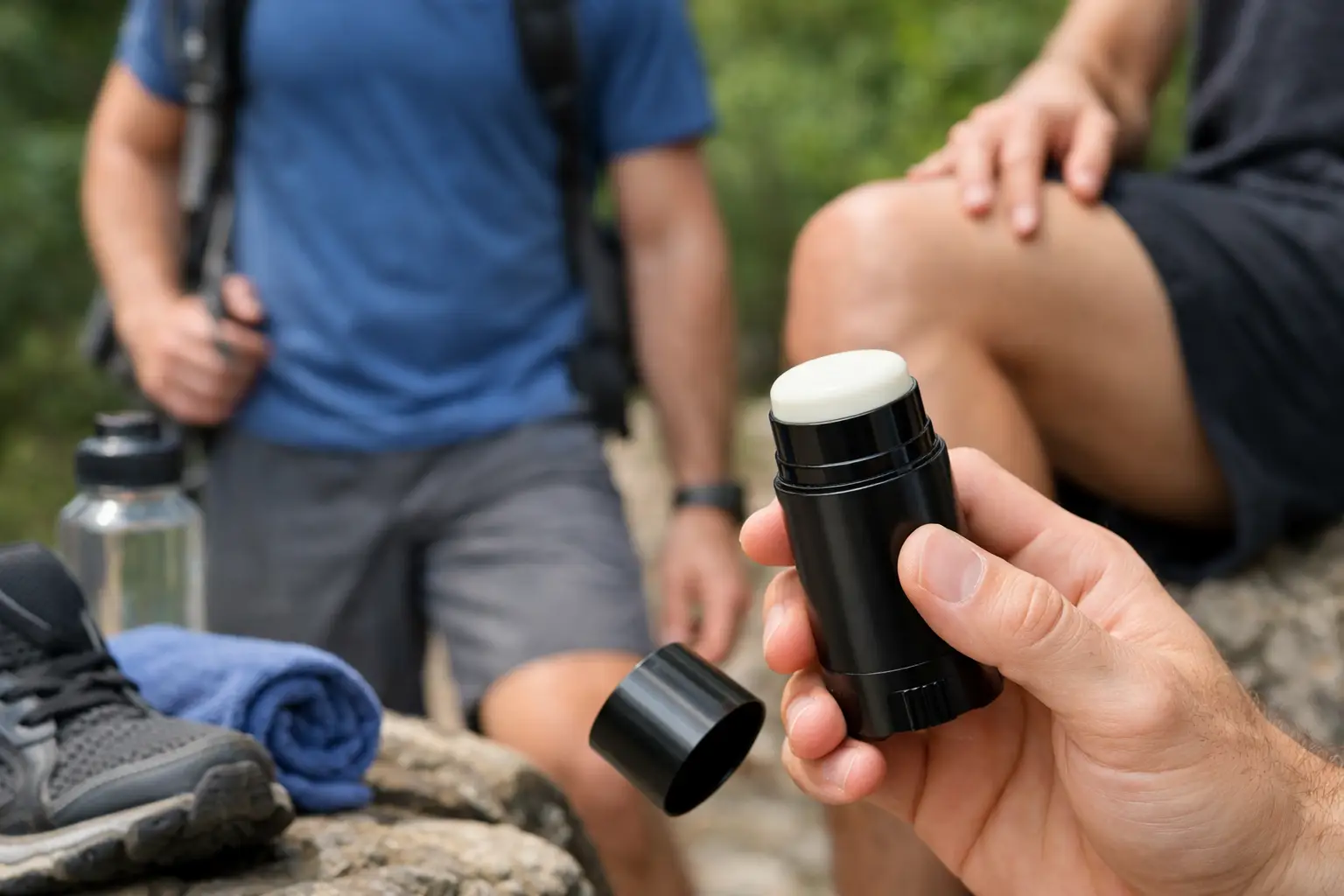
You rarely think about friction until it starts dictating the day. One hot walk, one long run, one badly timed seam, and suddenly every step feels harder than it should. That is exactly why a portable anti chafe stick earns its place in your kit – not as a luxury, but as a practical bit of protection you can actually use when and where you need it.
For active people, comfort is not a soft extra. It is part of performance. If your thighs, underarms, sports bra line, feet or waistband area are rubbing, you do not move freely. You adjust your stride, cut a session short, or spend the rest of the day irritated. A product you can keep in a gym bag, backpack, handbag or running vest solves a very specific problem: friction does not always wait until you get home.
What makes a portable anti chafe stick useful?
The portable part matters more than people think. Anti-chafe products are only helpful if they fit real life. That means they need to be easy to carry, quick to apply, and tidy enough that you do not hesitate to use them before a workout, during a long day out, or halfway through a trip.
A stick format works because it is direct and low-fuss. You swipe it on the skin exactly where friction builds, with no mess on your hands and no need to guess how much to use. That is especially useful when you are getting ready in a changing room, sitting in a car park before a race, or trying to sort out a hot spot before it turns into a proper problem.
Portability also changes how consistently people use it. A larger tub might live in the bathroom and get forgotten. A compact stick that slips into a pocket or side pouch is far more likely to become part of the routine. When a product is there at the right moment, it gets used. When it gets used, skin stays happier.
Portable anti chafe stick benefits in real movement
Friction shows up in different ways depending on the person and the activity. Runners often notice it on inner thighs, nipples, underarms or around sports bra bands. Hikers may deal with rubbing from socks, pack straps or waist belts. Cyclists can feel irritation where clothing and repeated movement create pressure over time. Even everyday situations count – long commutes, summer dresses, walking holidays, or warm days when skin-on-skin contact becomes uncomfortable fast.
This is where a portable anti chafe stick proves its value. It gives you a fast layer of defence before irritation starts, but it also helps if you need to reapply later. That second part is important. Some days are short and cool. Others involve heat, sweat, hills, extra mileage or hours on your feet. The right approach depends on the day.
That is the trade-off people sometimes miss. No product changes the fact that friction rises with time, temperature and moisture. A good stick can reduce the problem significantly, but longer sessions may still need a top-up. That is not a weakness of the format. It is simply how real movement works.
What to look for in a portable anti chafe stick
The best option is not just the smallest one. Size helps, but performance matters more. A compact stick that does not last through your run or leaves skin feeling greasy is not solving much.
Start with glide. It should go on smoothly without dragging over sensitive skin. If it feels waxy, sticky or heavy, you may avoid using it properly. A good anti-chafe balm should create a comfortable barrier that feels light enough to forget once applied.
Then think about staying power. If you are walking to the office, your needs are different from a half marathon or an all-day hike. Some people want an everyday product for occasional hot spots. Others need dependable protection under repeated movement and sweat. It helps to be honest about your use case rather than buying for an ideal version of yourself.
Ingredients matter too, especially if you use the product often. Many active consumers prefer formulas that avoid petroleum-heavy residue and feel cleaner on the skin. If you are applying something regularly to high-friction areas, it should support comfort rather than leaving you feeling coated.
The packaging should be sturdy and genuinely travel-friendly. A portable anti chafe stick has to survive being tossed into a gym bag, packed for a weekend away or carried on a long route without leaking or cracking. If it cannot handle movement, it is missing the point.
Where to apply it for the best result
Most people under-apply because they wait until the skin is already irritated. Prevention works better than rescue. The ideal time is before friction starts, on clean and dry skin, anywhere you know rubbing tends to happen.
That usually means inner thighs, underarms, chest, bra line, waistband, heels, toes or the back of the ankle. The exact areas depend on your clothing, your body and the activity. There is no single map that fits everyone. What matters is noticing your own repeat trouble spots and dealing with them early.
Use enough to create a smooth layer, but do not overdo it. More is not always better. You want coverage, not a thick coating. If you are heading out for a longer effort, carrying the stick with you gives you the option to reapply before a mild hot spot becomes painful.
Why active people keep one close
The real benefit is not just skin protection. It is momentum. When friction is under control, you can stay focused on pace, distance, scenery, form or simply enjoying yourself. You are not negotiating with discomfort every ten minutes.
That matters just as much for casual movement as it does for serious training. Plenty of people are not chasing personal bests. They just want to walk, travel, explore or get through a warm day without that burning, rubbing distraction. A portable product suits that reality because life is not always neatly planned around a bathroom shelf.
It also removes a small but common barrier to consistency. Missing a run because of a previous chafe patch, dreading a summer walk because of thigh rub, or cutting a gym session short because your kit is irritating you can slowly chip away at motivation. Practical comfort tools help you keep showing up.
Choosing for sport or everyday wear
There is some overlap, but not everyone needs the same thing. If you are mainly using a stick for daily comfort under dresses, workwear or casual walking, compact size and clean feel may be top priorities. If you are training regularly, you may care more about durability under sweat and repeated movement.
That is why the best portable anti chafe stick is often the one that fits your actual routine, not the most hyped product. Some people need all-day reliability on long efforts. Others need something discreet enough to keep in a handbag and apply quickly before heading out. Both are valid.
A focused anti-friction brand usually understands that difference better than a general skincare product trying to do everything at once. When a formula is built specifically around rubbing, hot spots and movement, the benefits tend to be more obvious in use. Runglide, for example, centres the whole product around friction prevention rather than treating it as an afterthought.
The small item that saves the day
A lot of performance gear promises dramatic improvements. A portable anti chafe stick is less flashy than that, but often more useful. It will not make you faster on its own. It will not replace smart clothing choices or proper shoe fit. But it can stop a very ordinary problem from wrecking an otherwise good run, walk or day out.
That is what makes it worth carrying. It is simple, targeted and ready when friction tries to take over. Keep one where you actually need it – in the side pocket, the race bag, the desk drawer, the hiking pack – and you give yourself a better chance of moving comfortably without interruption.
Sometimes the best performance upgrade is the one that keeps your skin out of the conversation.