

Blog
Chafing Prevention for Hikers That Works

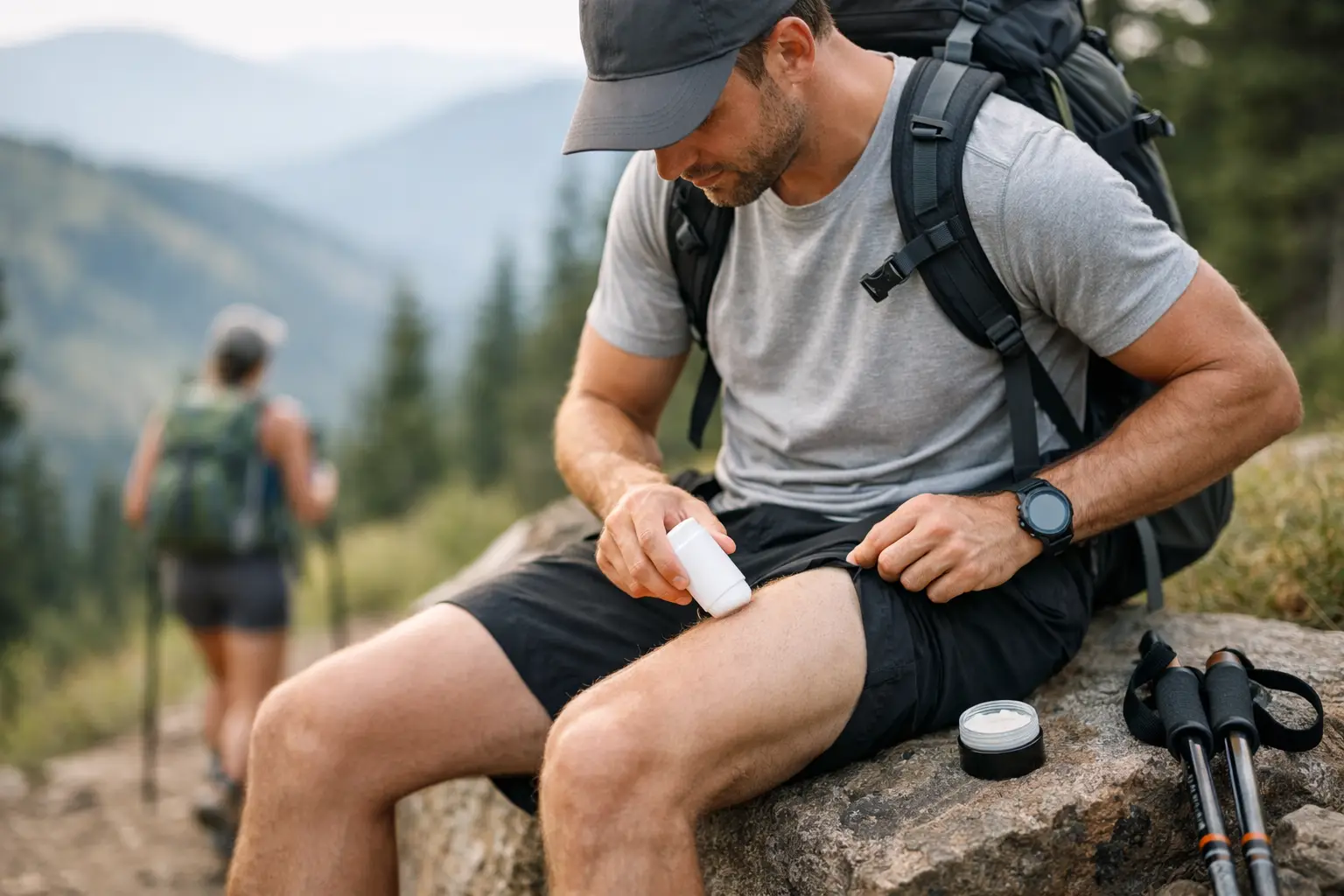
The first warning sign is usually small. A hot spot on your inner thigh halfway up a climb. A sting under your pack straps. That sharp rub at your heel you hope will settle down on its own. Proper chafing prevention for hikers is not about waiting to see if it gets worse – it is about stopping friction before it turns a good day outdoors into a slow, painful finish.
Hiking asks a lot from your skin. You are moving for hours, repeating the same motion, often in heat, sweat, wind or rain. Add a loaded rucksack, damp clothing and uneven terrain, and even experienced walkers can end up sore. The good news is that chafing is usually predictable. If you know where friction starts and what makes it worse, you can stay comfortable for far longer.
Why hikers chafe in the first place
Chafing sounds simple, but it is usually a mix of three things: friction, moisture and repetition. Skin rubs against skin, fabric or gear. Sweat softens the outer layer of skin, making it more vulnerable. Then thousands of steps do the rest.
That is why a route that feels fine for the first hour can become miserable later on. Early on, your shorts may feel comfortable and your socks may seem dry enough. By the second or third hour, salt, dampness and constant movement start to build irritation. Once skin is already inflamed, every step feels bigger.
Body shape, pace and weather all play a part. Some hikers are more prone to thigh chafe. Others struggle under the arms, around the sports bra line, or at the waistband. There is no single “hiker body” that gets chafing and no single fix that works for everyone. The right approach depends on where you rub, how long you are out, and what you wear.
The common hot spots in chafing prevention for hikers
Most hiking chafe shows up in a handful of places. Inner thighs are the obvious one, especially on warm days or longer walks. Feet are another major trouble spot, where friction and moisture team up fast. Underarms, nipples, groin, lower back and anywhere a pack or seam presses can also become irritated.
The tricky part is that some of these areas need different prevention strategies. Foot friction often comes down to sock choice, shoe fit and moisture control. Thigh or underarm chafe is usually more about reducing skin-on-skin or fabric-on-skin rubbing. Pack-related irritation may be a fit issue rather than a skin issue alone.
That matters because piling on one solution will not always solve the actual problem. If your boots are too loose, for example, even the best balm has limits. If your shorts bunch up every few minutes, fabric choice matters as much as skin protection.
Start with clothing, because fabric can help or hurt
Good hiking kit should move with you, not fight you. Soft, technical fabrics generally do better than heavy cotton because they hold less moisture and dry faster. Cotton can feel fine at the car park and miserable by mile six.
Fit matters just as much as fabric. Clothing that is too loose can bunch and fold, creating repeated rubbing points. Clothing that is too tight can dig in or trap heat. For many hikers, fitted shorts under looser layers offer a reliable way to reduce inner-thigh friction. Others prefer well-cut leggings or trousers with flat seams.
Seams deserve more attention than they get. A badly placed seam at the inner thigh, heel or underarm can turn into a constant irritant. If you already know your problem areas, test your kit on shorter walks before a full day out. A garment that looks technical on the hanger is only useful if it stays comfortable in motion.
Anti-chafe products earn their place on the trail
Once you have the basics right, a dedicated anti-chafe balm can make a real difference. This is one of the simplest upgrades in chafing prevention for hikers because it targets friction directly. Applied before you set off, it helps skin glide rather than drag.
The best time to use it is before irritation starts, not after. Think of it like putting on waterproofs before the rain arrives. If you know your thighs rub on climbs, or your sports bra line gets sore in heat, apply balm to those areas at the start. For longer hikes, carrying a portable stick for reapplication can be the difference between a small niggle and a painful final stretch.
Texture matters here. You want something that stays put, does not feel greasy and is easy to apply without fuss at the side of the trail. A targeted balm fits naturally into a hiking routine because it solves a specific problem quickly. That is why many active people keep one in their daypack as standard kit, alongside plasters and blister care.
Your feet need their own strategy
Foot chafing is a different beast. Long descents, damp socks and tiny fit issues become brutal over distance. If you are prone to blisters or rubbing around the heel, ball of the foot or toes, treat footwear as a system rather than one item.
Start with proper fit. Boots or shoes that are too big allow sliding, while tight ones create pressure and rubbing. Your hiking socks should manage moisture and stay in place. Some walkers do well with double-layer socks; others prefer thin, technical pairs that dry fast. It depends on your footwear, the season and how much your feet sweat.
Preventive application helps here too. If you know your heels are vulnerable, protect them before the first step rather than once the sting begins. And if you feel a hot spot during the walk, stop early. Five minutes of adjustment beats five days of healing.
Sweat, heat and rain change the game
Chafing is not just a summer issue, but warm weather certainly speeds it up. Sweat increases moisture, salt builds on the skin, and clothing sticks where it normally moves freely. In those conditions, prevention has to be more deliberate.
That may mean lighter fabrics, more frequent reapplication of anti-chafe protection, or changing out of damp layers if you are on a very long day. It can also mean accepting that your usual setup for cool-weather rambles may not be enough on a humid ridge walk in July.
Rain creates a different challenge. Wet kit can rub more, especially if seams swell or fabric starts clinging. If you are hiking in mixed conditions, choose layers that dry reasonably quickly and avoid anything that turns heavy once soaked. Waterproofs can also create friction points at the neck, waist and underarms if they are stiff or poorly fitted.
Small mistakes add up over distance
A lot of hiking discomfort comes from details that seem minor at home. The wrong underwear. A half-twisted sock. A hip belt adjusted slightly off-centre. None of these sound dramatic, but repeated over 15 or 20 kilometres, they matter.
This is where experienced hikers often have an edge. They know that comfort is performance. If your skin is on fire, your pace drops, your mood dips and your focus narrows. You stop enjoying the route and start counting down the steps to the car.
The strongest routines are usually simple. Wear tested layers. Protect known friction zones. Check your footwear fit. Sort a hot spot early. Keep your essentials accessible. A product like Runglide works best in that kind of system – not as magic, but as reliable friction defence that helps your whole setup perform better.
Chafing prevention for hikers on long days
The longer the walk, the less room there is for denial. On a short stroll, you may get away with a rubbing seam. On a full-day trek or back-to-back hiking weekend, small friction points become major problems.
For longer outings, prepare as if your comfort will be tested, because it probably will. Apply anti-chafe protection before you leave. Pack spare socks if your feet run damp. Bring the clothing you trust, not the new piece you are “seeing how you get on with”. If conditions change, adjust early rather than pushing on and hoping.
There is also a pacing element. Hard climbing, overheating and carrying too much can all increase sweat and rubbing. That does not mean taking it easy all the time. It means recognising when your body and kit are entering a higher-friction zone and acting before damage builds.
The goal is not to baby every step. It is to remove distractions so you can keep moving well.
When chafing prevention is done right, you barely think about it. You notice the climb, the weather, the view from the top. You finish strong instead of sore. And that is really the point – the best hiking days are the ones where your body is free to get on with the adventure.