

Blog
How to Stop Trekking Blisters for Good

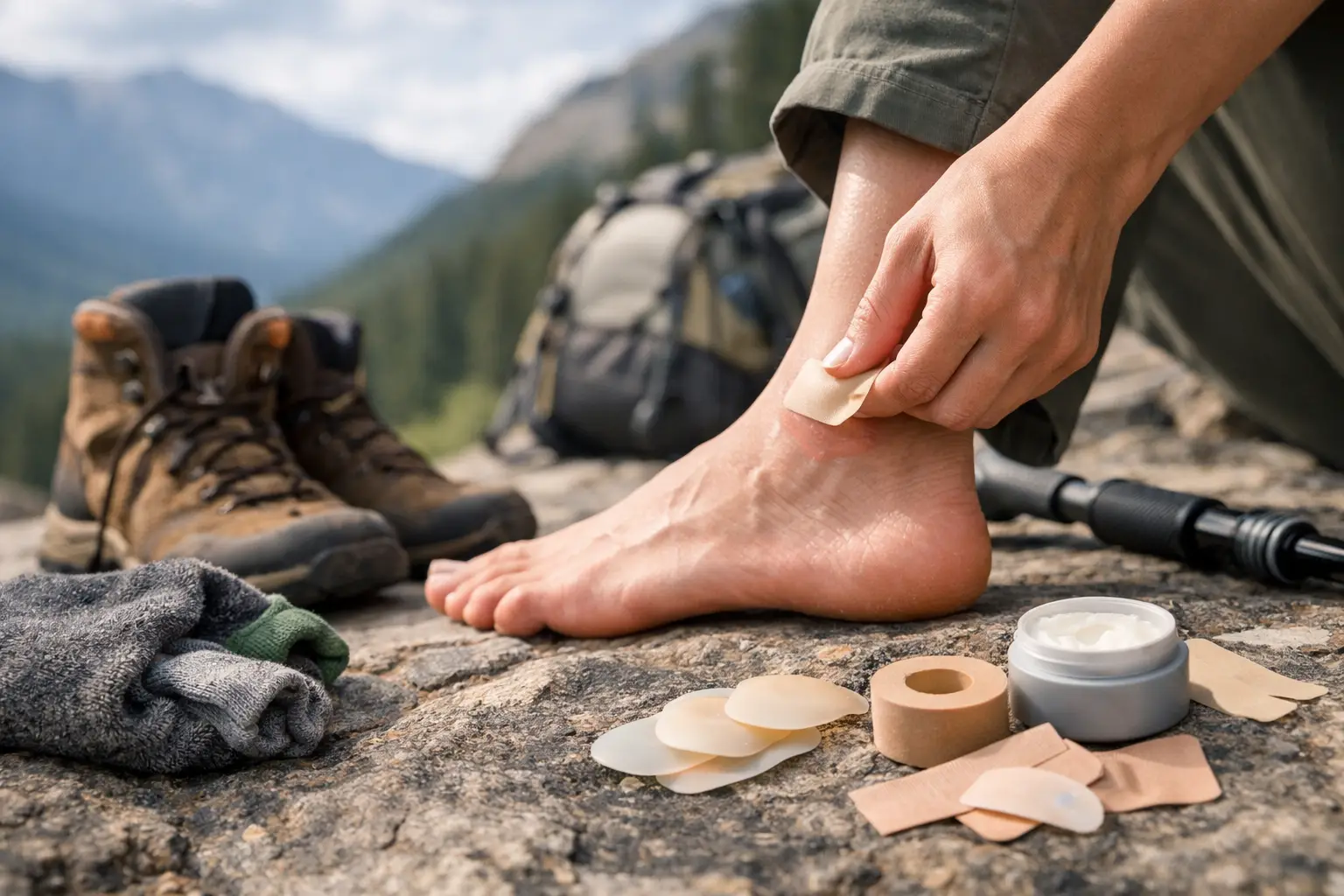
The first warning sign is rarely dramatic. It is that faint hot spot on the heel three miles in, or the rubbing under the ball of your foot just as the climb starts to bite. If you are wondering how to stop trekking blisters, the answer is not one magic fix. It is a system – less friction, less moisture, less pressure, and quicker action the moment your feet start complaining.
Blisters do not just slow a walk. They change your stride, sap confidence, and can turn a strong day on the trail into a limp back to camp. The good news is that most trekking blisters are preventable when you treat foot comfort like part of your kit, not an afterthought.
How to stop trekking blisters starts before the walk
Most blisters are created long before you feel them. They happen when skin is exposed to repeated rubbing, heat, moisture, and pressure. On a trek, that usually means your boots move too much, your socks hold sweat, or one part of your foot is taking more load than it should.
Boot fit is the first thing to get right. Tight boots can create pressure points over your toes, along the sides, or on the top of the foot. Loose boots let your heel lift and slide, which is one of the fastest ways to build friction. A good trekking boot should feel secure round the heel, stable through the midfoot, and roomy enough in the toe box that your toes are not crashing forward on descents.
That last point matters more than many people realise. Plenty of walkers think they need to “break in” pain, when the real issue is poor sizing or shape. If your toes hit the front on downhill sections, or the same spot rubs every time you wear the boots, the fit may simply be wrong for your foot.
Breaking in matters, but only to a point
New boots can soften and flex with wear, but they do not usually transform into a different shape. Wear them on short walks first, then build to longer days with the socks you actually plan to trek in. If a boot is causing sharp rubbing from the start, do not assume more miles will solve it.
Insoles can help if pressure is uneven or your foot moves too much inside the boot. For some trekkers, a better insole improves heel hold and reduces sliding. For others, it changes volume too much and makes rubbing worse. This is one of those it depends situations – test at home, not halfway through a ridge walk.
Socks can make or break your day
If your boots are the structure, your socks are the interface. Cotton is a poor choice for trekking because it holds moisture and stays damp. Damp skin softens, and softened skin blisters more easily.
Go for technical walking socks made from moisture-managing fibres such as merino blends or synthetic fabrics. Some trekkers swear by thicker cushioned socks, while others do better in a lighter sock that reduces bunching and heat. Again, your foot shape and boot fit decide which works better.
A double-layer sock system can help if you are prone to heel blisters. The idea is simple – friction happens between sock layers rather than against your skin. For some people this is a game changer. For others it feels bulky inside the boot. You need enough room in your footwear for it to work properly.
Whatever sock style you choose, the non-negotiables are fit and condition. Worn-out socks with rough seams or flattened cushioning are more likely to rub. If they slide down, crease up, or twist during the day, replace them.
Moisture control is half the battle
Sweat does not just make feet wet. It increases friction and softens the outer layer of skin, making it easier for rubbing to cause damage. That is why blister prevention is not only about fit. It is also about keeping your feet as dry and stable as possible.
Before a long trek, make sure your feet are clean and fully dry. Pay attention between the toes and round the heel. If you know you sweat heavily, bring a spare pair of socks and change them before your feet get saturated, not after the rubbing has already started.
This is where anti-friction products earn their place in your pack. A well-applied anti-chafe or anti-blister balm reduces rubbing in high-risk areas such as heels, toes, arches, and the ball of the foot. It works best as prevention, not rescue. Apply it before you set off and reapply if needed on very long or wet days. A compact friction barrier is one of the easiest upgrades you can make because it adds protection without changing your whole kit setup.
Hot spots are your early warning system
If you only act once a blister has formed, you are already behind. The smarter move is to stop the moment you notice a hot spot. That mild sting, warmth, or tender patch is the stage where you can still shut the problem down.
Take off the boot and sock. Check for grit, damp fabric, folded sock sections, or a lace pattern that is creating pressure. Dry the area if needed, then protect it straight away. Depending on the situation, that might mean a blister plaster, a strip of tape, or a friction balm reapplied to the area before putting your sock back on.
The biggest mistake is pushing on because the discomfort seems minor. Minor is exactly when it is easiest to fix. Five minutes of trail-side maintenance can save you hours of misery later.
Lacing changes more than most people think
A surprising number of blister issues come from movement inside the boot rather than the boot itself. Lacing can help lock the heel in place, reduce toe bang on descents, or ease pressure on the top of the foot.
If your heel lifts, try a heel-lock lacing method near the top eyelets to hold the foot back. If your forefoot feels cramped, easing tension lower down can create a bit more space without making the whole boot loose. There is no universal perfect lace pattern. The goal is a secure fit with no slipping and no pressure points.
Check your laces again during the day, especially after climbs, descents, or weather changes. Feet can swell on long walks, and what felt fine at the start may need adjusting later.
Foot care before the trek still counts
Healthy skin is more resilient skin. If your heels are deeply cracked or your nails are too long, your feet are already at a disadvantage before the first mile.
Trim toenails straight and not too short, so they do not catch the front of the boot on descents. If you deal with hard skin, keep it under control rather than letting it build into thick ridges that create pressure. At the same time, avoid turning your feet overly soft with heavy moisturising right before a trek. You want skin that is supple, not soggy.
Some experienced trekkers build tolerance over time with regular walking, and there is truth in that. Feet do adapt to repeated loading. But conditioning helps most when the basics are already sorted. Walking more in badly fitted boots will not turn them into the right boots.
What to do if you already have a blister
Even with solid preparation, long miles, heat, rain, and steep terrain can still catch you out. If a blister forms, protect it quickly and reduce further rubbing.
If the blister is small and intact, covering it and taking pressure off is usually the best move. Keep it clean and padded so the surrounding area is not constantly irritated. If it is large or painful, some walkers choose to drain it carefully, but hygiene matters. On the trail, poor blister treatment can create a bigger problem than the blister itself.
If the skin has torn, clean it, protect it, and watch for signs of infection. Redness spreading beyond the area, increasing pain, swelling, or pus means it is time to take it seriously. One rough patch on the trail is manageable. An infected foot is not.
The best blister strategy is consistent, not complicated
If you want to know how to stop trekking blisters reliably, think in layers. Start with boots that fit your actual foot shape. Add socks that manage moisture and stay put. Use friction protection before the rubbing starts. Pay attention to hot spots early, and do not be stubborn when your feet ask for a quick fix.
There is no medal for ignoring discomfort. Strong trekkers are not the ones who suffer through preventable problems. They are the ones who prepare well enough to keep moving comfortably, mile after mile.
A long day on the trail should test your legs and your lungs, not the skin on your heels. Give your feet the same attention you give your route, your weather kit, and your fuel, and they will carry you much further.