

Blog
Running Skin Protection Balm for Friction-Free Miles

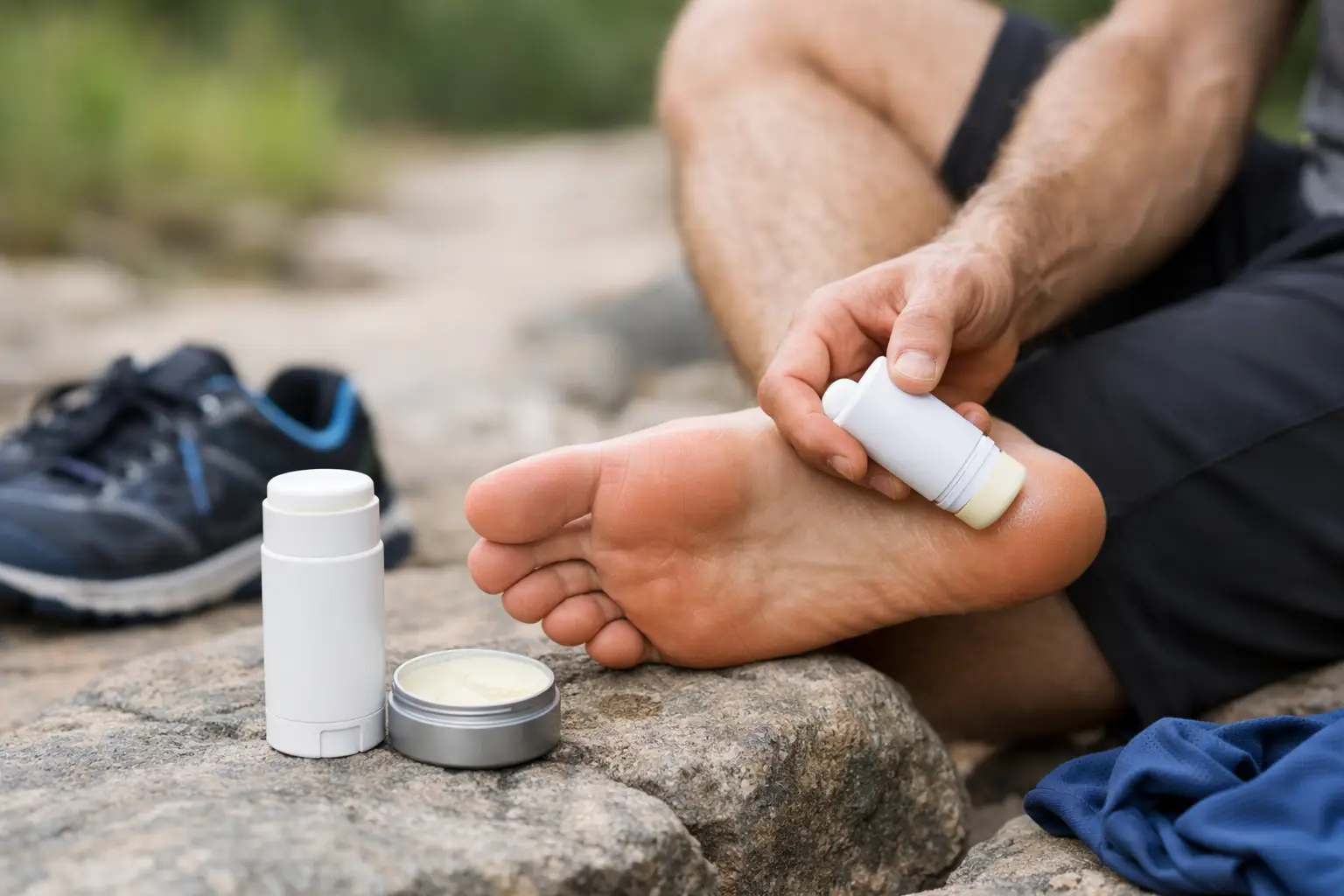
That sharp, hot spot feeling can turn up long before your legs are tired. One minute your run feels smooth; the next, every stride rubs against irritated skin or a sock starts grinding at your heel. A running skin protection balm creates a protective barrier at those high-friction points, helping you stay focused on your pace, your route and the miles ahead.
It is a small step in a running routine, but it can make a meaningful difference. Whether you are training for a half marathon, jogging round the park, heading out on a rainy trail or building confidence with your first 5K, preventing friction before it starts is far easier than managing sore skin afterwards.
Why runners get chafing and blisters
Friction is not a sign that you are doing anything wrong. It is simply what happens when skin, fabric, seams or footwear repeatedly move against each other. Add sweat, heat, rain, salt and longer distances, and the skin’s natural defences can become overwhelmed.
For some runners, the main issue is inner-thigh chafing. For others, it is underarms, bra lines, waistbands, nipples, toes or the back of the heel. Your personal trouble spots can also change with the season, your kit, the terrain and the distance. A pair of shorts that feels perfect for 30 minutes may cause rubbing after 90.
Blisters work in a similar way. A sock that shifts slightly, a shoe that becomes damp, or a foot that swells as the miles build can create repetitive rubbing. The result may start as warmth or tenderness, then progress to a painful blister that affects the rest of your training week.
How running skin protection balm works
A quality balm is not about making you feel greasy or coated. It is about reducing drag between surfaces. Applied to clean, dry skin before you run, it helps create a smooth layer so skin and fabric can move with less irritation.
Think of it as invisible armour for the places that take the most punishment. It does not replace well-fitting shoes, breathable socks or running kit that suits your body. It supports them. When your gear is right and your friction protection is in place, you are less likely to be distracted by preventable discomfort.
The best format is often a portable stick. It is quick to apply, easy to keep in a gym bag or race kit, and far less messy than trying to use a cream with sweaty hands. For runners who prefer purposeful ingredients, a petroleum-free, oil-free and cruelty-free option can also fit more comfortably into an everyday routine.
Where to apply balm before a run
Apply balm to areas where you have chafed before, but do not wait for a bad experience to identify them. Pay attention to any place where skin meets skin or where kit repeatedly presses, folds or rubs.
Thighs and groin area
Inner-thigh chafing is one of the most common complaints in warm weather, during longer runs and when clothing rides up. Apply a generous, even layer to the areas that touch as you stride. If you are wearing shorts, test your routine on an ordinary training run before relying on it for race day.
Feet, toes and heels
Feet deserve a little extra attention because they are working inside a warm, enclosed shoe. Glide balm over known hot spots, including the back of the heel, sides of the foot and between toes if that is where rubbing starts for you. Make sure your feet are dry first, then put on clean, well-fitting socks.
Underarms, waistbands and sports bra lines
Seams and elastic can become surprisingly abrasive once sweat builds. A light layer beneath the arms, around a waistband or under a sports bra band can reduce the rubbing that often shows up on long runs. Men who experience nipple chafing may also apply balm to that area, or use it alongside appropriate clothing solutions.
Apply it before the problem starts
The timing matters. Skin protection balm works best as prevention, not as a rescue product for already broken skin. Apply it shortly before you get dressed for your run, allowing enough time to cover each friction point properly rather than swiping it on at the front door.
For a short, easy outing, one application may be all you need. For a long run, ultra, trail day or event in humid conditions, carry your stick and reapply when practical. There is no universal schedule because sweat rate, weather, terrain and clothing all affect how long a protective layer lasts.
A useful rule is to listen to early signals. If you notice a warm patch, persistent rubbing or a sock beginning to bunch, address it at the next safe opportunity. A 30-second adjustment can prevent several days of discomfort.
Your kit still matters
Balm is powerful, but it cannot fully compensate for shoes that do not fit or kit with a seam that consistently digs in. If you are getting blisters in exactly the same place every run, assess the full setup: shoe size, lacing, sock thickness, moisture management and wear inside the shoe.
The same goes for thigh or waistband chafing. Try different short lengths, fabrics and fits. Loose clothing is not always the answer, because excess fabric can move around and create its own friction. The goal is stable, comfortable kit that moves with you, supported by a protective barrier where needed.
Avoid trying brand-new socks, shoes, shorts and balm quantities all at once before a race. Make one or two changes in training, then see what works over distance. Your anti-chafe routine should feel dependable, not experimental.
Adjust for weather and distance
Hot weather tends to mean more sweat and more skin-on-skin friction. In these conditions, be generous with application and consider carrying your balm on longer outings. Wet weather brings a different challenge: soaked socks and shoes can soften skin, making it easier for blisters to form.
Cold runs can still cause chafing, particularly when layers shift or damp base layers cling to the body. Do not assume winter kit removes the need for protection. If you have had issues under a pack, around a waistband or at your heels, keep those areas in your routine all year.
Distance is the other major factor. A balm routine that feels unnecessary for a quick weekday run can become essential once you are out for two hours or more. Build it into your long-run checklist alongside water, fuel, keys and your route plan.
What to look for in a running balm
Choose a balm that is easy to apply, stays comfortable during movement and suits your skin. A stick makes targeted application simple, while a non-greasy feel helps prevent the product from becoming another annoyance. If you have sensitive skin, patch test a small area before using any new product on a long run.
It is also worth considering what you want to avoid. Many active people look for formulas without petroleum or unnecessary oils, particularly for regular use around clothing and sensitive friction zones. Runglide Anti Chafe Balm is designed around that focused job: helping reduce friction so movement feels freer, from training miles to everyday walks.
Do not apply balm to broken, infected or severely irritated skin. Give damaged skin time to recover, keep the area clean, and seek advice from a pharmacist or healthcare professional if pain, swelling, discharge or persistent irritation is a concern.
Make comfort part of your performance plan
Serious runners track sessions, pacing and recovery. Skin protection deserves the same practical attention. It is not a luxury reserved for race day or ultra-distance events; it is one of those simple preparations that helps make training more consistent.
Before your next run, take a moment to protect the places that usually complain first. When friction is no longer stealing your focus, you can spend your energy where it belongs: settling into your stride and seeing what you can do.