

Blog
Choosing a Cruelty Free Anti Chafe Balm

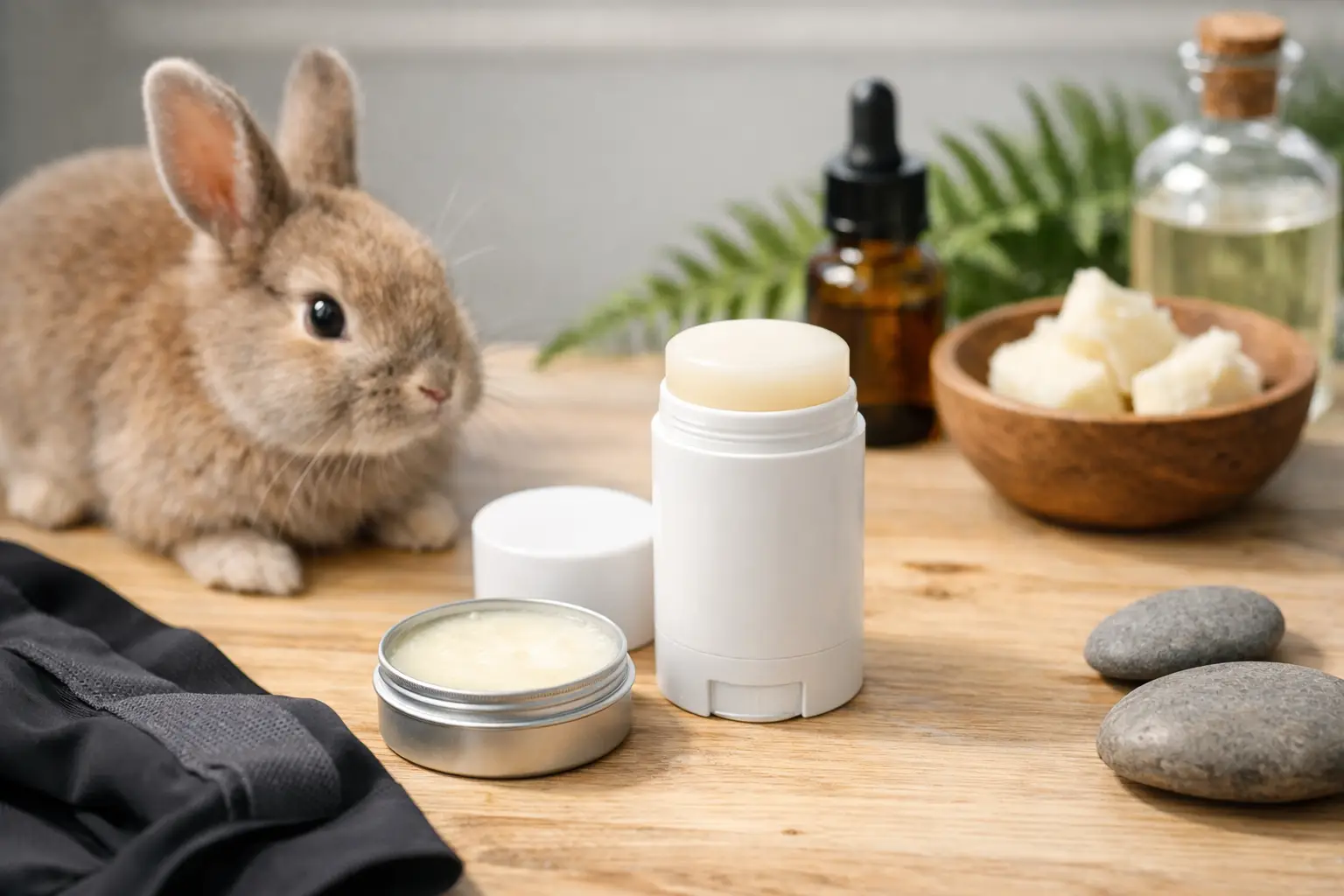
That hot, raw patch on your inner thigh or under your sports bra rarely gives you much warning. One mile feels fine, then suddenly every step starts to sting. A good cruelty free anti chafe balm changes that fast. It creates a barrier where skin, fabric or footwear would usually rub, so you can keep moving without irritation stealing your focus.
Why a cruelty free anti chafe balm matters
If you train regularly, you already know friction is not a minor issue. Chafing can derail a run, make a long walk miserable and turn an otherwise strong session into a lesson in discomfort. Even outside sport, warm weather, commuting, travelling and day-to-day movement can trigger rubbing in all the usual places – thighs, underarms, feet, chest and around seams.
Choosing a cruelty free anti chafe balm adds another layer to that decision. You are not just looking for relief. You are looking for a product that performs under pressure and aligns with how you want to shop. For many active people, that means avoiding animal testing while still expecting serious staying power.
That is the key point. Ethical claims are not enough on their own. If a balm melts too quickly, feels greasy or disappears after twenty minutes, it will not earn a place in your kit bag. The right product has to do both jobs well – protect your skin and fit your standards.
What actually makes a balm work
Anti-chafe products are simple in theory but not all of them behave the same way once you start sweating. The goal is to reduce friction by helping skin and fabric glide rather than drag. The best balms do this without leaving you slippery, sticky or coated in residue.
Texture matters more than most people expect. A balm that goes on smoothly in a few swipes is usually easier to use consistently. If application feels messy or heavy, people tend to use too little or skip it altogether. That is often when friction creeps back in.
Staying power is the next test. Some formulas feel good at first but break down quickly in heat or moisture. Others hold up better through long runs, hikes and gym sessions. There is no single perfect formula for every person because sweat rate, skin type, clothing and activity all change the result. But in general, a solid balm that applies cleanly and keeps a stable barrier tends to work better than anything overly oily.
How to judge ingredients without overcomplicating it
You do not need a chemistry degree to shop well, but it helps to know what you are trying to avoid. If your aim is comfort during movement, look for a formula designed around friction prevention rather than general moisturising. They are not the same thing.
Some people assume a richer, oilier product will give more protection. Sometimes it can, but it can also transfer onto clothing, feel heavy in hot conditions or make skin feel coated. For active use, lighter and cleaner-feeling formulas often win because they stay comfortable while you move.
If you prefer a cruelty free anti chafe balm with a more considered ingredient profile, it also makes sense to check whether the formula avoids petroleum-heavy or overly greasy finishes. Plenty of users want effective protection without that slick, waxy feel. That is especially true if you are applying around the thighs, feet or bra line before a workout.
Fragrance is another personal factor. Some people like a fresh scent, while others would rather use something low-key, especially on sensitive areas. Neither preference is wrong. It depends on where you apply it and how reactive your skin tends to be.
Where people need protection most
Chafing is common, but it is not always talked about honestly. Runners mention nipples and inner thighs. Hikers think about heels, toes and pack rub. Cyclists often deal with repetitive contact around seams and pressure points. Gym users can get friction from leggings, shorts, sports bras or rowing sessions. And plenty of people simply want to walk to work, go on holiday or wear a dress in warm weather without that burning skin sensation.
That range matters because application areas change what you need from the product. Feet often need precision and reliable wear inside socks and shoes. Thighs need smooth coverage over a wider area. Bra lines and underarms usually need something that does not feel thick or uncomfortable once body heat rises.
A stick format is often the easiest answer because it is quick, portable and less messy than creams or jars. You can keep one in a gym bag, a rucksack or a work bag and apply it exactly where you need it. When a product fits real life, you are more likely to use it before problems start.
How to choose the right cruelty free anti chafe balm
The best choice depends on when, where and how you move. If you are training for distance events, durability will probably sit at the top of your list. You need a balm that keeps friction under control for hours, not just the first part of a session. If your main concern is daily comfort, you may care more about a clean finish, easy reapplication and something that feels invisible once it is on.
It is also worth thinking about clothing. Tight technical fabrics create different friction patterns from loose cotton or denim. Heat and humidity matter too. A balm that feels fine in cool weather may not perform the same way during a summer race or a long walking day abroad.
Skin sensitivity should guide your choice as well. If your skin reacts easily, simpler formulas can be a safer place to start. If you are using the balm on multiple zones, consistency becomes important. You want one product that can handle your feet, thighs and upper body without turning your routine into hard work.
This is where focused brands tend to stand out. When a product is built specifically for anti-chafe performance rather than trying to be a general skincare catch-all, it usually shows in the user experience. Runglide, for example, keeps that promise straightforward: friction prevention first, easy use, easy carry, no fuss.
Common mistakes that make good products seem ineffective
A lot of anti-chafe disappointment comes down to timing and coverage. People often apply balm only after they feel rubbing start. By then, the skin is already irritated, so even a good product may feel less impressive. Prevention works better than rescue.
Too little product is another common problem. You do not need to cake it on, but you do need enough coverage to create a proper barrier. One quick pass is not always enough for high-friction areas, especially on long efforts.
Then there is reapplication. Not every session needs it, but long distances, heavy sweating and full-day activity can. That is not a product failure. It is just real-world use. The trick is choosing something portable enough that topping up does not become a hassle.
What good anti-chafe protection should feel like
When a balm is doing its job, you should stop thinking about the area altogether. No dragging. No sudden sting. No adjusting your clothes every few minutes. The skin should feel protected, not suffocated.
That clean, low-fuss feel is what makes a product worth buying again. You want something that supports performance, but also everyday confidence. Whether you are heading out for a long run, a hike in warm weather or a busy day on your feet, comfort should not be something you have to earn the hard way.
A cruelty free anti chafe balm is a small piece of kit, but it can have an outsized effect on consistency. When friction is handled early, you move better, train with fewer interruptions and spend less time recovering from preventable irritation. That leaves more room for the miles, the effort and the simple pleasure of staying active without your skin holding you back.
The smartest choice is usually the one you will actually use – easy to carry, easy to apply and reliable when heat, sweat and distance start testing your limits.