

Blog
How to Reduce Friction During Spin Class

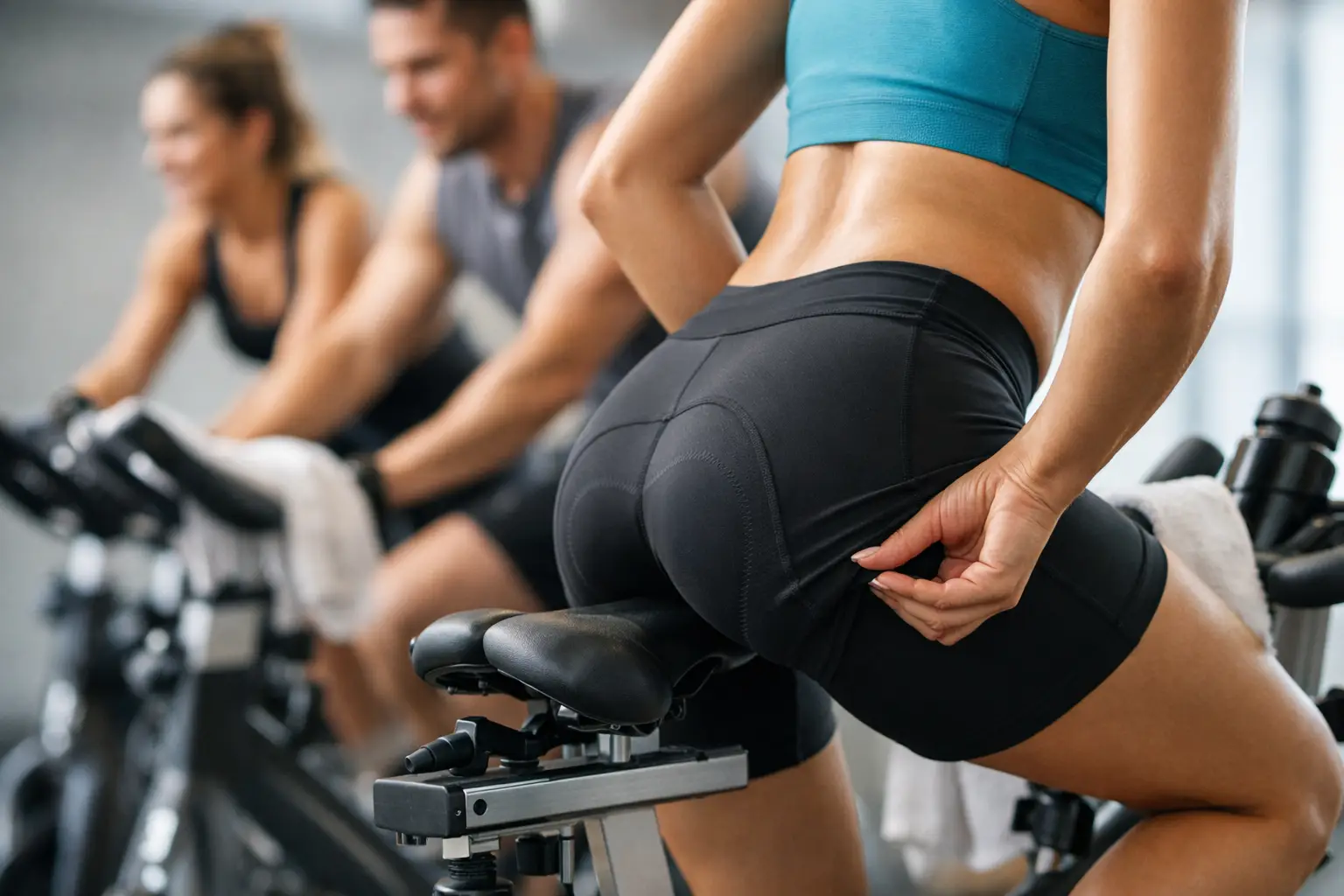
The first few minutes of a spin class should be about finding your rhythm, not shifting in the saddle, tugging at your shorts or worrying about a hot spot on your heel. Knowing how to reduce friction during spin class lets you focus on the climb, the sprint and the feel-good finish – rather than skin irritation that can make tomorrow’s ride less appealing.
Friction is common in indoor cycling because the movement is repetitive, the room can get warm and sweat stays close to the skin. The good news is that most chafing and rubbing can be prevented with a few smart adjustments before you clip in.
Why spin class creates so much friction
Every pedal stroke creates small movements between your body, clothing, shoes and the bike. On a longer class, those movements add up. Sweat softens the outer layer of skin, while heat and pressure make irritation more likely.
The saddle is usually the main trouble spot. If your shorts have rough seams, your bike position is off, or the fabric stays damp, rubbing can happen around the inner thighs, groin, glutes and sit bones. Your feet can also suffer if cycling shoes are too loose, socks bunch up or cleats leave you pushing at an awkward angle.
This does not mean spin is meant to hurt. A tough workout can challenge your lungs and legs, but sharp rubbing, burning skin or recurring blisters are signs that something in your set-up needs attention.
Start with shorts that stay put
For regular riders, padded cycling shorts are one of the most useful upgrades you can make. The padded insert, often called a chamois, creates a protective layer between you and the saddle while helping manage moisture. It should sit smoothly against the skin and remain in place when you stand, climb and sprint.
Fit matters more than a premium label. Shorts that are too loose can fold and rub. Shorts that are too tight can dig into the thigh or create pressure at the waistband. Try a few squat and pedal movements at home: if the fabric rides up, rolls or pinches before you start, it is unlikely to improve forty minutes into class.
Wear padded cycling shorts without underwear. It can feel unfamiliar at first, but an extra layer introduces more seams, fabric movement and retained sweat. Choose clean shorts for every ride, too. Rewearing damp kit can irritate already-sensitive skin and is simply not worth the risk.
If you prefer leggings for a casual class, select a pair with minimal inner-thigh seams and enough structure to stay in place. They may work well for a shorter, low-intensity session, but frequent riders usually benefit from a proper cycling short.
Protect high-friction areas before you ride
Once skin starts to rub, it becomes more vulnerable with every pedal stroke. Prevention works better than trying to manage soreness afterwards. Before class, apply an anti-chafe balm to clean, dry skin in any area where you commonly feel rubbing – such as the inner thighs, groin, under the edge of shorts, or around the bra line if your top moves during hard efforts.
A stick format is particularly practical for gym bags because application is quick, targeted and mess-free. Runglide RG Anti Chafe Balm creates an invisible protective barrier without petroleum or oils, helping skin move more comfortably through repetitive motion.
Use enough to cover the area lightly, rather than applying a thick coating that could feel uncomfortable. Everyone’s friction points differ. A rider who gets inner-thigh chafing may not need protection around the saddle area, while someone new to spinning may find both useful until their position and kit are dialled in.
Do not apply balm to an open blister, broken skin or a rash that looks infected. Give damaged skin time to recover, and seek advice from a healthcare professional if soreness is severe, spreading or does not settle.
Set up the bike to suit your body
A poor bike fit can make even excellent kit feel ineffective. Spinning bikes are adjustable for a reason, so take a minute to set yours up before the instructor starts. A rushed set-up is one of the fastest routes to sliding in the saddle, overreaching for the bars and creating unnecessary friction.
Check saddle height and position
With your heel resting on the pedal at its lowest point, your leg should be nearly straight without your hips rocking from side to side. When you place the ball of your foot correctly on the pedal, you should have a small bend in the knee at the bottom of the stroke.
If the saddle is too high, you may rock across it to reach the pedal. That repeated side-to-side movement can cause rubbing around the sit bones and inner thighs. Too low, and you may feel compressed at the top of each pedal revolution while placing extra pressure through the saddle.
The saddle should generally sit level. A sharply downward tilt can make you slide forwards and brace with your arms, while a nose-up saddle can concentrate pressure in sensitive areas. Small adjustments can make a noticeable difference, so change one thing at a time.
Adjust the handlebars for control, not strain
Set the handlebars high enough that you can keep a relaxed spine and soft bend in your elbows. Beginners and anyone with lower-back tightness often feel better with them slightly higher. If the bars are too far away or too low, you may slide forwards, grip too hard and rub your palms or wrists against the contact points.
Ask the instructor for help if you are unsure. Good instructors would rather spend thirty seconds helping you set up than have you spend the class uncomfortable.
Keep your feet dry and secure
Foot friction can quietly ruin a ride. A hot spot beneath the ball of the foot, a blistered toe or a heel that slips inside the shoe will affect how confidently you pedal.
Wear technical cycling or sports socks that wick sweat and fit closely without bunching. Cotton can hold moisture, which increases rubbing, especially in a hot studio. Make sure shoes are snug at the heel but not tight across the toes. Your feet may swell slightly as you warm up, so a shoe that feels aggressively tight before class will not feel better during the final sprint.
If you use clip-in shoes, check that your cleats are secure and that both feet sit naturally. Persistent pain on one side can be a fit issue rather than a toughness issue. It may be worth asking a bike-fit professional for advice if it keeps returning.
Manage heat and moisture in the studio
Sweat is normal. Staying in soaked clothing for an hour is not ideal for your skin. Bring a small towel and use it during recovery periods to dry your hands, face and any exposed areas that are becoming slippery. Choose a breathable top that does not drag against your underarms or waistband when you lean forwards.
Hydration also has a role. Drink water before and during class, particularly in a warm studio, but remember that more sweat means greater need for breathable kit and friction protection. There is no prize for wearing a heavy sweatshirt through a high-intensity ride.
After class, change out of damp shorts as soon as practical. Shower, rinse away sweat and allow the skin to dry fully. If an area feels tender, wear loose, breathable clothing afterwards rather than tight leggings that continue to rub on the walk home.
Do not ignore saddle discomfort that keeps returning
Some adjustment period is normal when you are new to spinning, especially if your body is not used to saddle pressure. However, you should not accept persistent chafing, numbness, broken skin or pain that alters how you ride.
Consider whether your saddle shape is right for you, particularly if you cycle outside as well as attending studio classes. A wider saddle is not automatically more comfortable, and a heavily padded saddle can sometimes increase rubbing by creating more surface movement. The right option depends on your anatomy, posture and riding style.
For studio bikes, a clean saddle cover may add comfort for some riders, but it can also shift if it is poorly fitted. If you use one, make sure it is secure and does not create new folds or seams.
Build confidence, one comfortable class at a time
The best spin sessions leave your legs tired, your head clearer and your confidence higher. They should not leave you dreading the shower because your skin is raw. A well-fitted pair of shorts, a properly adjusted bike, dry socks and targeted skin protection can remove the little distractions that hold back a great ride.
Set up with intention, listen to what your body is telling you and give yourself permission to make adjustments. Comfort is not a shortcut in spin class. It is what helps you keep turning up, pushing on and enjoying every mile you earn.