

Blog
Best Anti Rub Products for Long Travel Days

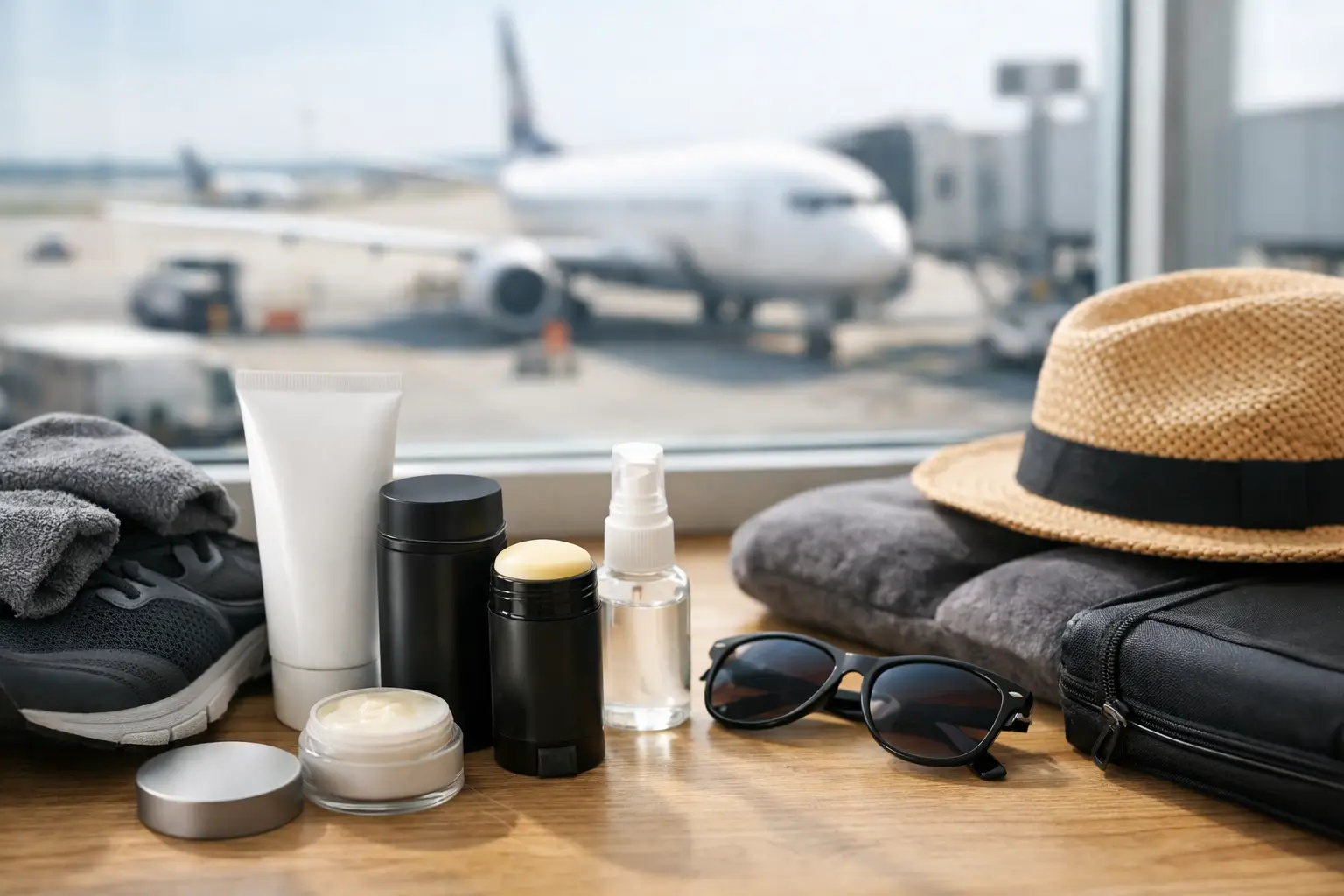
The day can unravel long before you reach your hotel. It starts with a warm airport walk, a crowded connection, a suitcase that suddenly feels twice as heavy, then hours on your feet once you arrive. The best anti rub products for travel days help stop a small hot spot, thigh rub or heel pinch from becoming the thing you remember most about your trip.
Whether you are flying for a city break, trekking between terminals, driving across the country or spending a full day exploring on foot, friction prevention deserves a place beside your passport and charger. The right product is small, simple and ready before your skin starts to complain.
What makes the best anti rub products for travel days?
Travel creates a particular kind of friction. You may sit for hours, then walk quickly with bags. You may be dealing with heat, humidity, new shoes, stiff sandals or clothes that feel fine at home but rub after eight kilometres around a new city. Add sweat, saltwater or a rushed change between activities, and skin can become much more vulnerable.
The best option depends on where you tend to rub. Skin-on-skin chafing calls for a different approach from a heel that slips in a trainer. A practical travel kit usually focuses on prevention first, with a backup for problems that appear mid-journey.
Look for products that are compact, easy to apply without making a mess, and comfortable under clothing or footwear. If you are travelling in warm conditions, a formula that stays put through movement matters more than one that feels pleasant for five minutes. If you are packing light, choose a product that can protect several areas rather than filling your wash bag with one-purpose items.
Anti-chafe balm sticks for thighs, feet and more
A solid anti-chafe balm is the most versatile place to start. Applied before you leave, it creates a protective barrier in high-friction areas, helping skin glide instead of repeatedly catching and rubbing. The stick format is especially useful for travel: no spills in your bag, no need to get product on your hands, and quick application in an airport bathroom or hotel room.
Use it on inner thighs, underarms, bra lines, the waistband area, between toes, heels and anywhere clothing, straps or skin repeatedly meet. It can also help where a backpack, crossbody bag or swimsuit tends to rub.
For active travel, choose a balm designed specifically for friction rather than a general moisturiser. Thick creams can feel sticky, while some oil-heavy formulas may transfer to clothing or feel slippery inside footwear. Runglide RG Anti Chafe Balm is made for this exact job: portable, cruelty-free protection that helps you keep moving without petroleum or oils getting in the way.
Apply generously enough to cover the contact area, but do it before irritation starts. Once skin is already broken or very sore, avoid rubbing more product directly into it and give the area a chance to recover.
Why a stick earns its place in hand luggage
A stick is an easy win when you are travelling with only a small bag. It is tidy, fast and far less likely to leak over your headphones or holiday clothes. More importantly, it makes prevention realistic. When protection takes seconds, you are more likely to use it before a long walking day rather than wishing you had done so later.
Blister plasters for surprise hot spots
Even the most carefully planned trip can include unfamiliar footwear, rain-soaked socks or an extra-long walk home. Blister plasters are useful for that moment when you notice a tender spot on your heel, little toe or the side of your foot.
These cushioned dressings protect the area from further rubbing and can reduce the sting caused by shoe pressure. They are not a replacement for preventing friction in the first place, but they are a smart recovery item to keep in your day bag.
Apply one to clean, dry skin and give it time to adhere properly. If the skin is sweaty or covered in balm, it may not stay in place as well. This is why it helps to think of balm and plasters as a team: balm for the start of the day, plasters for the unexpected.
Toe sleeves and soft pads for footwear pressure
Toe sleeves, gel caps and small cushioning pads can be helpful if one particular part of your foot always catches. They are especially worth considering for long sightseeing days in sandals, narrow trainers or walking shoes that have not fully softened yet.
A toe sleeve can reduce rubbing between toes or protect a nail from pressure. A slim heel pad may help with a shoe collar that keeps catching the same spot. The trade-off is space. Adding a thick pad inside already-tight footwear can create new pressure, so test it at home before relying on it abroad.
For many travellers, these products are best as a targeted backup rather than an everyday solution. If several parts of your feet rub, check the fit and condition of your shoes as well. No product can fully compensate for footwear that is too small, too loose or past its best.
Moisture-wicking socks for walking-heavy itineraries
Socks are often overlooked until a damp pair turns every step into a friction problem. Good walking or running socks move moisture away from the skin and reduce the wet-on-wet rubbing that encourages blisters. They are a strong choice for hiking, long urban walks and travel days where you know you will cover serious distance.
Avoid wearing brand-new socks for an all-day excursion. Bring pairs you have already worn comfortably, and pack one spare pair in your day bag if rain, heat or a delayed journey is likely. Changing into dry socks halfway through the day can make a bigger difference than pushing on in a pair that has become damp and bunched.
Choose socks that fit closely without squeezing. Loose fabric folds can rub, but socks that are too tight can also become uncomfortable when your feet swell after flying or walking.
Anti-friction shorts and smooth base layers
For thigh chafing, anti-friction shorts can be a valuable option, particularly under dresses, skirts, loose shorts or warm-weather clothing. A smooth, well-fitting layer reduces skin-on-skin contact and can add confidence when your itinerary includes walking, queues and public transport.
The fit matters more than the label. Shorts that roll up, trap heat or have rough seams may create a fresh rub point. Try them on for a proper walk before your trip, and consider pairing them with anti-chafe balm if you already know you are prone to irritation.
This combination is useful for humid destinations and long transit days, but it may not suit everyone. If you run hot or prefer lighter clothing, a balm on its own can feel less restrictive while still giving reliable protection.
Build a travel anti-rub routine before you set off
The most effective routine is not complicated. Before getting dressed, apply anti-chafe balm to your usual problem areas. Put on shoes and socks you have already tested for longer walks. Keep blister plasters and a small spare pair of socks accessible, not buried at the bottom of your case.
Pay attention to the points that tend to change during a trip. Feet may swell on a flight. A backpack strap may rub once you add a water bottle. Wet swimwear can irritate skin during the walk back from the beach. A quick reapplication or clothing change at the right time is often enough to keep the day comfortable.
If you are heading on a hiking holiday, a race weekend or a multi-stop adventure, test your full setup beforehand. Use the same socks, shoes, shorts and balm on a long local walk. Preparation gives you useful answers before you are miles from your usual routine.
Do not wait for discomfort to become damage
Friction is easier to prevent than to manage once skin is sore. If you feel persistent burning, sharp pain, significant swelling or signs of infection, stop rubbing the area and seek appropriate medical advice. For everyday travel discomfort, though, early action usually keeps a minor irritation from taking over the rest of your plans.
Pack for the walking you will actually do, not just the journey you imagine. A small anti-rub essential can be the invisible armour that lets you take the longer route, stay out for one more stop and enjoy every mile in comfort.