

Blog
How to Stop Sock Friction and Prevent Blisters

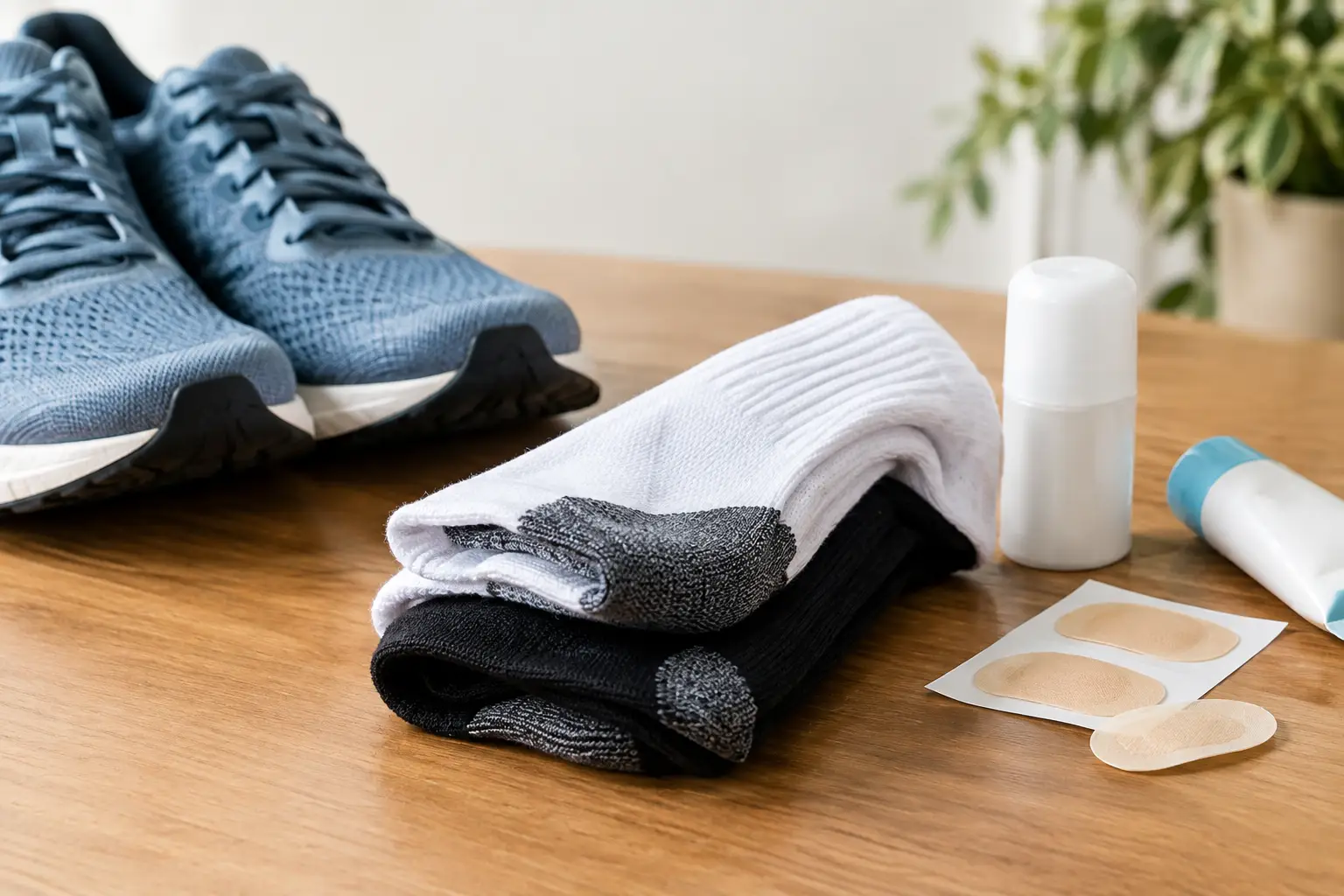
A sock that rubs in the wrong place can turn a promising run, hike or ordinary day on your feet into a painful countdown to home. Learning how to stop sock friction is not just about buying thicker socks. It is about managing the three things that cause hot spots and blisters: movement, moisture and pressure.
The good news is that most sock friction is preventable. A few smart changes to your socks, shoes and pre-activity routine can keep your feet comfortable, whether you are training for a race, tackling wet trails, commuting on foot or heading away on holiday.
Why sock friction happens
Sock friction occurs when your sock moves against your skin, your shoe moves against your sock, or both happen at once. Each step creates a small amount of rubbing. Over hundreds or thousands of steps, that rubbing heats the skin and creates a hot spot. Keep going, particularly when sweat is involved, and the upper layers of skin can separate and form a blister.
The heel, back of the ankle, ball of the foot and toes are common trouble spots because they handle pressure and repeated movement. Runners may notice rubbing under the arch or around the little toe, while hikers often struggle on long descents when feet slide forward inside boots.
It is rarely one single problem. A good-looking sock can still cause friction if your shoes are too loose. A perfectly fitted trainer can still create a blister if your socks are soaked through. Treat your footwear system as a whole.
How to stop sock friction before you move
Start with fit. Your socks should sit smoothly against the foot, without folds around the heel, bunching under the arch or excess fabric at the toes. Socks that are too large tend to crease and slide; socks that are too small can pull tightly, strain at the seams and leave the toes compressed.
Choose the correct size based on the brand’s size guide rather than assuming one size always fits. This matters especially with technical running socks, hiking socks and compression styles. If the heel cup does not sit directly over your heel, the sock is unlikely to stay in place for long.
Your shoes need enough room for your feet to spread naturally, particularly later in a long run or warm-weather walk. They should not allow your heel to lift with each stride. A little heel movement is enough to create repetitive rubbing. Tight shoes create a different issue: they increase pressure on toes, seams and bony areas.
Try footwear on with the socks you will actually wear for the activity. A thick hiking sock changes the fit of a boot. Equally, a very thin sock may leave too much room in a trainer designed around a more padded pair.
Choose socks that manage moisture
Damp skin is softer and more vulnerable to rubbing. Cotton can feel comfortable at the start, but it often holds onto sweat and rain once you are active. For a long run, hike, cycle or gym session, moisture-wicking technical socks are usually the better choice.
Synthetic blends and merino wool blends are popular because they move moisture away from the skin and dry more efficiently. Merino can be particularly useful in changeable conditions, while synthetic performance socks are often light, durable and quick-drying. The best option depends on your activity, the weather and how much you sweat.
Look for a smooth toe construction and targeted cushioning, rather than assuming the thickest sock is best. Extra padding can protect high-pressure areas, but a sock that is too bulky may make your shoes tighter and increase friction elsewhere. The aim is a stable, dry fit.
Match your sock height to your footwear
Low-cut socks and high-collar trainers can be a frustrating combination if the shoe collar catches the skin above the heel. Likewise, ankle socks can slip down inside walking boots and leave the back of the ankle exposed.
Make sure the sock rises beyond the part of the shoe or boot that could rub. If you regularly get blisters on the Achilles area, a tabbed running sock or a crew-height style may offer a simple fix.
Add a friction barrier where you need it
If you already know where rubbing starts, do not wait for a hot spot to appear. Apply an anti-chafe balm directly to clean, dry skin before putting on your socks. It creates a protective layer that helps skin, fabric and footwear glide rather than drag.
This is especially useful for long-distance runs, hikes, endurance events, new footwear and days when rain, heat or sweat are likely. Apply it to the heels, toes, sides of the feet, arches or any other area that has caused trouble before. There is no prize for pushing through the first sting of friction.
Runglide Anti Chafe Balm is designed as portable invisible armour for skin exposed to repeated rubbing, making it easy to add to a kit bag, hiking pack or race-day routine. Reapply if your activity is particularly long, very wet or sweaty, following the product directions.
Tape and blister plasters can also help protect known pressure points, but they work best on clean, dry skin and need to be applied smoothly. A poorly placed plaster can wrinkle and create a new rubbing point. For prevention, a friction barrier is often the more comfortable first line of defence.
Keep feet dry during longer sessions
For a quick gym workout, one well-fitted pair of socks may be all you need. For a long hike, ultra-distance run, multi-day trek or full day of travelling, plan for moisture changes.
Carry a spare pair of socks if conditions are wet, you cross water or you know your feet sweat heavily. Changing into dry socks halfway through can reset comfort dramatically. Take a minute to dry your feet, check for grit or creases, and reapply your anti-chafe protection before putting the fresh pair on.
Do not ignore small debris. A grain of sand, tiny stone or loose thread inside a sock can become surprisingly painful after a few miles. Stop, remove it and smooth the sock back into place. That thirty-second pause can save days of healing.
Fix friction problems by location
The place that hurts tells you a lot about the cause. Heel blisters often point to heel lift, loose socks or a shoe collar that is too rigid. Try adjusting the laces to lock the heel more securely, checking your sock size and using a barrier on the back and sides of the heel.
Blisters on the toes can mean your shoes are too short, too narrow or allowing your foot to slide forward. Trim toenails before longer activities, make sure there is room at the front of the shoe, and consider socks with a smoother toe seam. On steep descents, secure lacing can reduce forward slide.
Rubbing under the ball of the foot may come from damp socks, worn shoe insoles or high mileage in a shoe that no longer supports you properly. Side-of-foot hot spots can be a width issue, especially if your toes feel compressed by the end of a session.
If the problem begins only with one pair of shoes, inspect the inside. Worn lining, a rough insole edge or a damaged heel counter can all cause friction that no sock can fully solve.
Do not break in footwear on the big day
New shoes and boots need testing before an event, a long walk or a holiday with plenty of sightseeing. Wear them for shorter sessions first, with the socks and friction protection you plan to use later. Increase the duration gradually and pay attention to early warning signs.
This applies to socks too. A new style may feel fine for twenty minutes but shift after an hour. Test it under realistic conditions before relying on it for race day or a mountain route.
Keep an eye on the life of your favourite socks. Once elastic weakens, heels wear thin or the fabric no longer stays put, they stop doing the job. Replacing tired pairs is a small upgrade with a big comfort return.
What to do when you feel a hot spot
A hot spot is your cue to act, not to tough it out. Stop when practical, take off your shoe and sock, and inspect the area. Dry the skin, remove any debris and protect the spot before it becomes a blister. If your sock is wet or bunched, change or reposition it.
If a blister has already formed, keep it clean and protected from further rubbing. Avoid deliberately popping it unless you have appropriate medical guidance, as intact skin helps protect against infection. Seek advice from a healthcare professional if you notice spreading redness, warmth, pus, severe pain or if you have diabetes, circulation issues or reduced sensation in your feet.
Your feet carry every mile, workout and everyday errand. Give them the right fit, dry layers and a little friction defence before you head out, and they will be far less likely to hold you back.