

Blog
Best Anti Chafe for Hiking That Lasts

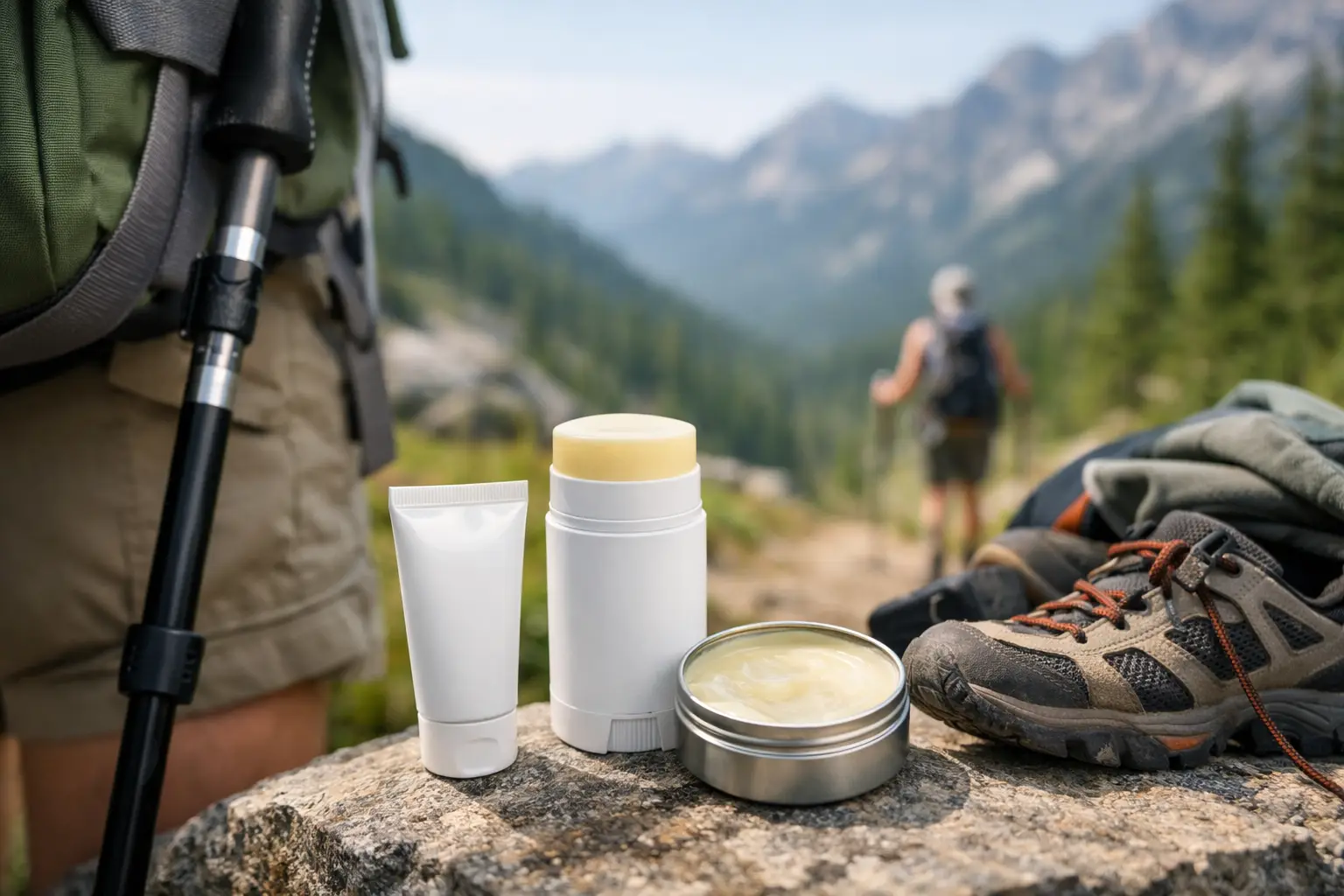
A hill that looks gentle on the map can still leave you walking like a cowboy by mile six. If you are searching for the best anti chafe for hiking, you already know the problem is not dramatic – it is just relentless. A bit of rubbing at the thighs, under a pack strap, around the bra line or between the toes can turn a good day outdoors into a slow grind.
The right anti-chafe product does one job brilliantly. It cuts friction before your skin gets angry. For hikers, that matters more than fancy claims or a long ingredient story. What you want is comfort that lasts through heat, sweat, changing layers and long hours on the move.
What makes the best anti chafe for hiking?
Hiking asks more from an anti-chafe product than a short gym session or a quick run round the block. You are often dealing with repeated movement over several hours, changing weather, sweat build-up and pressure from kit. That means the best anti chafe for hiking needs to stay put, feel light on skin and avoid turning your clothing into a greasy mess.
Staying power is the first test. A balm that feels good for twenty minutes but disappears once you warm up is not much use on a long ascent. Good anti-chafe products create a smooth layer that keeps skin gliding without feeling sticky or overly wet.
Texture matters too. Some people like creams, but creams can feel heavy, especially in hot weather or when you are already sweaty. Powders may help with moisture, but they do not always give enough friction protection for high-rub areas. Balms and sticks are often the most practical choice for hiking because they are targeted, portable and easy to reapply on the trail.
Then there is the ingredient question. Plenty of hikers want something that works hard without relying on petroleum-heavy formulas. That can be especially important if you use anti-chafe protection regularly, not just on occasional hikes. A cleaner-feeling balm with skin-friendly ingredients often wins because it fits into both training and everyday use.
Where hikers actually chafe
Most people think of inner thighs first, and fair enough – that is one of the most common hotspots. But hiking chafing shows up wherever movement, moisture and pressure meet.
Shoulder straps and hip belts can rub when your pack shifts. Sports bras, base layers and waistbands can create persistent friction when damp fabric starts moving against skin. Toes and heels sit on the blister end of the same problem, especially on descents. Even the back of the neck can become irritated if a collar, ponytail or hydration vest keeps brushing the same patch of skin.
This is why one-size-fits-all advice rarely helps. The best anti-chafe product for thighs may also work under pack straps, but you may need to apply it differently depending on the area. Skin folds and high-sweat zones usually need a more generous layer than places where friction is lighter and more occasional.
Balm, cream or powder?
If your main goal is dependable friction protection, a balm usually comes out on top. It is easy to apply exactly where you need it, it travels well in a pack and it tends to last longer than lighter formulas. For hikers doing full-day walks, multi-day trips or warm-weather treks, that consistency is hard to beat.
Creams can work well for people with very sensitive or dry skin, but they often feel less practical on the move. They can also take longer to absorb, which is not ideal when you are getting dressed in a car park and trying to beat the weather.
Powders have their place, especially if moisture control is your biggest issue. But on their own, they may not be enough for repetitive rubbing. If your thighs, bra band or underarms are taking a hammering every step, powder can fade fast.
For most hikers, the winning formula is simple: choose a stick or balm that goes on cleanly, does not feel oily and is easy to carry for top-ups.
How to choose without overthinking it
The quickest way to narrow it down is to focus on performance, not hype. Ask four questions.
First, does it reduce friction straight away? You should feel a smooth barrier on skin, not a tacky film. Second, will it hold up when you sweat? Trail comfort depends on endurance, not first impressions. Third, is it easy to carry and apply? If reapplying feels awkward, you are less likely to do it when it counts. Fourth, does it suit your skin and values? Some hikers want cruelty-free formulas, some avoid petroleum, and some need something gentle enough for regular use.
This is where a targeted anti-chafe balm often makes the most sense. Products built specifically for friction prevention tend to outperform general skincare products pressed into service. Moisturisers can soften skin, but that does not automatically make them good at stopping rub. Hiking comfort comes from reducing drag, not just adding moisture.
How to apply anti-chafe properly on hike day
A good product can only do so much if it goes on too late. The best time to apply anti-chafe balm is before you start feeling any irritation. Once skin is already raw, prevention turns into damage control.
Apply it to clean, dry skin before you set off. Cover the full area that rubs, not just the exact spot that hurt last time. Chafing zones are often wider than you think, especially around the thighs and underarms. If you are wearing a pack, think about where straps and seams will shift once you start climbing.
For longer hikes, bring the product with you. Reapplication is not a failure – it is smart pacing. If the day is hot, your route is hilly or you know you are prone to chafing, topping up halfway through can save the final miles.
Clothing still matters. Even the best balm cannot fully rescue badly fitted shorts or a base layer with rough seams. Think of anti-chafe protection as part of your system, along with socks, layers and pack fit.
Ingredients and trade-offs that matter
There is no perfect formula for every hiker. Some people prioritise maximum staying power above all else. Others want a lighter feel, natural ingredients or a balm they can use every day, not just on the trail.
Petroleum-based products can create a strong barrier, but they may feel heavy or greasy for some users. Lighter balms can feel more comfortable and cleaner on skin, but only if they still hold up under sweat and movement. Fragrance is another trade-off. A scented product may smell pleasant at home, but on a long walk it can become irritating if your skin is already warm and reactive.
If you hike often, it is worth choosing a formula you actually enjoy using. The best anti chafe for hiking is the one you apply consistently before every walk, not the one left in a drawer because it feels messy.
Why hikers often get this wrong
A lot of people wait until spring and summer to think about chafing, but cooler weather does not eliminate friction. Waterproofs, leggings, base layers and heavier packs can all create fresh hotspots. Chafing is not just a warm-weather problem. It is a movement problem.
Another common mistake is treating anti-chafe like an emergency fix instead of routine kit. You would not head out without water or socks that fit properly. Skin protection belongs in the same category. When friction is predictable, prevention should be too.
That is why specialist products stand out. A focused anti-chafe balm such as Runglide is built around one clear job: helping skin handle movement without irritation getting in the way. For hikers, that kind of simplicity is a strength.
The best anti chafe for hiking is the one you trust
On paper, lots of products sound similar. On the trail, the differences show up quickly. The best option feels easy to apply, stays comfortable as the miles build and lets you forget about your skin altogether. That is the real win – not thinking about chafing because it is no longer controlling the day.
If you know your problem areas and choose a formula designed for friction, you give yourself a much better shot at finishing strong. Hiking already asks plenty from your legs, lungs and mindset. Your skin does not need to be another obstacle.
Comfort is not cheating. It is what keeps you moving when the path gets steeper, the weather turns and the walk stretches longer than planned. Give your skin a fair chance, and the rest of you can get on with the adventure.