

Blog
Chafing From Leggings: Why It Happens and Fixes

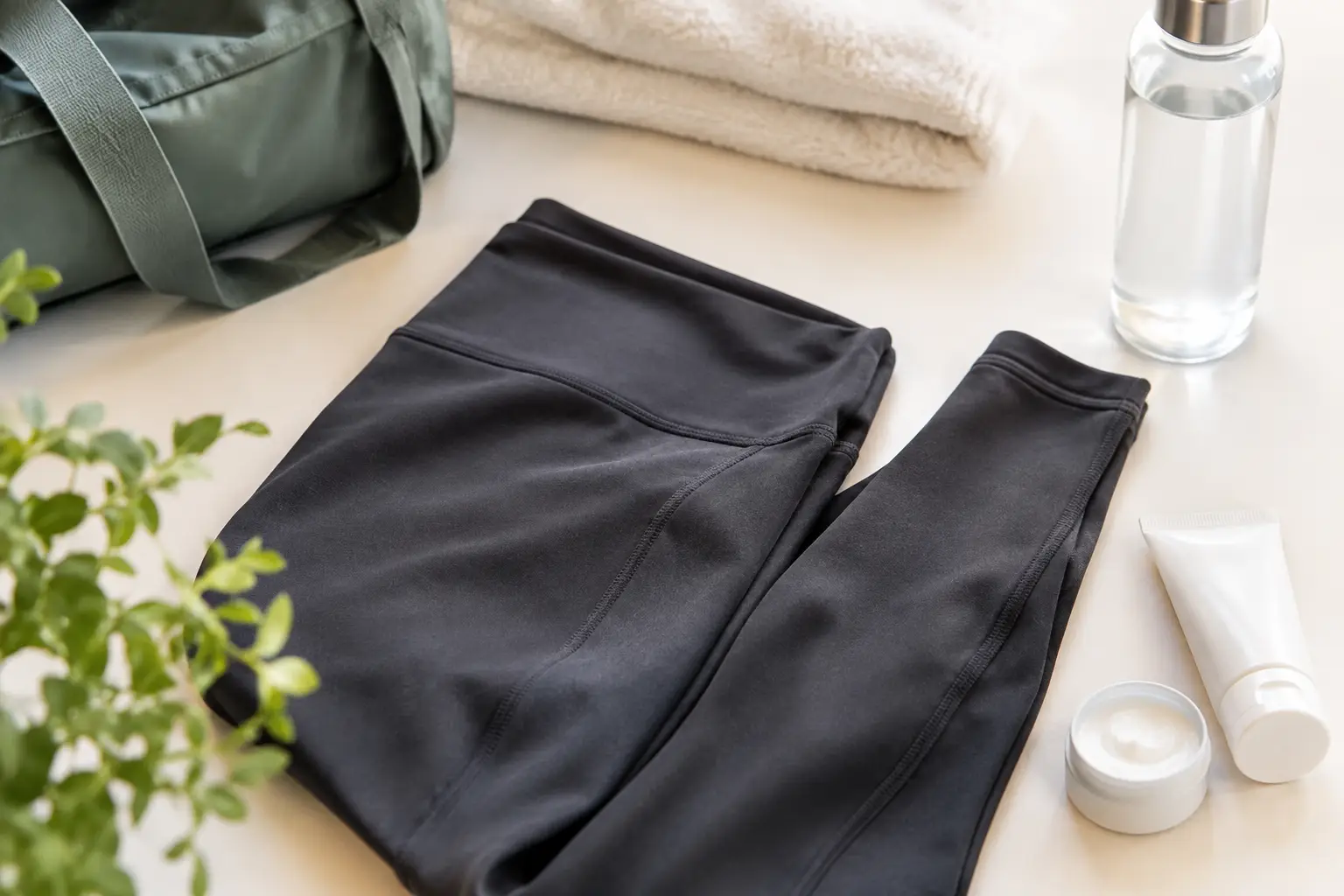
That burning, rubbing feeling halfway through a run is not something you should have to push through. Chafing from leggings can turn an easy walk, a long gym session or a race-day effort into an uncomfortable battle with your own kit. The good news is that it is usually preventable – once you know what is creating the friction.
Leggings are often chosen for comfort, coverage and freedom of movement. But even a pair that feels great when you first put it on can start rubbing as your body warms up, sweat builds and fabric shifts. A few practical changes can make a noticeable difference.
Why chafing from leggings happens
Chafing is skin irritation caused by repeated friction. With leggings, that friction may be fabric rubbing against skin, seams pressing into the same area, or damp material moving as you walk, run, squat or cycle. Heat and moisture make the skin softer and more vulnerable, so a small point of rubbing can become sore quickly.
The inner thighs are a familiar trouble spot, especially during running, hiking and warm-weather walking. But chafing can also occur at the groin, around the waistband, beneath the bum, behind the knees or where a sports bra and high-waisted leggings overlap. Everyone’s movement pattern is different, so the area that needs protection is personal.
Fit is often the deciding factor. Leggings that are too loose can bunch and slide. Those that are too tight can pull at seams, dig into the waist or create tension in one small area. The right pair should feel close-fitting without restricting your stride, squat or breath.
Fabric matters too. Lightweight, technical materials can be excellent for moving sweat away from the skin, but no fabric is completely friction-proof. A smooth material may still rub when it is saturated, while a rougher seam or decorative panel can cause a problem long before the rest of the garment feels damp.
The small kit details that cause big problems
If irritation appears in the same place every time, inspect your leggings rather than assuming it is simply part of exercise. Turn them inside out and look for raised seams, worn stitching, rough labels, bobbling fabric or a gusset that has lost its shape. Older leggings can become less supportive and less smooth after repeated washes.
Wash residue can also make skin feel more sensitive. If you have recently changed detergent or fabric conditioner and irritation is appearing beyond your usual friction points, consider whether your skin is reacting to the product rather than the leggings alone. For performance kit, using too much softener can also affect how technical fibres handle sweat.
Layering deserves attention. Underwear beneath leggings can add another edge, seam and source of movement. For some people, well-fitting moisture-wicking underwear helps. For others, it creates exactly the crease that rubs. Test options on a short session before trusting them for a long run or full-day hike.
Prevent chafing before you start moving
The most reliable approach is prevention, not waiting until you feel the first sting. Before a longer session, apply a purpose-made anti-chafe balm to the areas that usually rub. Think of it as invisible armour: a protective barrier that helps skin and fabric glide rather than drag.
Apply it to clean, dry skin, using enough to cover the friction zone without leaving a heavy layer that could transfer onto clothing. For inner-thigh chafing, cover the full area where your thighs meet during your natural stride, not just the point that was sore last time. If your waistband rubs, apply it where the edge sits or tends to roll.
Runglide RG Anti Chafe Balm is designed for exactly this pre-activity routine. Its portable stick format makes it easy to use before a run, hike, cycle, gym session or a long day on your feet, without turning preparation into another job.
It is also worth matching your leggings to the session. For a gentle walk, almost any comfortable pair may work. For a humid half marathon, long hike or high-rep gym workout, choose leggings you have already tested under similar conditions. New kit is best trialled close to home, where you can stop and change if a seam starts to rub.
For high-sweat days, bring your essentials. A spare pair of leggings, clean underwear and a small anti-chafe stick can rescue a day outdoors or a weekend away. It may feel like over-preparation until you need it.
What to do when leggings have already caused chafing
Stop the friction as soon as you can. Continuing to run or walk through a hot, tender patch can turn mild redness into broken skin, and that takes longer to settle. Change out of damp leggings, rinse sweat away with lukewarm water and pat the area dry rather than rubbing it with a towel.
Give the skin room to recover. Loose, breathable clothing is usually more comfortable than tight waistbands or compressive layers while the area is tender. Avoid exfoliating products, fragranced body lotions and very hot showers on irritated skin, as they can sting and prolong discomfort.
You do not necessarily need to stop all activity. It depends on the severity. If the skin is mildly pink and intact, a low-friction activity such as an easy walk may be fine once it feels comfortable. If it is raw, cracked, bleeding or painful with ordinary movement, take a proper break from the activity and clothing that caused it. Protecting the area now can prevent a longer interruption later.
Seek advice from a pharmacist or healthcare professional if the skin becomes increasingly painful, warm, swollen, weepy or shows signs of infection. Get support sooner if you have diabetes, reduced circulation or a skin condition that affects healing. Chafing is common, but persistent or worsening irritation should not be ignored.
Find the legging fit that works for your body
There is no single best style for preventing chafing. Seamless leggings can reduce obvious seam pressure, but some have a close, grippy knit that is not ideal for every body or activity. Flatlock seams can be comfortable and durable, provided they sit away from your main friction zones. Compression styles may stay put brilliantly for one runner and feel restrictive for another.
Focus less on the label and more on how the leggings behave in motion. Before removing the tags, walk briskly, do a few lunges, climb stairs and sit down. Check whether the fabric folds at the inner thigh, whether the waistband rolls, and whether the crotch feels pulled in your usual movement range.
Length can change the result too. Full-length leggings offer coverage but can trap extra heat in warm weather. Shorts or cropped styles may feel cooler, yet create a new hemline that rubs. The best choice is the one that stays smooth and dry enough for the distance, temperature and activity ahead.
Build a routine that keeps you moving
Chafing does not mean you are wearing the wrong body for leggings, or that you need to avoid the activities you enjoy. It means friction has found a weak point in the combination of skin, fabric, sweat and movement. Adjust one factor at a time: fit, fabric, underwear, pre-activity protection or the conditions in which you train.
Keep track of what works on your longer sessions. The pair of leggings that carries you comfortably through a wet Sunday run might be different from the pair you reach for on holiday walks or strength days. That knowledge is part of training well.
Comfort is not a luxury reserved for short sessions. Protect your skin, choose kit that earns its place in your drawer, and keep moving with the confidence to go further.